
Last updated November 15, 2026
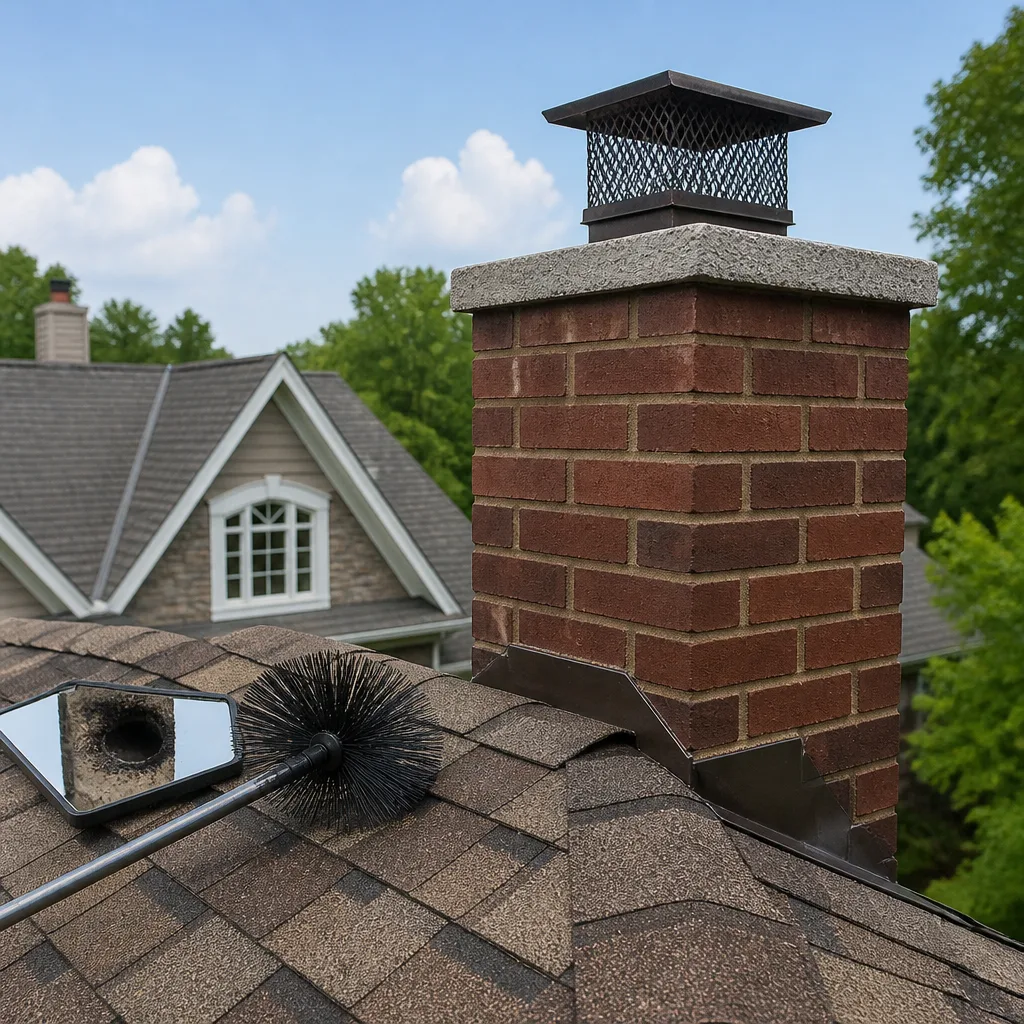 Sweep & inspection
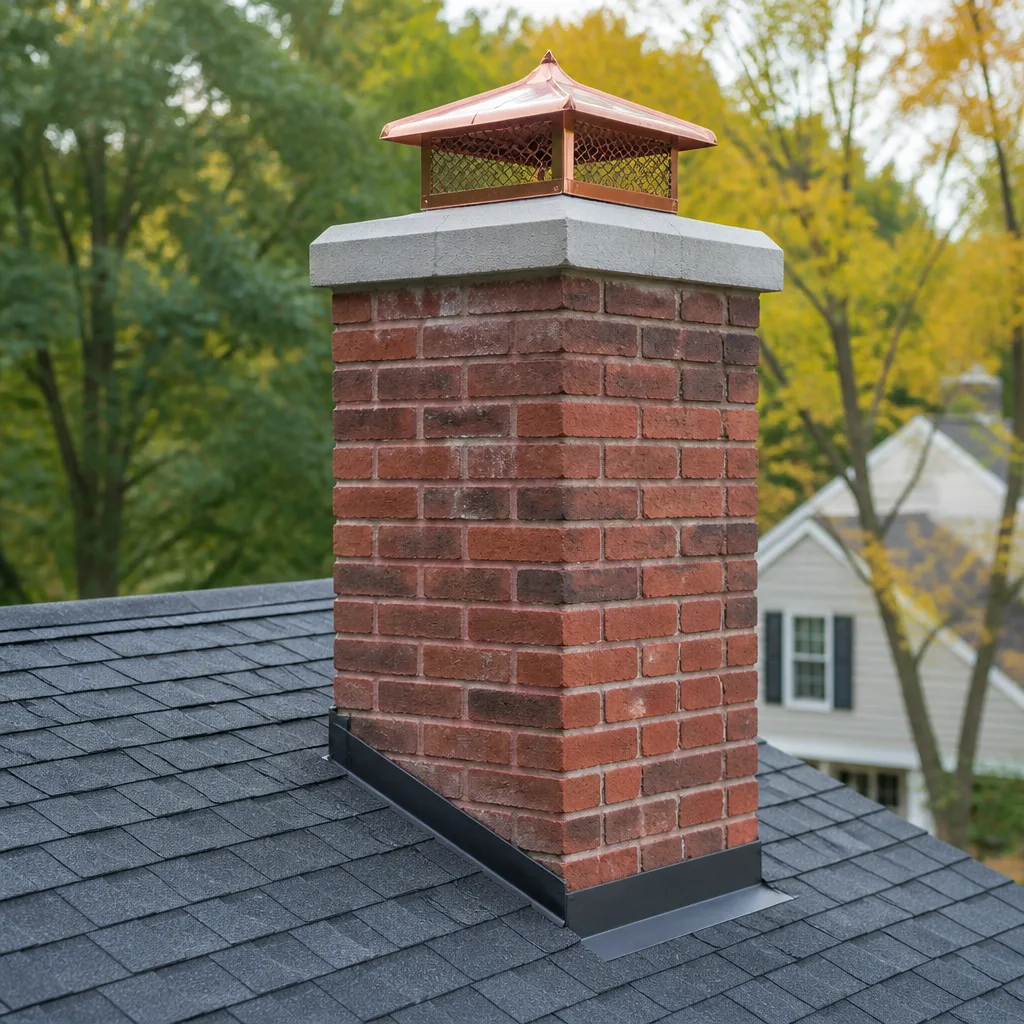 Caps & crowns
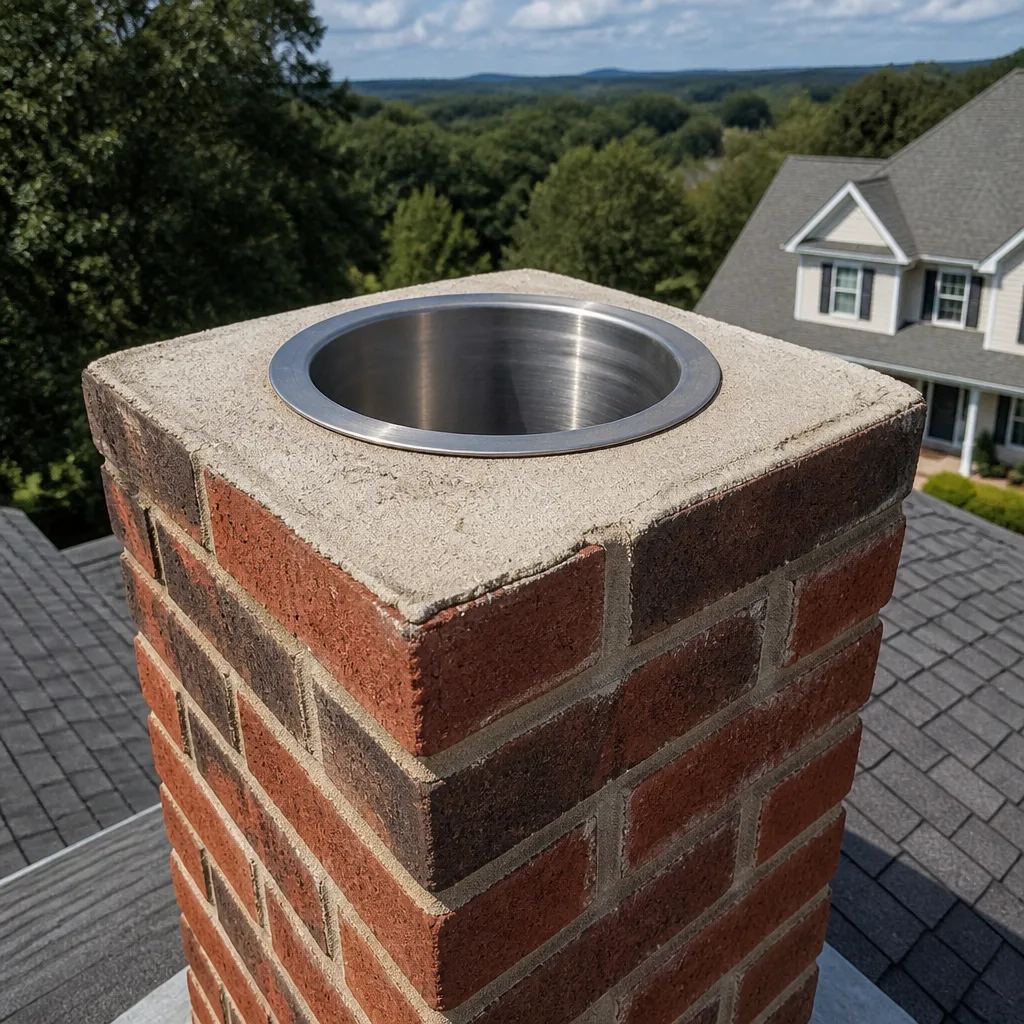 Flue relining
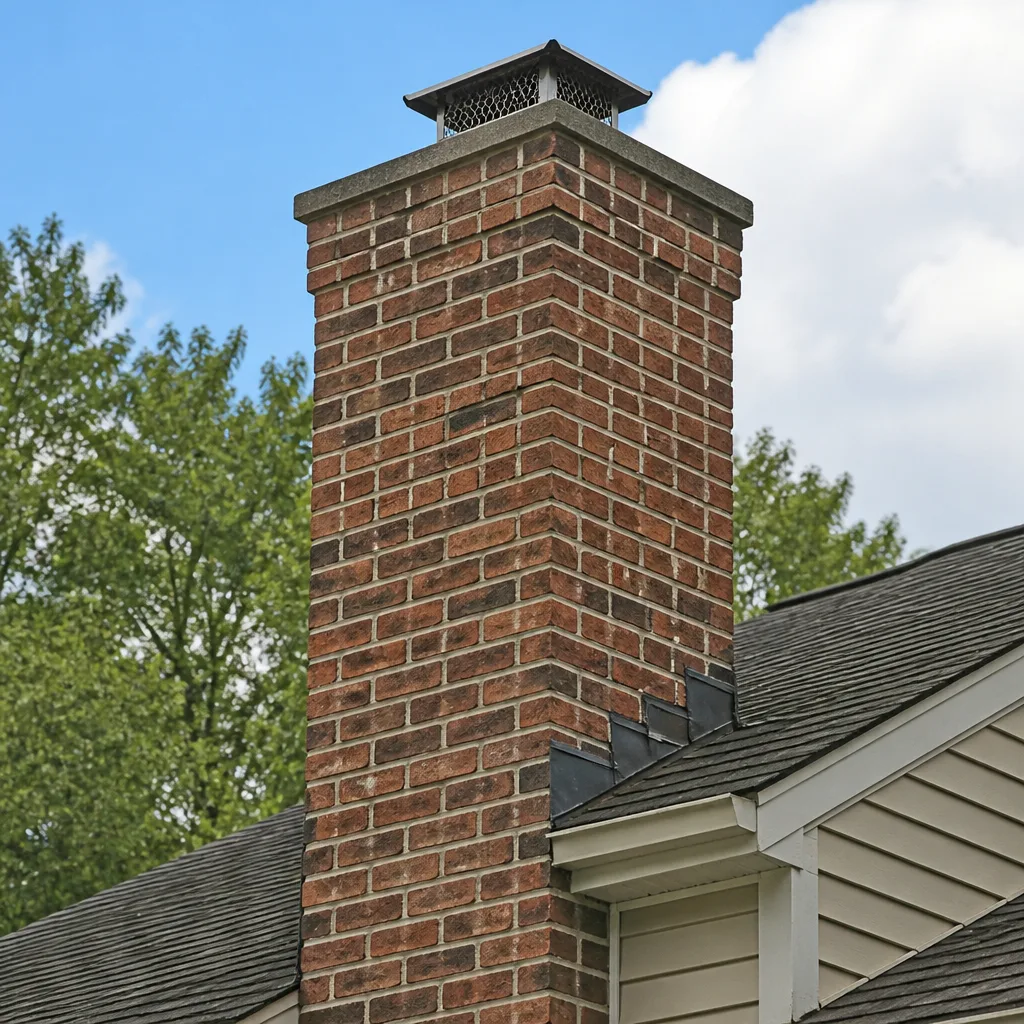 Masonry repair
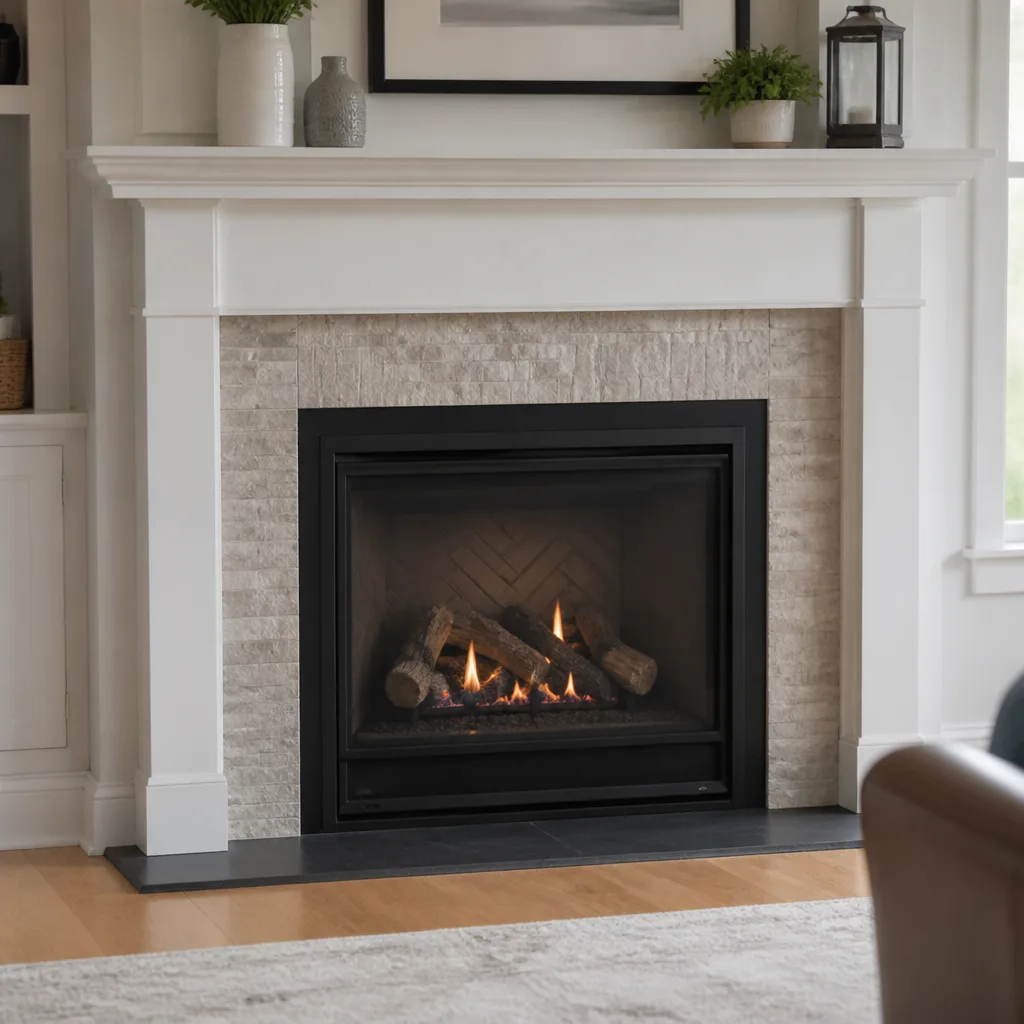 Gas fireplace service
Level 1 sweep and inspection to the NFPA 211 annual standard - flue, crown, cap, and flashing checked and photographed
Chimney sweep logs do not sweep chimneys. They loosen some creosote - which then falls where a brush and vacuum still have to collect it.
Chimney Cleaning Warning Signs: A Peoria Homeowner’s Reference Guide
A white stain creeping down the outside of a chimney isn’t a cleaning problem. It’s efflorescence, and it means water is moving through the masonry from the inside out. Washing it off just removes the evidence while the actual water pathway keeps eating the mortar joints behind it. That gap between what a symptom looks like and what it actually tells you is where most chimney problems in Peoria get missed or misread for a season too long. This guide maps each observable sign to its likely cause, tells you how to separate cosmetic wear from structural alarms, and gives you a clear escalation path so you know what to book now, what can wait, and what means stop using the fireplace today.
Quick Answer
The main chimney cleaning warning signs in Peoria are white or black staining, smoke backing into the room, a strong odor with no fire burning, rust on the damper, ticking or dripping sounds, and crumbling mortar or a cracked crown. Each one points to a specific cause, from creosote buildup to water intrusion to a failing flue liner, and the right next step depends on which symptom you’re seeing. Some mean book a sweep this season; a few mean stop using the fireplace until it’s inspected.
Styles & brands we work with
- Sweep & inspection
- Caps & crowns
- Flue relining
- Masonry repair
- Gas fireplace service
Table of Contents
- Symptom-to-Cause: What Each Warning Sign Actually Tells You
- Cosmetic vs. Structural: How to Tell the Difference
- The Sounds Your Chimney Makes and What They Point To
- Why Some Warning Signs Only Show Up in Monsoon Season
- Creosote: The Warning Sign You Can’t Always See
- The Escalation Guide: Book Now, Book Soon, or Stop Using It
- What Peoria’s Climate and Homes Do to Chimneys
- What a Proper Inspection Actually Checks
Symptom-to-Cause: What Each Warning Sign Actually Tells You
Homeowners tend to read chimney symptoms in isolation. A stain is a stain, a smell is a smell. The useful way to read them is as a set of signals pointing back to one of four systems: the flue, the firebox, the crown, or the waterproofing. Once you learn which system each sign belongs to, the next step stops being a guess.
Here’s the reference most people never get from a basic cleaning:
- White, chalky staining on exterior masonry: efflorescence. Water is passing through the brick or mortar and depositing salts on the surface as it evaporates. The cause is almost always above the stain: a cracked crown, failed flashing, or open mortar joints letting rain in.
- Black staining around the firebox opening: smoke spillage or draft reversal. It usually means the firebox-to-flue transition is restricted, the damper isn’t opening fully, or the flue is partly blocked with creosote. Sometimes it’s the smoke chamber itself, which is the tapered section above the damper that many sweeps skip.
- Smoke rolling into the room: a draft or blockage problem. It can be as simple as a cold flue on a mild morning or as serious as a nest, a collapsed tile, or a flue sized wrong for the appliance. Don’t keep burning to “see if it clears.”
- Strong odor with no fire burning: creosote or soot smell reacting to warm, humid air, or moisture in the flue. It’s the chimney telling you there’s fuel residue sitting in it and the air around it has changed.
- Rust on the damper or firebox metal: water is getting in and staying in. Metal doesn’t rust in a dry chimney. This sign pairs with white exterior staining more often than not.
Each of these is a data point, not a verdict. Two or three together tell a much clearer story, which is why a real inspection reads the whole system instead of chasing one stain. If you’re seeing more than one of these, it’s time for a chimney sweep and an honest look at the flue and crown, not a wipe-down and a wait-and-see.
Cosmetic vs. Structural: How to Tell the Difference
The single most expensive mistake in chimney care is treating a structural problem like a cosmetic one. The reverse is also true: paying for major repair on something that only needed cleaning erodes trust fast, and it’s why so many homeowners hesitate to call anyone. Here’s how to draw the line yourself before you pick up the phone.
Signs that are usually cosmetic
- Surface soot or dust on the firebox face, easily wiped
- Light, isolated staining with no soft or crumbling masonry underneath
- Minor spalling (small flakes of brick face coming off) on a chimney with intact mortar joints and a solid crown
- Faded or discolored paint or sealant
Signs that point to structure
- A cracked or crumbling crown. The crown is the concrete cap on top of the chimney that sheds water. Once it cracks, every rain event feeds the masonry below. This is a repair, not a cleaning.
- Deteriorating smoke chamber. The sloped section above the damper is where turbulence and creosote collect. Rough, crumbling parging there is a fire risk and a draft problem at once.
- A failing flue liner. Cracked clay tiles or a corroded metal liner let heat and carbon monoxide reach the structure. This is the one that moves fastest from “warning sign” to “hazard.”
- Efflorescence paired with soft mortar. White staining alone can be cleaned up; white staining on joints you can gouge with a screwdriver means the masonry is already compromised.
One practical test: press a screwdriver into the mortar joint between bricks. If it crumbles easily, water has been working there a while. If it resists, the surface staining is likely the worst of it. That single check will save you from either overpaying or underreacting, and it’s the kind of visible evidence a proper inspection should show you before recommending repair. When structural repair is needed, it’s handled as chimney repair, and it belongs with the same company that found the problem, not deferred to a second vendor.
The Sounds Your Chimney Makes and What They Point To
Chimneys are quiet most of the year, which is why homeowners notice when they aren’t. The sounds a chimney makes fall into three categories, and each points to something specific. None of them should be tuned out.
Ticking during heating and cooling
A tick, pop, or soft crackle from the upper chimney as the day warms or cools is usually metal expanding and contracting. On a chimney with a metal liner or cap, that’s often benign. When the ticking comes from inside the firebox or the masonry itself, it can indicate spalling brick shifting or a flue tile that’s loosened from its joints. If the ticking is new this season, get it looked at; if it’s been there as long as you’ve owned the house, mention it at your next sweep so it can be evaluated in context.
Dripping or a faint trickle after rain
Dripping inside the firebox after a rainstorm points to water getting past the crown, the flashing, or the cap. The chimney is designed to shed water at the top; when it leaks, the water lands where you can hear it. That’s a waterproofing and crown problem, and it’s the same root cause behind most white exterior staining. A Chimney Sweep Peoria inspection traces where the water is entering rather than guessing.
Animal noise (scratching, flapping, chattering)
Scratching, flapping, or chattering from the flue signals birds, squirrels, or other animals in the chimney. An uncapped chimney is the usual reason. Beyond the obvious nuisance, an animal nest blocks draft and adds fuel load right where creosote already collects. A proper cap (Gelco chimney caps are one of the options we install) closes the door at the top. If you hear an animal now, don’t light a fire until it’s been cleared and inspected.
If you’re not sure which category a sound belongs to, note when it happens. Rain-triggered means water. Heat-cycle means masonry or metal movement. Any time of day means animals or structural settling. That note will help any technician diagnose faster.
Why Some Warning Signs Only Show Up in Monsoon Season
Peoria’s monsoon season runs roughly from June into September, and it brings the kind of wind-driven rain that a light winter drizzle never produces. This timing matters because it reveals exactly what a chimney’s waterproofing and crown are doing. A chimney can look fine for eight months and then announce every weak point in a single storm.
Here’s what monsoon rain exposes:
- A failing crown. Horizontal, driven rain pushes under a hairline crack that a straight-down shower would miss. The result is efflorescence blooming on the exterior or water appearing in the firebox right after a storm.
- Compromised flashing. Where the chimney meets the roofline, the flashing seals the joint. Monsoon winds drive water sideways into that joint. If moisture shows up at the ceiling near the chimney, the flashing is the first suspect.
- Open masonry joints. Wind-driven rain finds every gap in the mortar. Soft, white-streaked joints after a storm point to masonry that needs repointing.
- An uncapped flue. Without a cap, monsoon rain drops straight down the flue onto the damper and firebox metal, which is why rust on the damper so often shows up in late summer.
The seasonal pattern is diagnostic. If your chimney only misbehaves from June through September, the problem is waterproofing at the top of the system, not creosote at the bottom. If it misbehaves all year, look at the flue and draft. Reading that pattern correctly before your first call saves a lot of wasted diagnostics and gets a Peoria home treated for the right problem the first time.
Creosote: The Warning Sign You Can’t Always See
Not every warning sign announces itself. Creosote is the residue that forms when wood smoke cools and condenses on the flue walls, and it comes in three stages that behave very differently in a fire. You can’t reliably see the dangerous amount from the firebox, and you can’t smell the difference between the safe stage and the serious one. This is the sign that most needs a professional eye.
- Stage 1 – soot and light flake. Fine, dusty, black or gray. Sweeps remove it easily. It’s the normal byproduct of regular burning.
- Stage 2 – crusty residue. Harder, flakier, sometimes shiny. It builds up in layers and reduces draft. It’s a fire risk that grows with each additional load of wood.
- Stage 3 – glazed creosote. Hard, glassy, and stubborn. It ignites at a lower temperature and burns very hot. It’s the stage most associated with chimney fires, and it usually needs more than a standard sweep to remove.
The reason this matters for the odor-without-fire warning sign is simple: a strong creosote smell on a warm day tells you there’s residue on the flue walls reacting to humid air. It doesn’t tell you how much or what stage. That’s why “it smells a little when it’s humid” deserves the same attention as a visible stain.
How often should it be swept?
The general rule is an annual inspection, with sweeping whenever the buildup reaches a meaningful threshold or roughly every cord of wood burned, whichever comes first. A home that burns most evenings through the winter will need more than a home that lights a few fires a season. If you’re unsure, that’s exactly what an inspection settles: it measures, then it tells you.
Because Chimney Sweep Peoria handles sweeping and repair under one contractor, a sweep that turns up glazed creosote or a damaged flue tile doesn’t get handed off to a second company. The same team that found it addresses it, using professional-grade materials chosen by name, including DuraFlex liner systems when a liner replacement is the right call and Olympia Chimney components for flue and cap work.
The Escalation Guide: Book Now, Book Soon, or Stop Using It
The most useful thing this guide can give you is a triage. Not every warning sign is an emergency, and treating them all as one makes homeowners tune out the ones that actually matter. Here’s how to sort what you’re seeing.
Stop using the fireplace until it’s inspected
- Smoke rolling into the room and not clearing
- A smell of burning that doesn’t match the fire, or a roaring, popping sound from the flue
- Visible glazed or heavy crusty creosote in the flue
- Any animal nesting in the chimney, or a blocked flue
- Cracked or missing flue tiles, or a damaged metal liner
These all point to pathways where fire or carbon monoxide can escape the flue. A trained professional needs to see the system before you burn again. This isn’t a wait-and-see list.
Book within the season (before your next fire)
- White efflorescence with soft, crumbling mortar
- Rust on the damper or firebox metal
- Dripping inside the firebox after rain
- A cracked or visibly damaged crown
- Black staining around the firebox opening that repeats
These are real problems but they allow scheduling. Book the inspection before you light the first fire of the season, so any repair can be done before cooler weather sets in.
Book before next season (can safely wait)
- Surface soot with no structural signs
- Light staining with solid, firm mortar joints
- A strong smell only in the hottest, most humid days with no other symptoms
- Cosmetic discoloration
These need attention at your next scheduled sweep, but they don’t require action today. Being told honestly that work can wait is part of a good inspection; if a company can’t tell you what can safely wait, that’s your cue to get a second opinion.
What Peoria’s Climate and Homes Do to Chimneys
The desert valley gives chimneys a specific set of stressors that a guide written for a cold, wet climate would miss entirely. Understanding them makes your own visual checks sharper and explains why certain warning signs show up here in a certain order.
First, the temperature swings. Days can be hot while nights drop sharply, and that daily expansion and contraction works on masonry and metal joints over years. Repeated movement is why hairline cracks tend to appear first at the crown and along mortar joints, and why the ticking sound from a chimney isn’t always imaginary. Second, the dry climate means masonry spends most of the year giving up moisture, but monsoon season reverses that. The walls that were dry for eight months suddenly absorb rain, which is why efflorescence can appear almost overnight after the first storm of the season.
Third, home design affects draft. Open flues and certain firebox-to-flue proportions can struggle in the valley’s shoulder seasons, when the outside air is close in temperature to the firebox. That’s the origin of the “smoke came back in the room on a mild morning” warning sign, and it’s often a sizing or draft issue rather than a blockage.
Finally, the housing itself varies enough that no single recommendation fits every chimney in Peoria. An older masonry chimney, a home with a metal-lined flue, and a house with a gas insert or wood stove all produce different symptoms and demand different service. That’s why the right sequence is inspection first, then a recommendation grounded in what the inspection actually found. A chimney repair plan built on guesswork is a plan you’ll pay for twice.
What a Proper Inspection Actually Checks
An inspection isn’t a look up the flue and a thumbs-up. A thorough one works through each of the four systems this guide has been mapping, and it should hand you visible evidence for anything it recommends. Here’s the sequence a proper inspection follows.
- Exterior and crown. Check the crown for cracks, the masonry for efflorescence or soft joints, the flashing at the roofline, and the cap for damage.
- The firebox and smoke chamber. Examine the firebox for cracks and the smoke chamber for rough or crumbling parging. HeatShield chimney resurfacing is one option when the chamber needs restoration, because it restores a smooth, heat-resistant surface rather than leaving rough work behind.
- The flue. Look for cracked clay tiles, gaps at the joints, or corrosion and seams on a metal liner. This is where a failing liner shows up before it becomes a carbon monoxide pathway.
- The damper and appliance connection. Check that the damper opens fully and closes cleanly, that there’s no rust, and that any insert or stove is connected properly with the right venting. Famco venting products and Copperfield specialty parts are among the components used when that connection needs redoing.
- A sweep to measure and clear. Once the system is evaluated, the flue gets swept and the creosote stage and amount are recorded, so the recommendation is based on measured evidence, not an estimate.
You should ask for a photo report with anything that gets recommended. If a technician tells you the liner must be replaced, you should be able to see the cracked tile in the photo, and to see that the work is at the stage the report claims. That visible evidence is what separates a real diagnosis from a sales pitch, and it’s the fairest way to be told work is needed.
Common Mistakes to Avoid
- Washing off efflorescence and calling it fixed. White staining is a symptom, and scrubbing it removes the evidence while the water pathway keeps eroding mortar. The crown and flashing need to be checked before you clean anything.
- Burning to “test” whether smoke clears. A draft problem can push smoke and carbon monoxide into the room rather than out, so a test fire is the wrong move. If smoke rolled in once, stop and schedule an inspection.
- Assuming black staining is just soot. Black staining around the firebox usually signals draft or a blockage problem, not a cleaning problem. The fix is a sweep and an evaluation of the smoke chamber and flue, not a wipe-down.
- Skipping the inspection because the sweep “looked clean.” A sweep clears the flue; an inspection evaluates the crown, liner, chamber, and damper. They’re different jobs, and a clean-looking flue can still hide a failing liner.
- Going uncapped through monsoon season. In Peoria, an open flue means wind-driven rain lands on the damper and firebox metal, which is why rust shows up in late summer. A properly fitted cap prevents the whole problem.
- Having a generalist handle a specialized problem. A handyman can sweep, but a cracked crown, failing liner, or degraded smoke chamber needs a chimney specialist with the right materials. Otherwise the repair gets done twice.
- Treating spring warmth as a reason to wait. Booking the inspection and any repair before the heating season means the work is done before you need the fireplace, not during the first cold snap.
See the difference
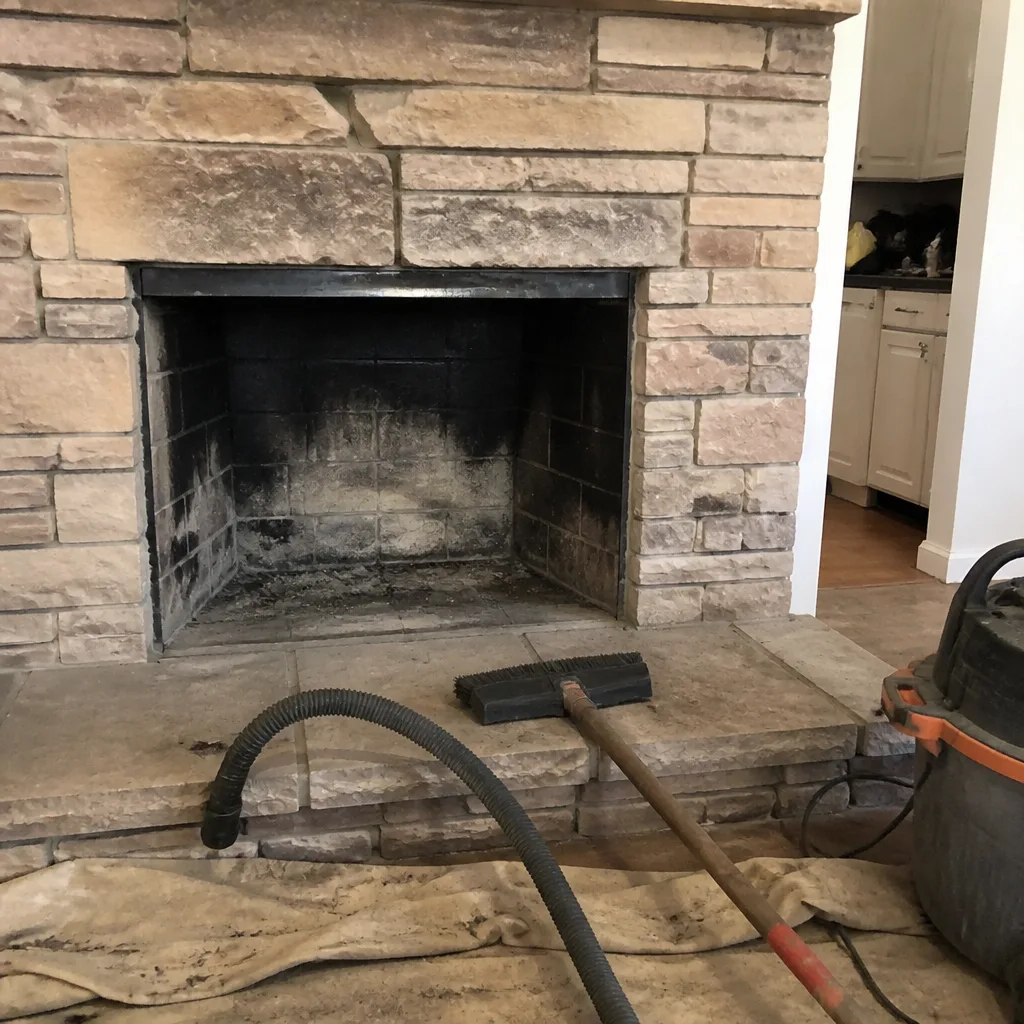 Before
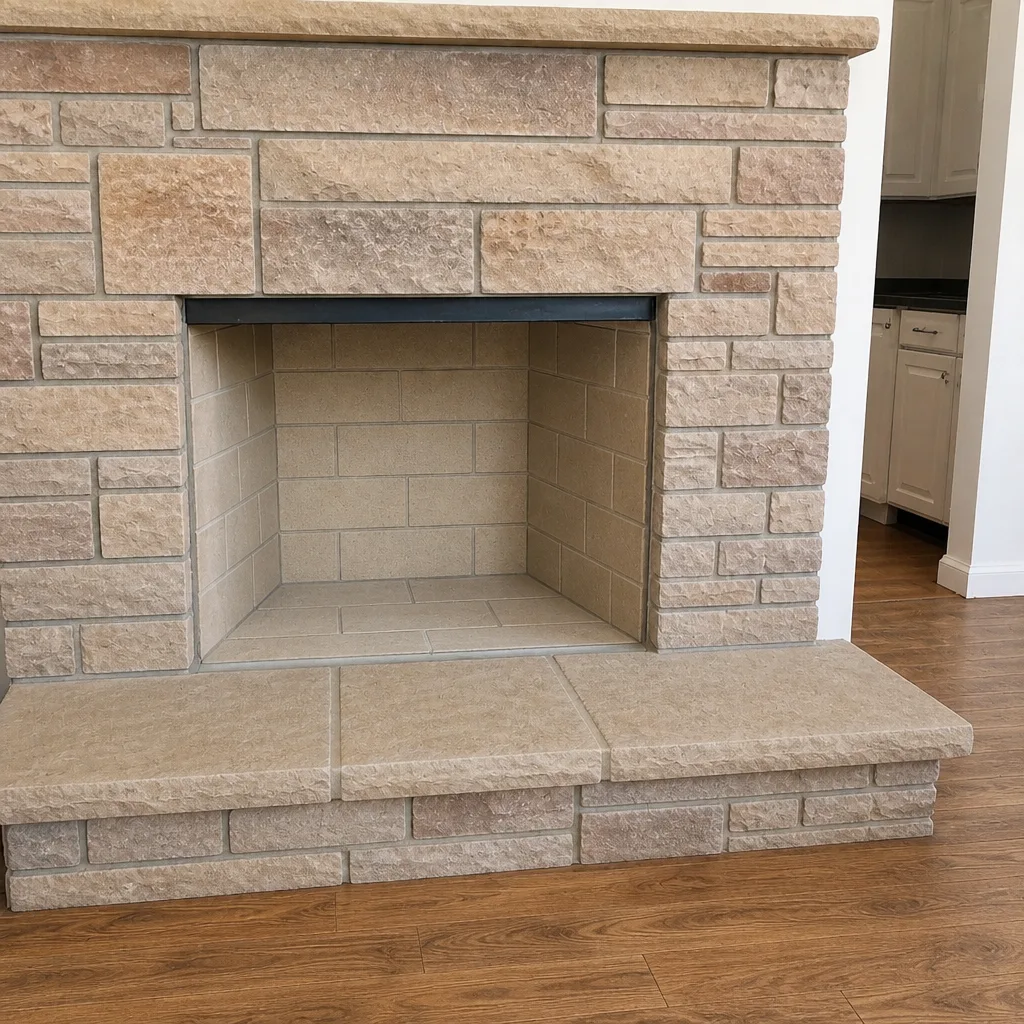 After
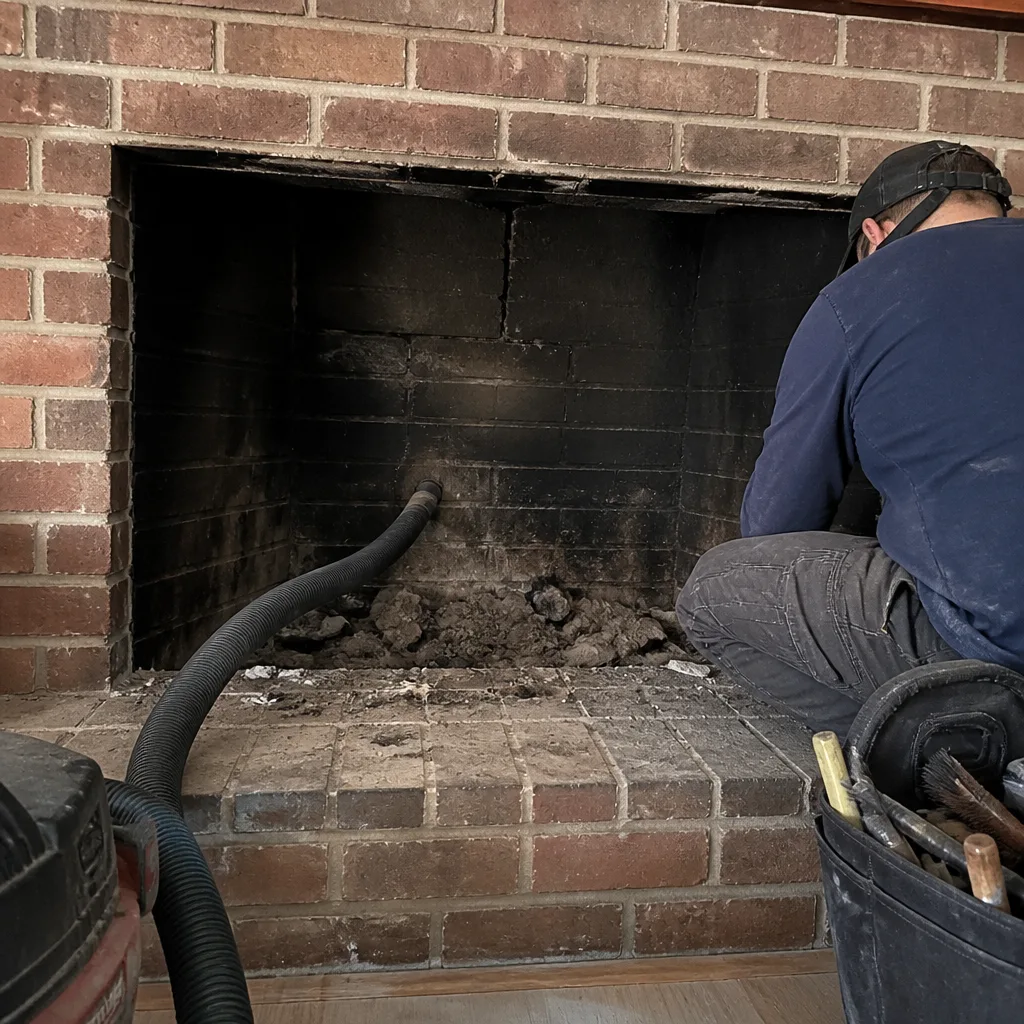 Before
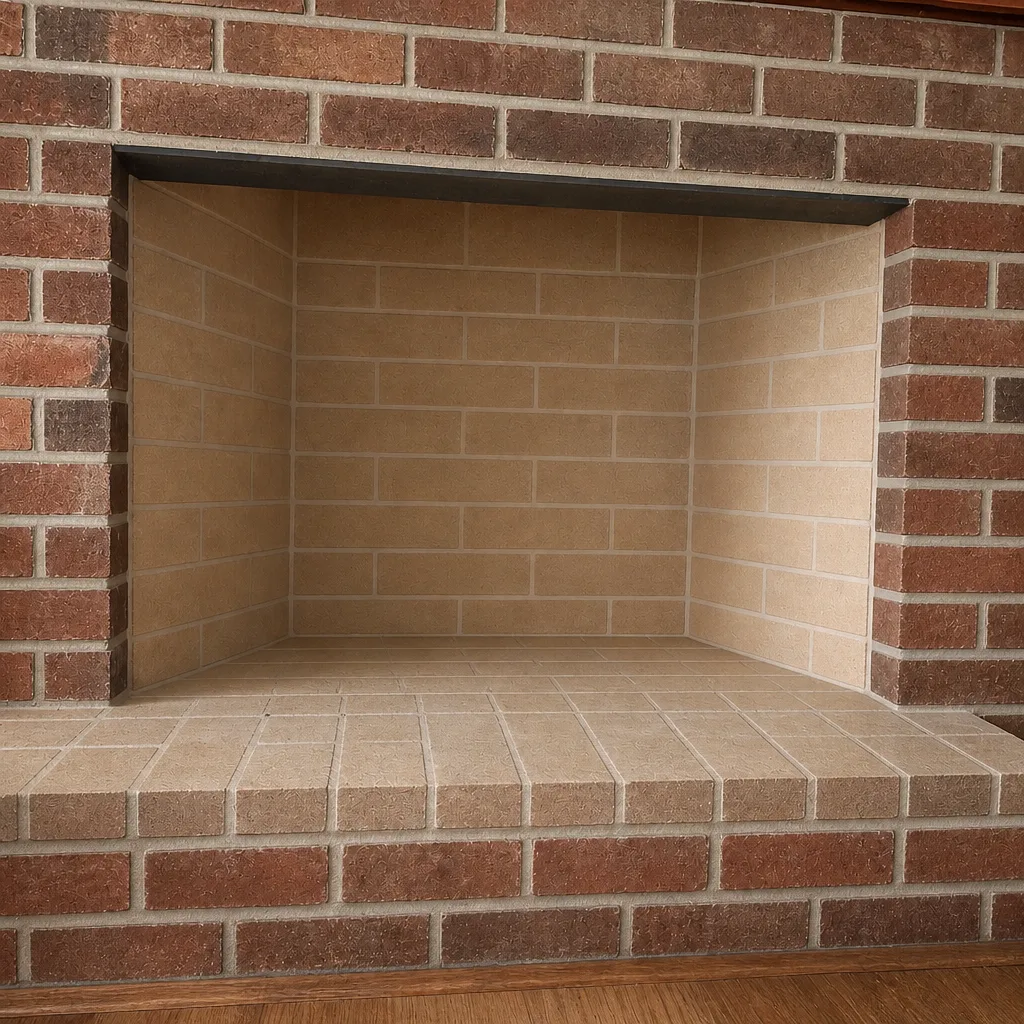 After
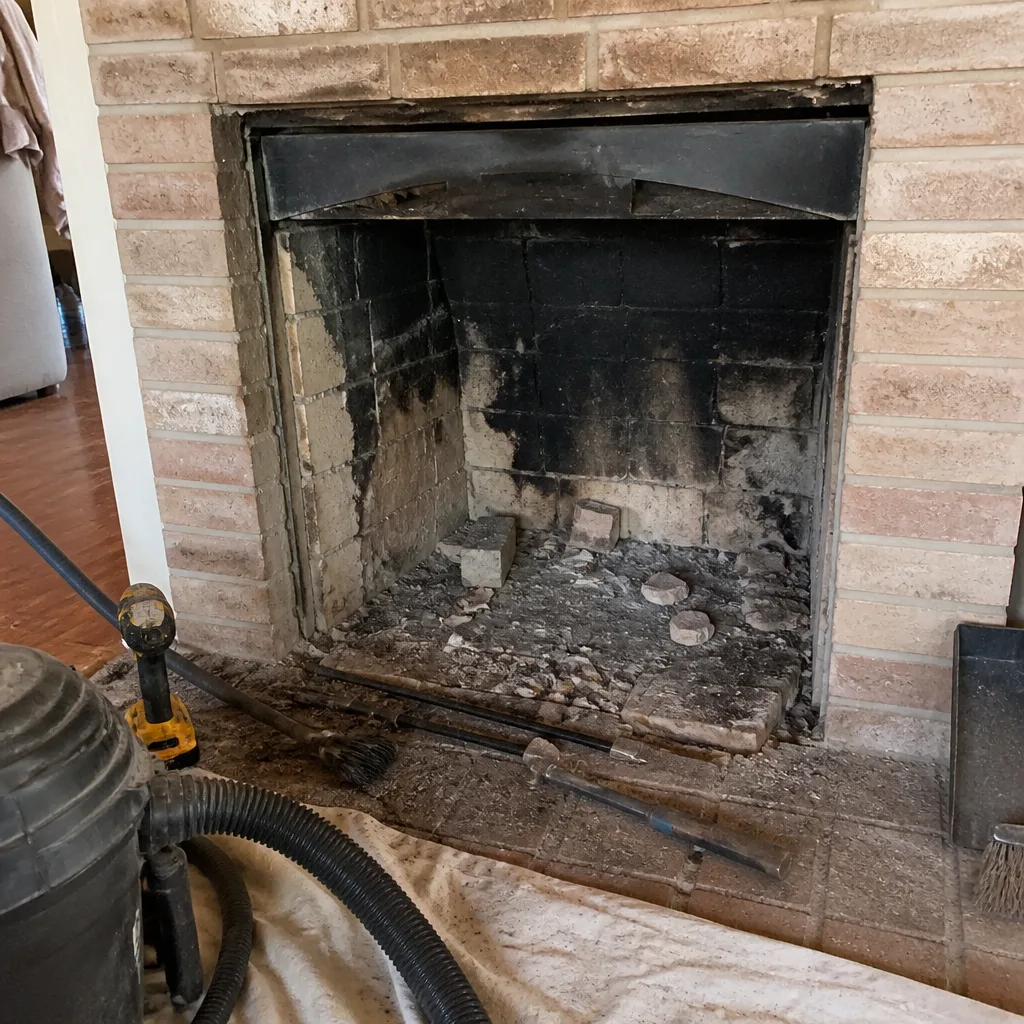 Before
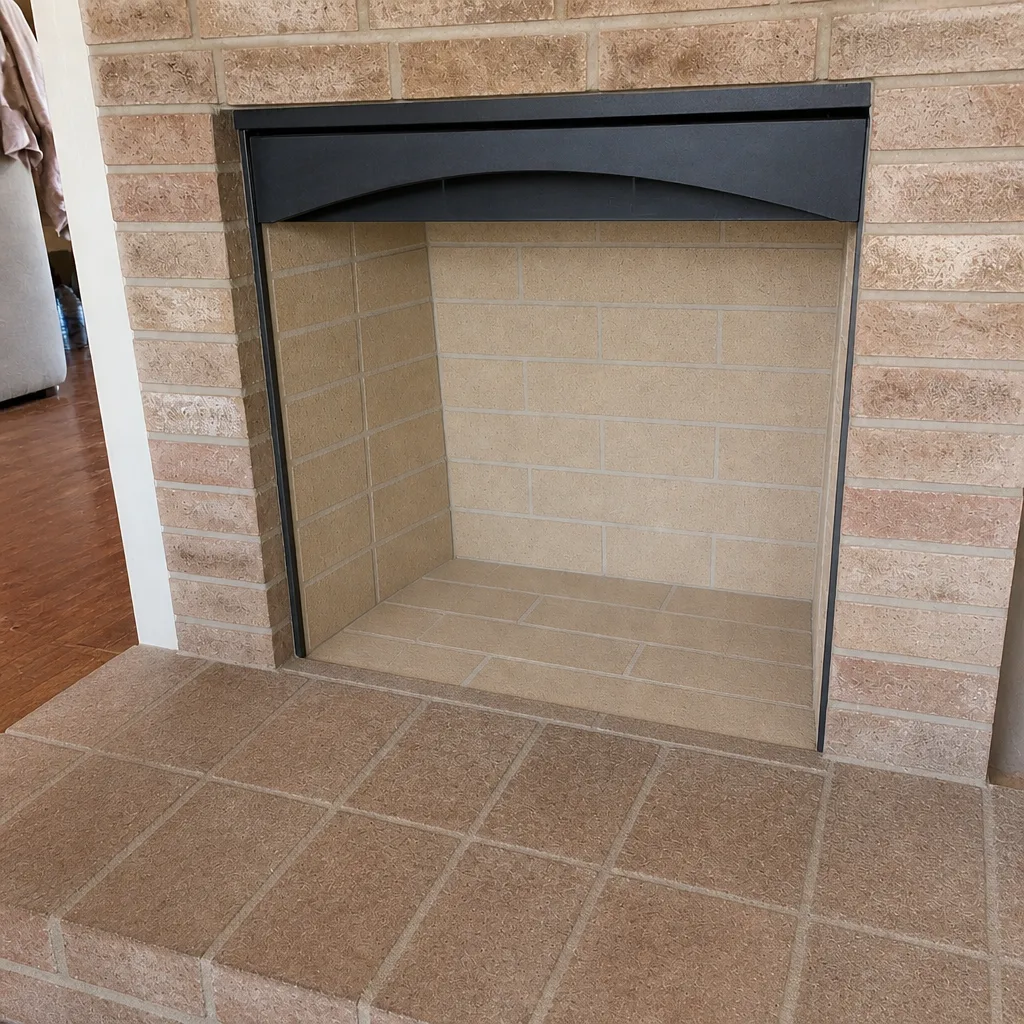 After
When to Call a Professional
Call a professional when you see any sign on the stop-using list, when a symptom repeats across more than one season, or when the white staining on your chimney is paired with soft mortar or rust inside. A one-time odd smell or a single light stain with firm joints can wait for your next scheduled sweep, but a crack you can catch a fingernail in, smoke that backs up, or any animal noise is a call-now scenario. Chimney Sweep Peoria offers free estimates in Peoria – call (866) 618-5984. We answer 24/7. Fast dispatch from 7am to 7pm, Sunday through Friday. Our technicians have up to 10 years of experience, and we work as a chimney-only specialist so every job falls within one area of expertise. Nothing gets recommended without camera inspection evidence you can see for yourself, and we’ll tell you plainly when work can safely wait.
Frequently Asked Questions
White efflorescence on the exterior, black staining around the firebox, smoke in the room, a strong odor without a fire, and rust on the damper are the most common in Peoria. Each points to a specific system: waterproofing, draft, blockage, creosote residue, or water intrusion. Call (866) 618-5984 for an exact quote – estimates are free.
No, white staining is usually efflorescence, which means water is moving through the masonry from inside, so cleaning it off just hides the evidence. The cause is almost always a cracked crown, failed flashing, or open mortar joints above the stain. An inspection traces the water pathway before any cleaning is done.
No, stop using it until it’s inspected. Smoke backing into the room can indicate a blockage, a collapsed flue tile, or a draft problem that could also let carbon monoxide into the home. Book an inspection before you light another fire.
Visible cracked tiles, gaps at the joints, or corrosion and seams on a metal liner are the signs, and some are only visible with a camera. Rust on the damper and repeated smoke spillage can point to liner problems too. Call (866) 618-5984 for an exact quote – estimates are free, and a photo report shows you the evidence.
Because wind-driven rain exposes weak points a calm shower wouldn’t. A hairline crown crack, open flashing, or an uncapped flue lets water in sideways, so efflorescence, firebox dripping, and damper rust appear in June through September. That seasonal pattern points to waterproofing and crown integrity rather than creosote.
Some things can wait and some can’t, and the difference is visible evidence. Surface soot or light staining with firm mortar joints can wait for your next sweep, while a cracked crown, failing liner, or degraded smoke chamber should be addressed this season. We’ll tell you plainly which category your chimney is in.
The Bottom Line
Most chimney warning signs are misread as cosmetic, and the cheapest way to avoid that mistake is to map each symptom to its cause before you decide what to do. White staining means water, black staining means draft or blockage, a strong odor means creosote, rust means water intrusion, and persistent sound means movement or an obstruction. Learn to read those signals, draw the cosmetic-versus-structural line with the screwdriver test, and respect the escalation guide: stop using the fireplace for the serious signs, book within the season for the real ones, and let the rest wait for your next sweep. In Peoria’s climate, the pattern of when a sign appears says as much as the sign itself. A sweep, an inspection, and repair handled by one chimney-only specialist closes the loop and keeps the whole system treated together, with professional-grade materials chosen by name.
If anything in this guide matches what you’re seeing at home, don’t wait for it to get worse. Call (866) 618-5984 for a free estimate. We answer 24/7. Fast dispatch from 7am to 7pm, Sunday through Friday. Sweep. Inspect. Repair. One call.
Written by the team at Chimney Sweep Peoria.