
Last updated November 15, 2026
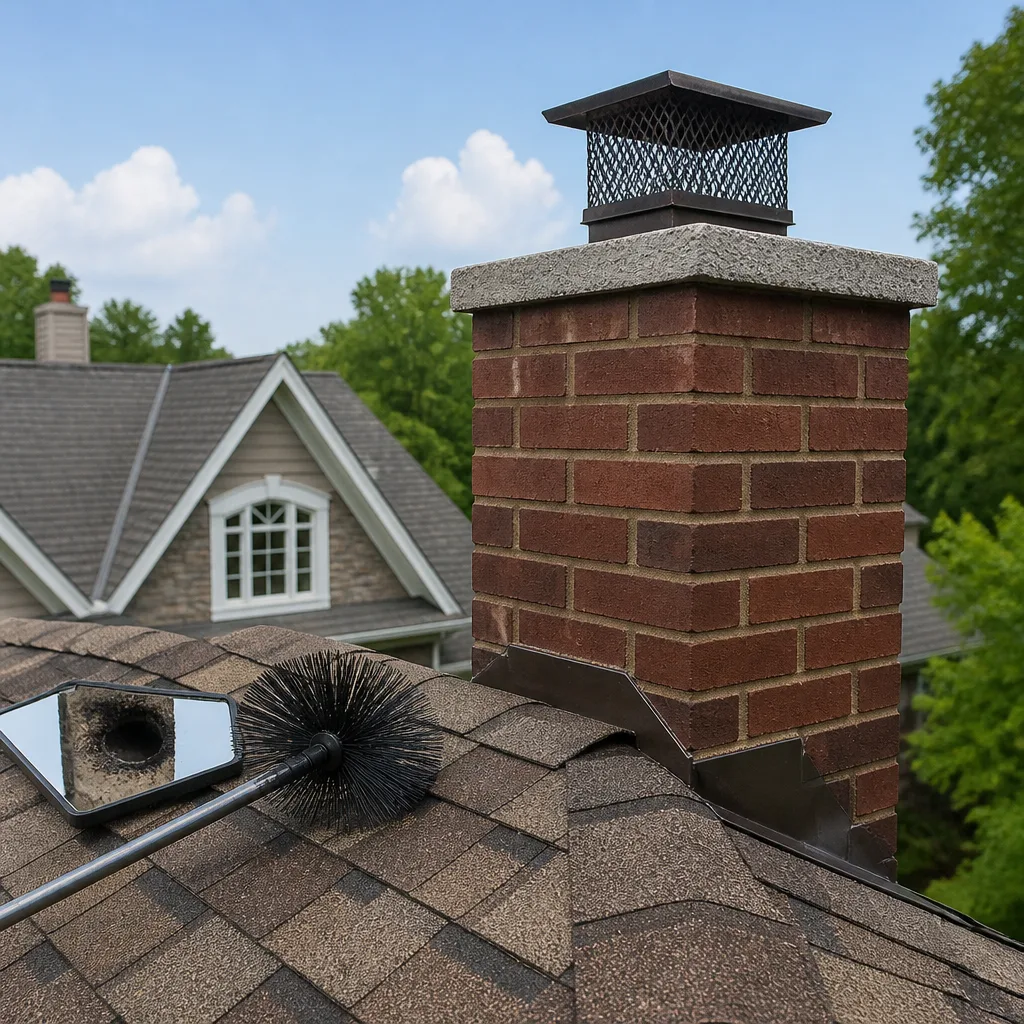 Sweep & inspection
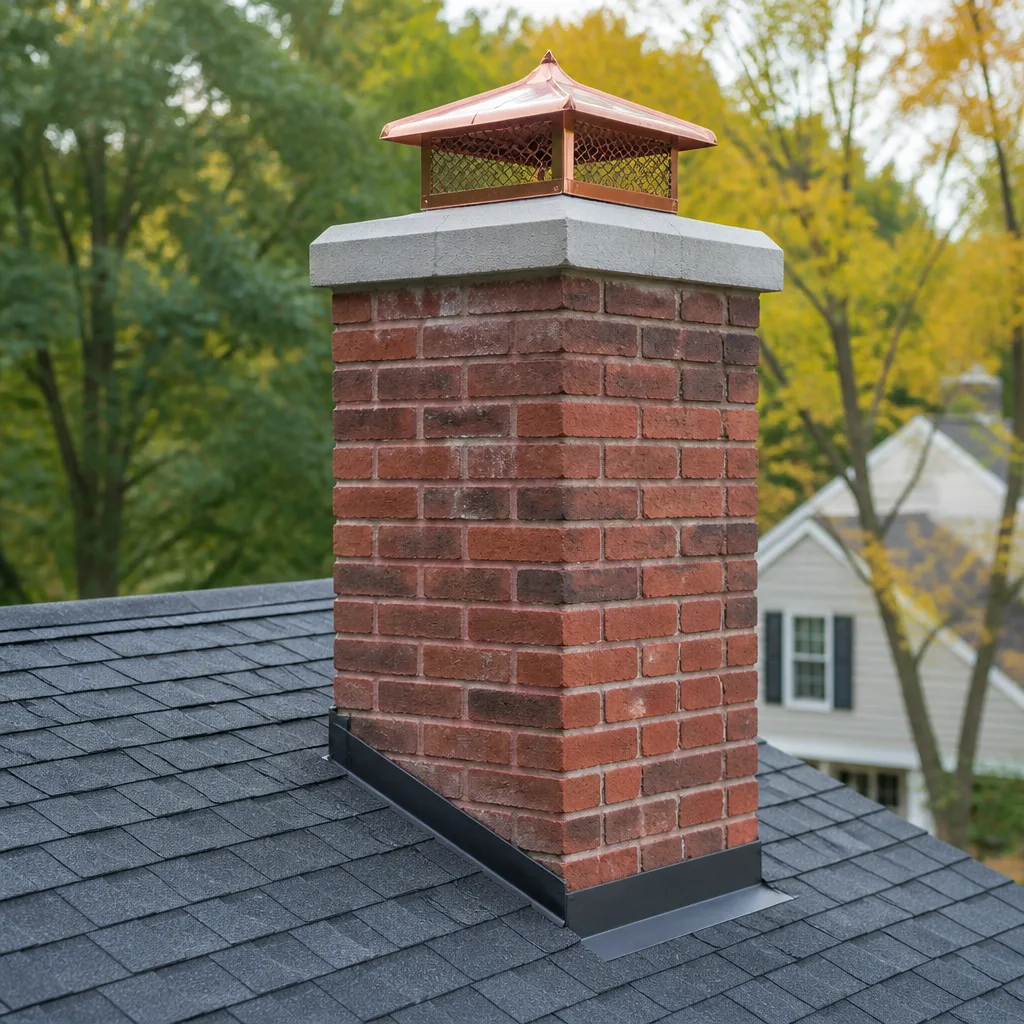 Caps & crowns
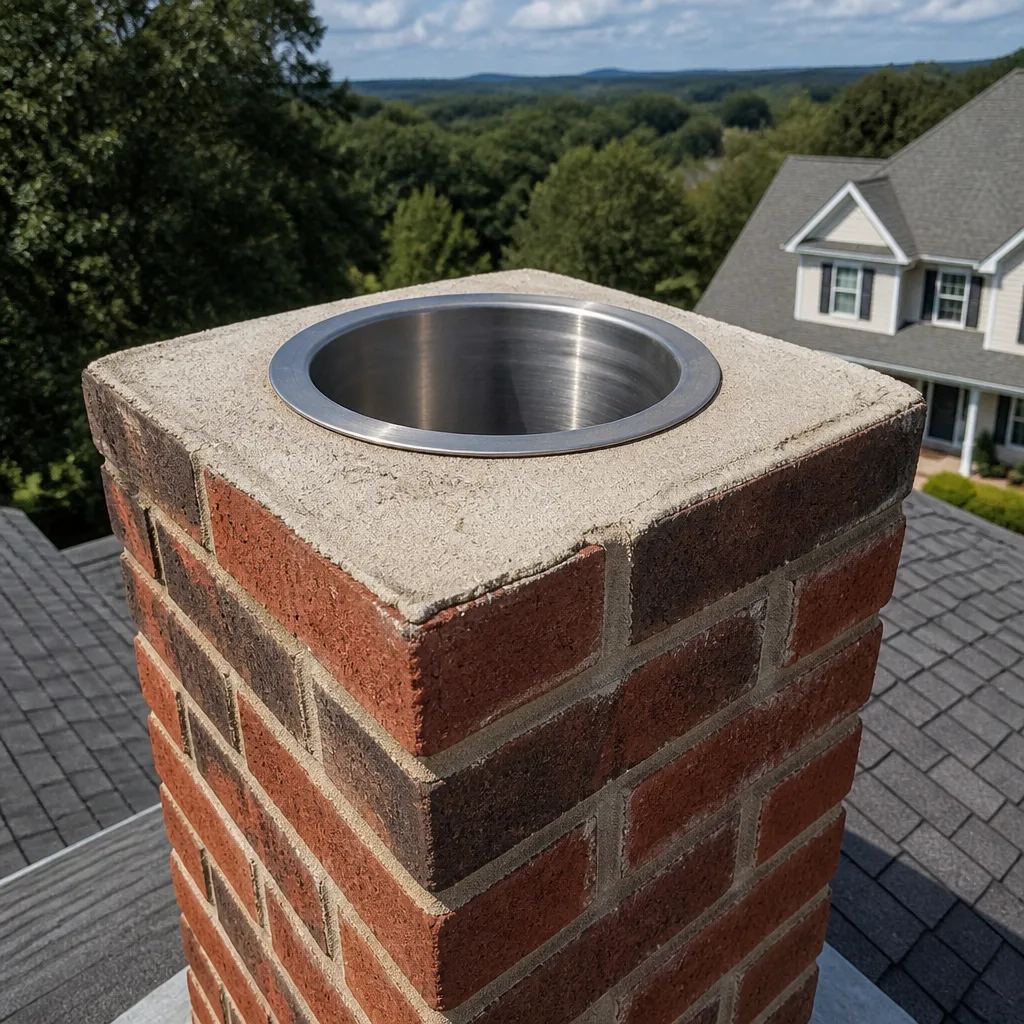 Flue relining
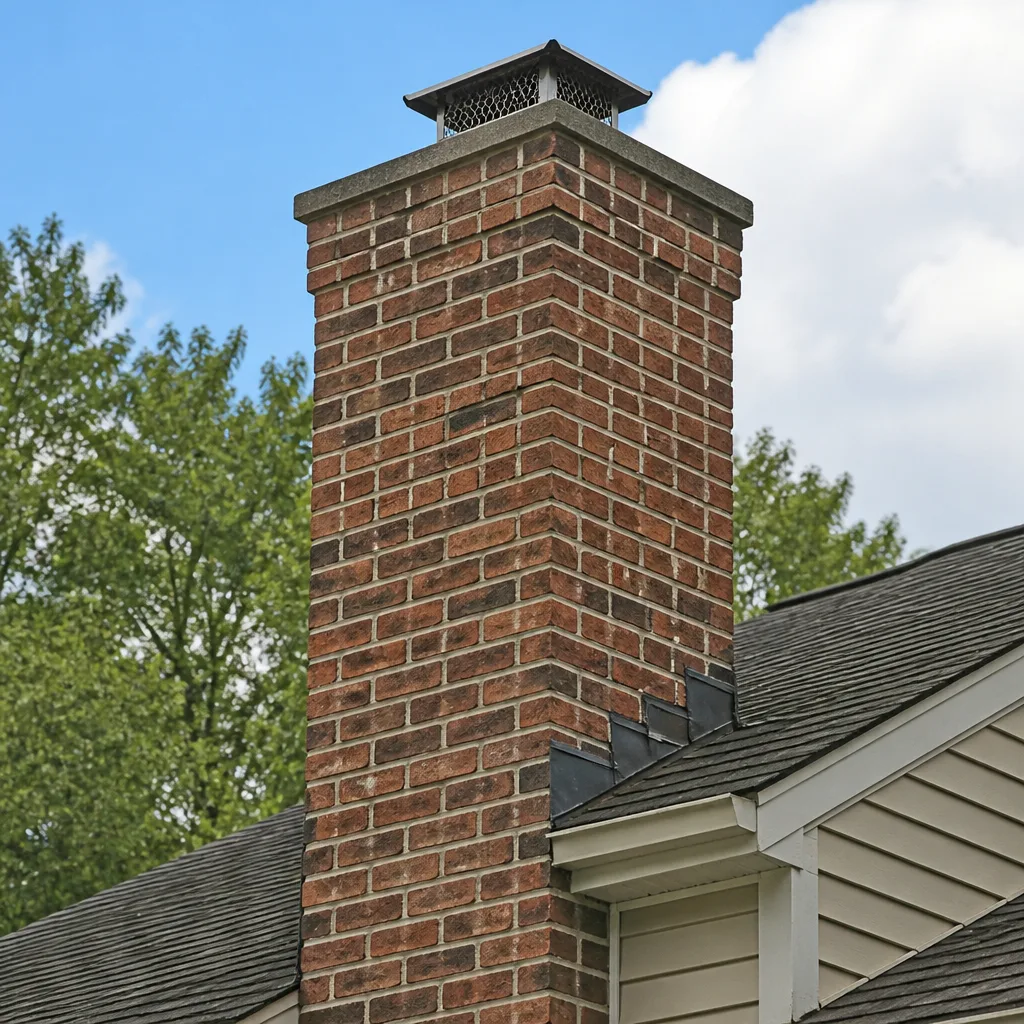 Masonry repair
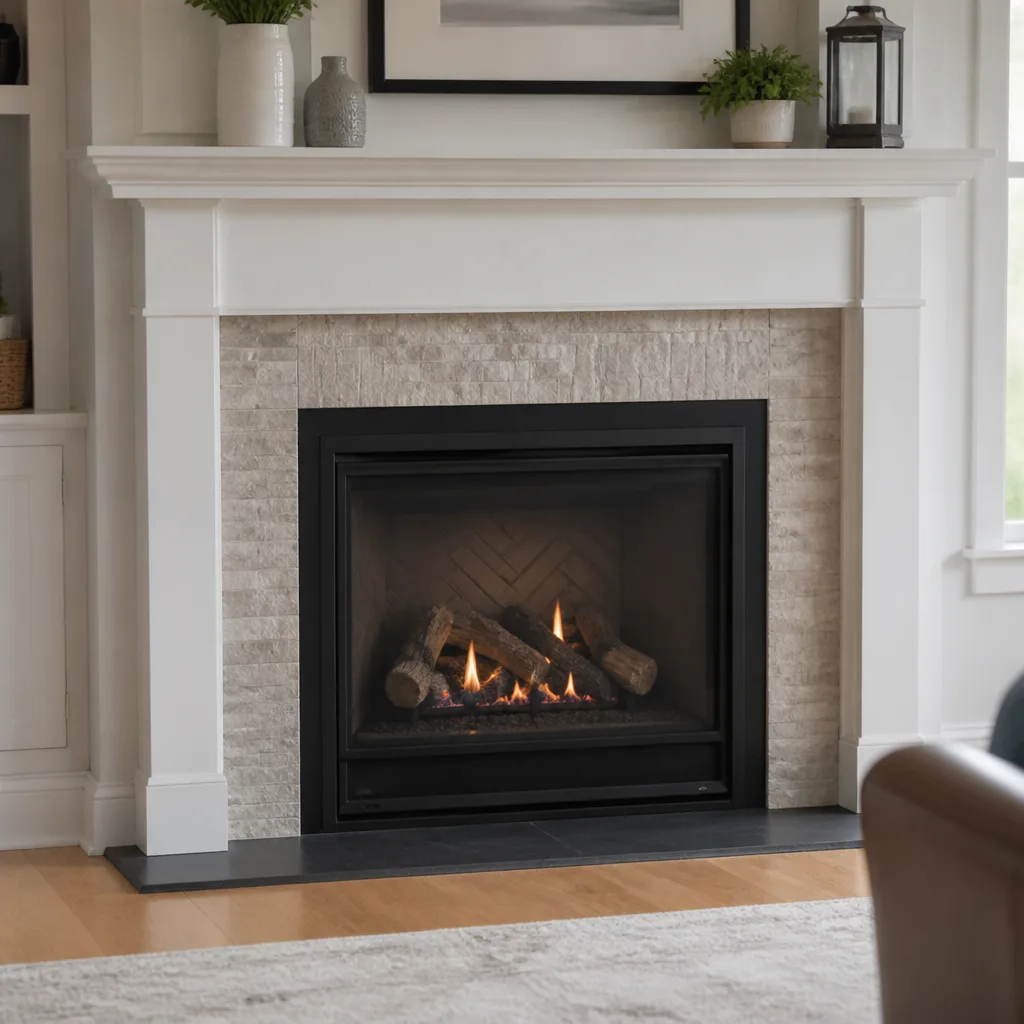 Gas fireplace service
Level 1 sweep and inspection to the NFPA 211 annual standard - flue, crown, cap, and flashing checked and photographed
Chimney sweep logs do not sweep chimneys. They loosen some creosote - which then falls where a brush and vacuum still have to collect it.
Chimney Sweep Maintenance Checklist for Peoria Homeowners
The most dangerous thing inside a chimney usually has no visible sign from the firebox floor. Stage 2 and stage 3 creosote, the glazed, hardened deposits that feed a chimney fire, can build up well above the damper on surfaces a flashlight pointed up from the hearth will never clearly show. A homeowner who shines a light, sees “clean enough,” and checks the box can miss the one condition most likely to cause real trouble. That gap between what looks fine and what is actually safe is what this checklist is built around. Below you’ll find a task-by-task framework for Peoria homeowners, organized by where you are in the year and by what you can safely verify yourself versus what genuinely needs a trained sweep and a camera.
Quick Answer
A complete chimney maintenance checklist for a Peoria home runs in three cycles: pre-season tasks before October (clear the cap and crown, test the damper, confirm the sweep is booked), post-season tasks after March (schedule the annual inspection and sweep while the chimney is idle), and after-storm checks following a monsoon or high-wind event (look for shifted caps, downed debris, and water intrusion). Everything inside the flue, above sight line, and behind the damper is a technician’s job, not a homeowner’s.
Styles & brands we work with
- Sweep & inspection
- Caps & crowns
- Flue relining
- Masonry repair
- Gas fireplace service
Table of Contents
- Why a Chimney Checklist Has to Match Your Actual System
- Pre-Season Tasks: What to Do Before October
- What You Can Safely Inspect Yourself
- What Is Off-Limits Without Tools and Training
- Post-Season Tasks: What to Do After March
- After-Storm Tasks for Peoria’s Monsoon and Wind Events
- How to Log and Date Every Maintenance Item
- When a Task Moves from ‘Monitor’ to ‘Schedule Now’
Why a Chimney Checklist Has to Match Your Actual System
No two chimneys in Peoria are set up the same way, and a generic list borrowed from a national website tends to assume a wood-burning masonry fireplace in a cold, wet climate. That isn’t the whole picture here. A Peoria home might have a traditional masonry chimney with a clay tile liner, a factory-built unit with a metal flue, a gas insert venting through its own smaller pipe, or a wood stove tied into a stainless liner. Each of those systems has different inspection points, different failure modes, and a different maintenance rhythm.
So the checklist you actually use needs three things built in. First, it has to be tiered by season, because the tasks that matter in September are not the tasks that matter in April. Second, it has to separate what a homeowner can safely verify from what needs a professional with a camera. Third, it needs pass/fail criteria for each item, so “check the damper” becomes “the damper closes flush and seats with no more than a narrow sliver of daylight showing at the edges.” Vague instructions get skipped. Specific ones get done.
This matters more in the desert Southwest than people expect. Peoria’s heating season is short and the swings are wide: a cool January night can push a fireplace into steady use, then a mild stretch can leave it idle for weeks. That on-again, off-again pattern affects how creosote forms, because cool flue conditions during a slow, smoldering fire produce more of the dense, glazed deposits that cause trouble. A homeowner who burns hot, clean fires in short bursts builds up less than one who damps a fire down and lets it smolder overnight. A good checklist doesn’t just say “sweep annually” – it helps a homeowner recognize which of those two burners they are.
Pre-Season Tasks: What to Do Before October
Pre-season work happens before the first real burn, which for most Peoria homes means getting everything squared away before October. The goal is simple: start the heating season knowing the system is clean, the vent path is clear, and nothing has shifted or cracked since last spring. If you do nothing else, do these six items in order.
- Book the annual sweep and inspection first. Schedule the chimney sweep before you plan to use the fireplace, not after. Booking early gives you room to fix anything found.
- Clear the cap and the top of the flue. From the ground with binoculars, confirm the chimney cap is in place, the screen is not torn, and no bird nest or debris is blocking the opening. A missing or damaged cap lets water and animals in.
- Test the damper through its full range. Open and close it several times. It should move smoothly and seat flush when closed.
- Look at the firebox and the firebox floor. Sweep out ash and look for loose brick, crumbling mortar joints, or cracks in the firebox panels.
- Check the smoke chamber surface you can see. With a bright light, look up past the damper at the sloped surfaces leading to the flue. You’re looking for heavy soot, glazing, or gaps, not a perfectly clean surface.
- Confirm the exterior crown and flashing look intact. Cracks in the crown or lifted flashing are a water path into the chimney structure. From the ground, note anything that looks chipped or separated.
Once those are done, the season is set up correctly. A professional sweep and inspection closes the loop on everything the homeowner can’t reach, and it’s the one step that makes the other five count. Sweep. Inspect. Repair. One call. That integration is what keeps a small issue from becoming a spring repair project.
What You Can Safely Inspect Yourself
There is a lot a homeowner can legitimately verify without tools, and doing it regularly helps a sweep do a better job. The trick is knowing what a real “pass” looks like for each item, because “it looks okay” is not a pass – it’s a guess. Here’s the homeowner-safe tier with concrete criteria.
- Firebox floor: Pass means the floor is clear of ash buildup, no brick is spalling or lifting, and the mortar joints between firebrick are intact. Fail means any loose brick, a crack wide enough to catch a fingernail, or a hollow sound when tapped.
- Damper operation: Pass means it opens fully, closes flush, and stays where you set it. Fail means it binds, won’t close flush, or leaves a visible gap at the edges when seated. A gap wider than about the thickness of a coin is a real seal problem, not a cosmetic one.
- Smoke chamber visible surface: Pass means the surfaces you can see with a strong light look whole, with no obvious gaps or heavy glazed deposits. Fail means visible creosote glazing, cracked parging, or gaps between the damper frame and the masonry.
- Exterior crown: Pass means the crown slopes away from the flue, with no crack wider than a hairline. Fail means any crack you can slide a credit card into, or a crown that looks flat or crumbled at the edge.
- Chimney cap and screen: Pass means the cap is seated, attached, and the spark screen is intact. Fail means a loose cap, a torn screen, or visible nesting material.
- Odor check: A faint smoky smell when the fireplace is cold is normal. A sharp, acrid, or creosote-like smell that persists on a warm day, or a smell that shows up in a room away from the fireplace, is a signal to schedule service.
Those six items are the honest homeowner tier. Everything else lives inside the flue or above the visible surfaces, and that’s where a trained sweep and a camera scan come in. The reason this matters in Peoria specifically is that a homeowner checking off “looks clean” from the hearth can feel confident about a chimney that needs glazed creosote removed by a professional.
What Is Off-Limits Without Tools and Training
The flue interior, the smoke chamber shelf above your sight line, and the condition of the liner itself are all off-limits for a homeowner check. This isn’t gatekeeping – it’s the actual limits of a flashlight and a mirror. Those tools can confirm that a surface is dark. They can’t confirm what the surface is made of, how thick it is, or whether the liner behind the creosote is cracked.
Think about what a mirror-and-flashlight check actually shows. You see a distorted reflection of part of the flue, from an awkward angle, through a narrow opening. You can’t see the full circumference, you can’t see around a bend or offset, and you can’t see behind a damper frame. A professional camera scan runs a rotating camera down the flue and shows the full interior on a monitor, and it can be reviewed frame by frame. That’s the difference between a peek and an inspection.
Three things specifically need a technician:
- Flue interior condition: cracked tiles, gaps at the joints, and glazed creosote thickness all require a camera.
- Smoke chamber shelf above sight line: the upper surfaces of the smoke chamber are where creosote and soot collect out of view. They need a camera and often scraping or resurfacing.
- Liner integrity: a stainless liner’s seams, connections, and top termination can only be verified with proper access and a camera. When a liner is past service life, brands like DuraFlex make replacement liner systems whose specifications a homeowner can look up by name before work begins.
We tell every homeowner the same thing: nothing is recommended without camera evidence you can see for yourself. If a sweep tells you the liner is failing, they should be able to show you the frame where it fails. If they can’t, ask. A chimney professional who does this work every day will have no trouble producing it.
Post-Season Tasks: What to Do After March
Once the burning season winds down, usually sometime after March, the chimney goes idle for months. That idle stretch is the best window to have the annual inspection and sweep done, because the system is quiet, weather is mild, and any repair found can be scheduled without rushing. Post-season is also when water intrusion and small structural problems tend to reveal themselves – the chimney has had a whole season of heat cycles, and any cracks or loose joints from that season show up now.
Here’s the post-season tier, in order:
- Schedule the annual inspection and sweep in the spring. The chimney is idle, and issues found now have a full off-season to be repaired. This is the single most useful habit a Peoria homeowner can build.
- Close the damper and cap the chimney opening against summer debris and animals. A cap with an intact screen keeps birds and dust out through the dry season.
- Look at the crown and the exterior masonry for new cracks. Compare to your pre-season notes. New cracks or wider ones point to movement or water damage.
- Check for water staining inside the firebox. Rust-colored streaks or a chalky white residue (efflorescence) on the brick or firebox panels suggest water is getting in somewhere above.
- Note any changes in draft from the prior season. A chimney that drafted well last winter and drafts poorly or smells differently in the spring is telling you something changed.
Spring is also a good time to address the small stuff while it’s still small. HeatShield resurfacing of the smoke chamber, a fresh cap (Gelco makes chimney caps), or a new damper can all be handled as part of the post-season service window. That keeps a homeowner from discovering a repair need in September with the first cold snap already on the way.
After-Storm Tasks for Peoria’s Monsoon and Wind Events
Peoria gets its share of monsoon storms and high-wind events, and both put specific stresses on a chimney. Wind drives debris onto the crown, into the cap, and down the flue. Rain comes in horizontally and finds every crack and gap. Dust and grit collect in the firebox and around the damper frame. A short after-storm walk-around catches most of the damage while it’s still obvious.
What to check after a storm:
- Cap and screen integrity: Look from the ground. A shifted cap, a torn spark screen, or a cap that’s come loose from its mount is a repair that should not wait. A missing cap is an open door for birds, debris, and water.
- Exterior masonry and crown: Fresh cracks, chipped mortar, or a crown that looks visibly damaged after high wind. Note anything new.
- Flue obstruction: If you see debris on the damper when you open it, or hear a rattle when wind blows, something may have come down the flue. Don’t burn until it’s checked.
- Water intrusion inside: Water marks, damp soot, or an unusual musty smell in the firebox after a storm is a sign rain got in. Efflorescence (that chalky white powder) on the firebox brick is the classic indicator of chronic moisture.
- Ground-level evidence of a strike: Limbs on the roof, cracked mortar on the visible chimney above the roofline, or a cap that looks like it took a hit. Note it and have it inspected.
Most Peoria storm-damage checks are quick and visual. The point is to spot a problem early enough that it becomes a repair rather than a rebuild. A cap replaced promptly is far less expensive than water damage that has been running for months.
How to Log and Date Every Maintenance Item
A dated log is the difference between a checklist and an actual maintenance program. When a sweep can see when your last service was, how often you burned, and what was found each visit, they can spot usage patterns that predict accelerated creosote buildup. Without a log, every visit starts from scratch.
Keep the log simple. A notebook, a spreadsheet, or even a note on the phone is fine. Log these items and the date they were done:
- The date of each professional sweep and inspection, and the findings reported.
- How much wood you burned in the season (a rough cord count or number of fires per week is enough).
- Whether you burned hot, quick fires or damped-down, overnight fires.
- The type of wood you burned (hardwood, softwood, or a mix).
- Any homeowner-level check that failed, and the date you noted it.
- Any storm event that caused visible damage, with the date.
- Any repair performed, with the brand and description (for example, a DuraFlex liner, a Gelco cap, or HeatShield resurfacing).
The reason the burn pattern matters: a homeowner who consistently dampens fires overnight to stretch them out builds glazed creosote faster than one who burns hot and lets the fire burn cleanly. If the log shows a pattern of dense deposits showing up early in the service interval, the sweep can adjust the recommended frequency and address the cause, not just the symptom. It also gives any technician who comes out a written history instead of a guess.
Brand-name materials make the log more useful too. A homeowner who knows the liner is DuraFlex or that the cap is a Gelco product can find the published specifications, and future service can be scheduled with the right parts on hand. That’s the reasoning behind using named materials rather than anonymous contractor-grade supplies: they let the homeowner, and the next technician, know exactly what’s installed.
When a Task Moves from ‘Monitor’ to ‘Schedule Now’
Most chimney conditions are fine to monitor. A few are not, and the difference between monitoring and scheduling service now is measurable, not a vibe. Here are the concrete thresholds we use.
- Damper seal gap: A gap you can slip a coin through at the edge of a closed damper is a real seal problem. Schedule an inspection to check the damper frame and seating surface.
- Efflorescence: Chalky white powder on the firebox brick, the exterior chimney masonry, or the crown is a moisture indicator. If it’s persistent and spreading, schedule service – water is getting in somewhere above.
- Odor type: A faint smoke smell that clears when the fireplace is in use is normal. A sharp, acrid, creosote-like smell that lingers on a warm day, or a smell in a room away from the fireplace, is a signal to schedule service now.
- Cracks in the firebox: A crack in firebrick wide enough to catch a fingernail, or a hollow sound when tapped, is a repair item. Cracks let heat reach the structure behind the brick.
- Loose or missing cap: Any cap that is off its mount or whose screen is torn should be replaced promptly, before birds, debris, or water use the opening.
- Liner damage: Any visible cracked tile, gap at a joint, or failed stainless connection is a stop-burn condition until inspected. This is a safety issue, not a monitoring item.
- Stage 2 or stage 3 creosote: Dense, glazed, or puffy deposits are a chimney-fire risk. This requires professional removal, not a homeowner brushing.
What all of those have in common is that they can be seen or measured. The dangerous conditions that only show up on a camera are the reason the annual inspection exists. A homeowner can log what they see; the sweep confirms what the camera shows. When the two agree, a repair recommendation is straightforward. When they disagree, the camera evidence is the deciding vote.
Common Mistakes to Avoid
- Calling “looks clean from below” a safety check. Stage 2 and stage 3 creosote can build up above the damper and out of sight from the hearth. A flashlight can’t substitute for a camera.
- Skipping the annual inspection because the fireplace was barely used. Even a few fires a season can produce deposits, and low-use seasons are exactly when a slow-developing problem goes unnoticed. The inspection is the system check regardless of burn hours.
- Burning damped-down fires to make the wood last longer. Smoldering fires burn cool and produce dense, glazed creosote. Small, hot fires keep the flue cleaner. In Peoria’s mild winters, there’s no reason to smolder a fire for hours.
- Ignoring a loose cap or a torn screen. Once the screen is compromised, birds, debris, and water have an open path. In monsoon season that becomes a real water and obstruction risk.
- Treating a crack in the firebox as cosmetic. Firebrick is there to take the heat so the structure behind it doesn’t have to. A crack in the firebox is the first step toward structure damage.
- Trusting a “we’ll do it next time” recommendation. A repair found during a sweep is best handled by the same contractor who found it, in a single visit. Deferring to another company means re-inspection and a second booking.
- Not keeping a log. Without dates and burn history, every sweep starts cold and any pattern of early creosote buildup goes unnoticed.
Most of those mistakes come down to one thing: assuming a fast glance is the same as an inspection. It isn’t. The homeowner tier we’ve laid out is genuinely useful, and it’s meant to supplement professional service, not replace it.
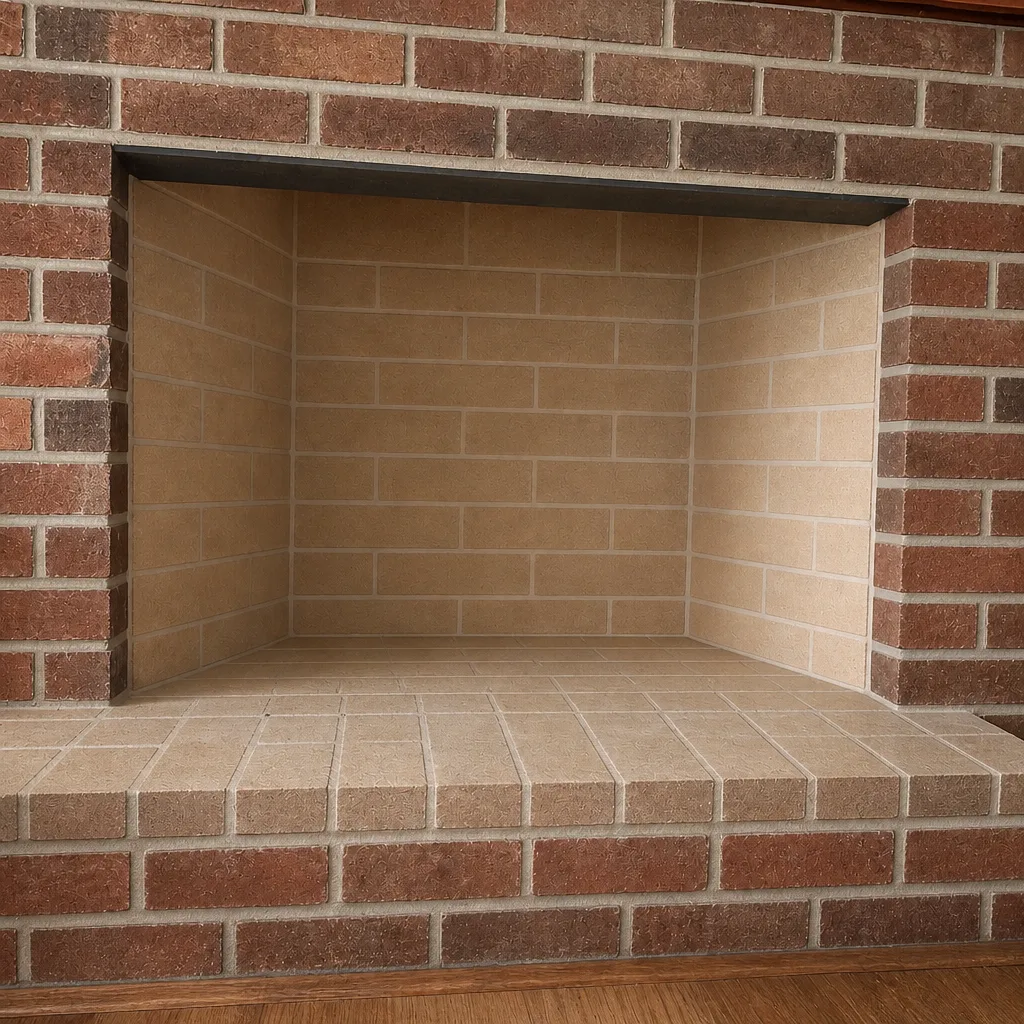
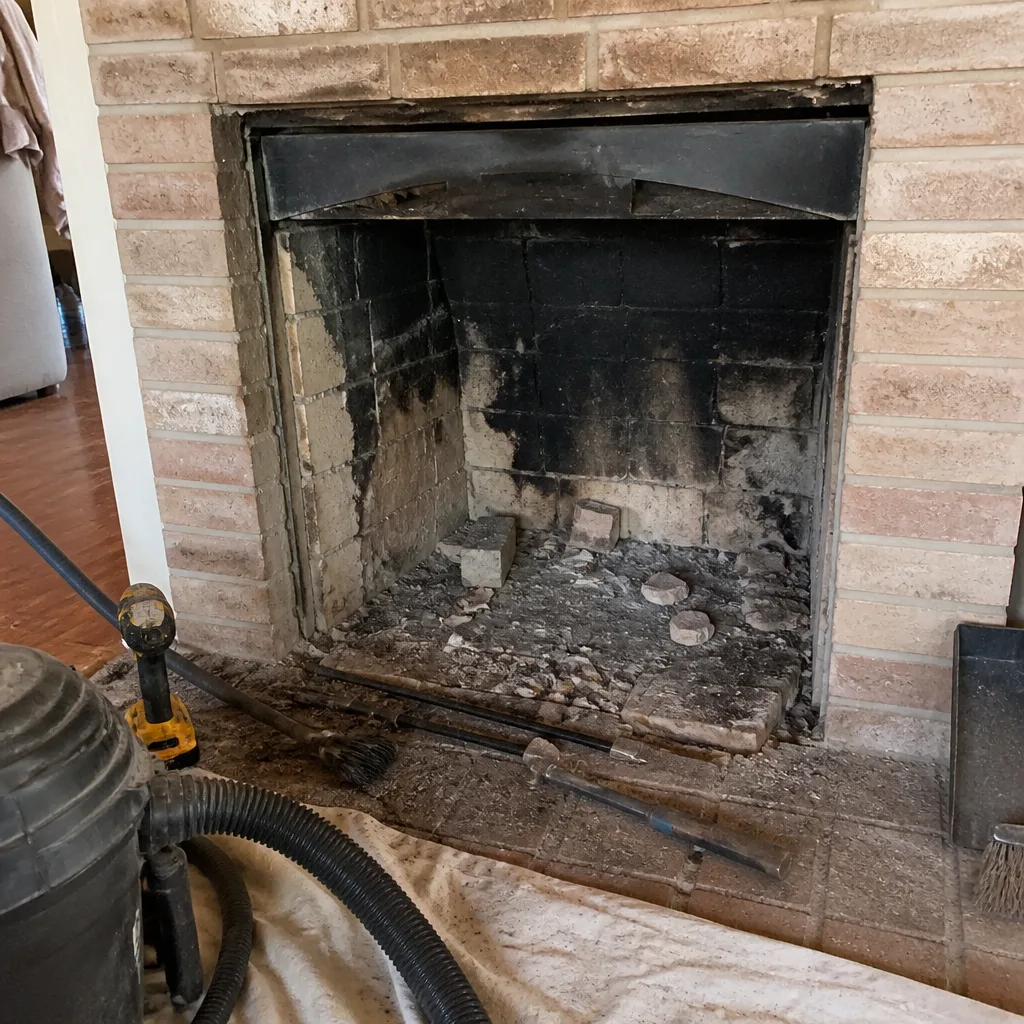
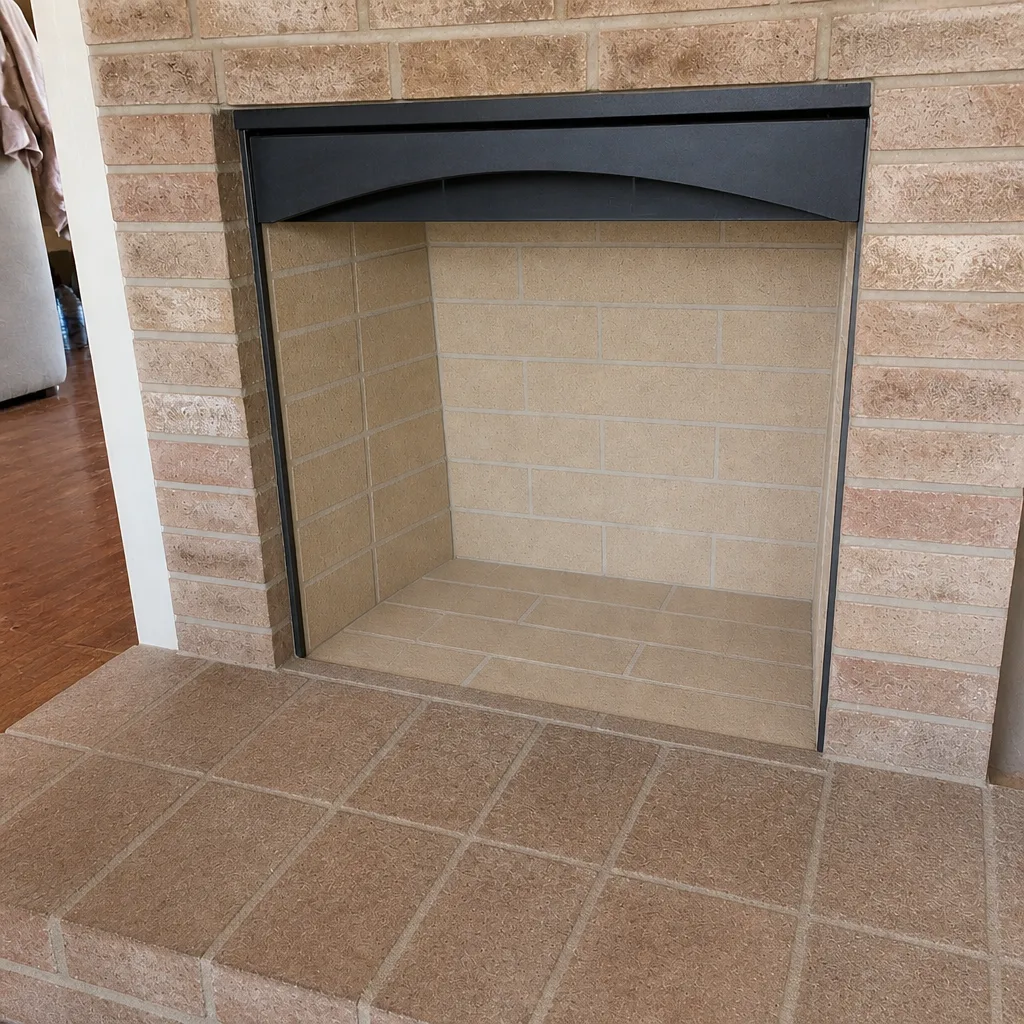
See the difference
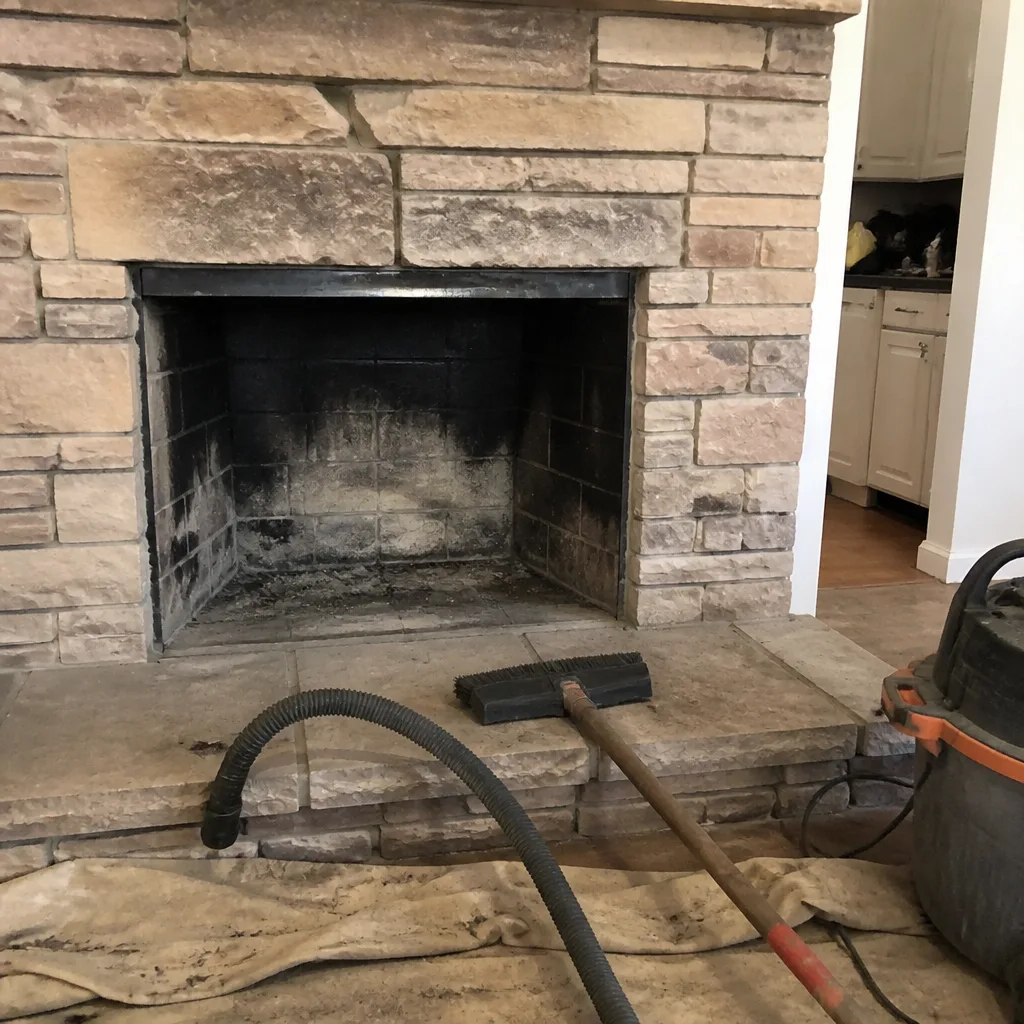 Before
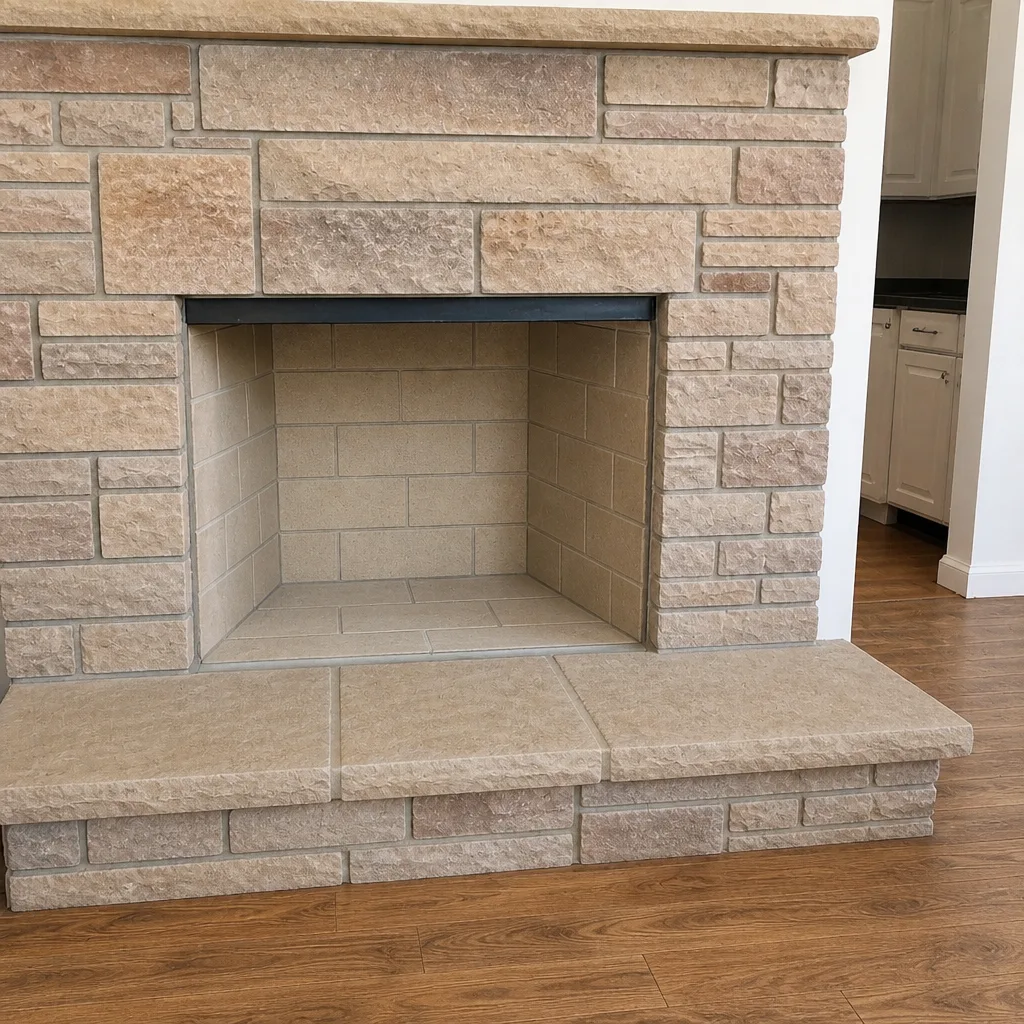 After
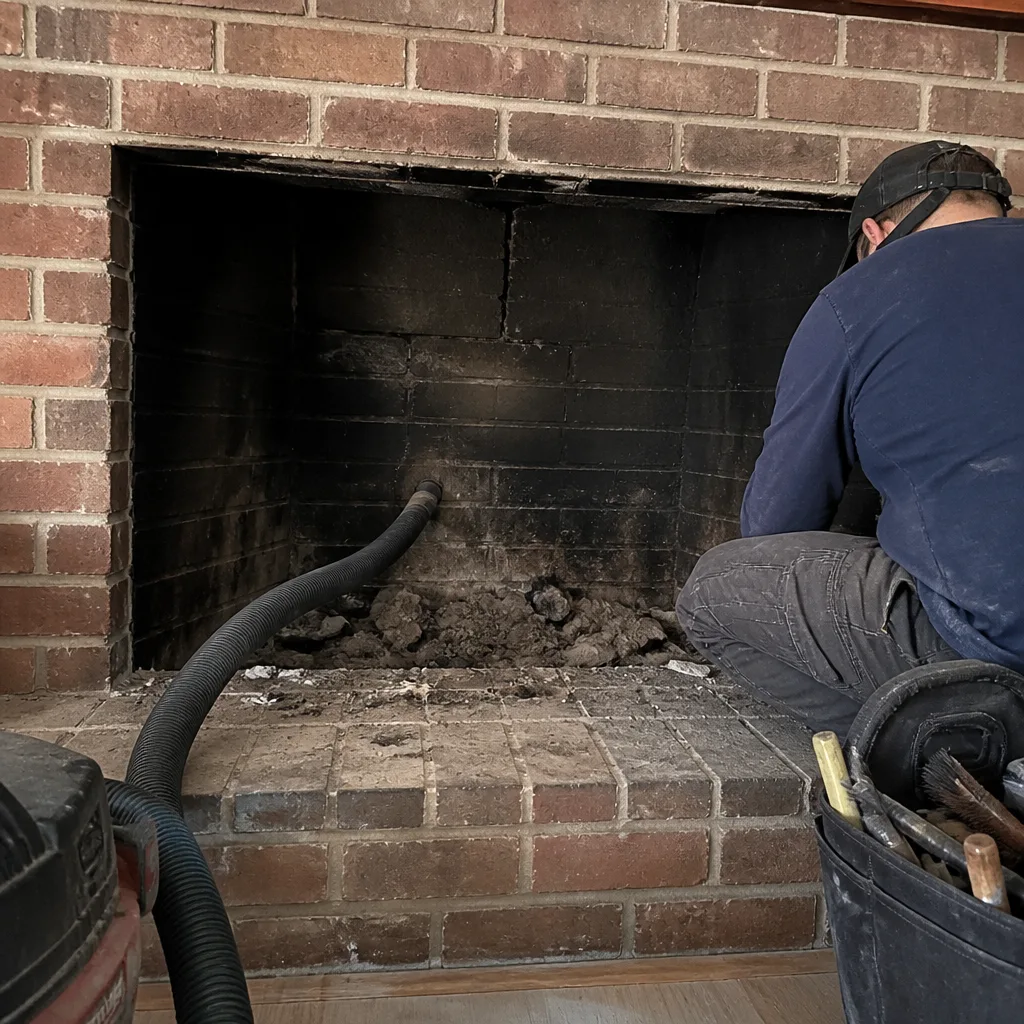 Before
 After
 Before
 After
When to Call a Professional
Call a professional when a homeowner-level check fails, when an after-storm walk-around shows new damage, or simply when the annual sweep and inspection comes due. Specific situations that warrant a call: any visible crack in the firebox, a damper that won’t seat, persistent efflorescence, a missing or loose cap, a sharp or acrid odor from the fireplace, or any sign that creosote has built into dense deposits. And of course, call if you’re not sure – the low-risk answer to a question about chimney condition is almost always “have it looked at.”
Chimney Sweep Peoria offers free estimates in Peoria – call (866) 618-5984. We answer 24/7. Fast dispatch from 7am to 7pm, Sunday through Friday. One company handles the sweep, the inspection, and any repair, so nothing gets handed off between vendors when something turns up.
Frequently Asked Questions
Most Peoria chimneys should be swept once a year, timed to the annual inspection, and more often if the log shows accelerated creosote buildup or if the fireplace is used heavily through the winter. A light-use gas insert may go longer between sweeps, but it still needs the annual inspection to check the vent and the appliance connection. Call (866) 618-5984 for an exact recommendation for your system – estimates are free.
No. A flashlight can’t show the full circumference of the flue, can’t see past an offset or behind the damper frame, and can’t tell you whether the liner behind the soot is intact. A camera scan is the only way to actually verify flue and liner condition. Anything a sweep recommends should come with camera evidence you can see for yourself.
Creosote is a byproduct of incomplete wood combustion, and it forms in stages. Stage 1 is loose, sooty, and easily brushed. Stage 2 is denser and harder to remove. Stage 3 is glazed and hardened, and it’s the form most associated with chimney-fire risk because it can ignite and burn hot inside the flue. The reason it matters for a checklist is that stage 2 and stage 3 creosote often builds up above the damper and out of sight from the hearth, which is exactly where a homeowner inspection misses it.
Yes. A spring inspection is a point-in-time snapshot, and a monsoon or high-wind event can change things afterward. Wind can shift a cap, rain can find a new crack, and debris can block the flue. A short after-storm walk-around catches those changes while they’re still small. If the walk-around shows new damage, schedule a follow-up inspection.
Yes. Closing the damper when the fireplace is idle keeps cool air from escaping up the flue, and a cap with an intact screen keeps birds, debris, and rain out. Summer is the chimney’s idle season in Peoria, so it’s also the best window to schedule the annual sweep and inspection while the system is quiet.
The homeowner tier is visual and reachable – firebox floor, damper operation, visible smoke chamber surfaces, exterior crown, cap, and odor. Everything inside the flue, above the visible sight line, and along the liner is a professional job that requires a camera and trained eyes. Our technicians have up to 10 years of experience reading exactly what a camera shows and what it means for the next service interval. Call (866) 618-5984 for a free estimate – we’ll walk you through what we find.
The Bottom Line
A chimney maintenance checklist works when it matches your actual system, splits cleanly into what you can safely verify and what needs a trained professional, and gives you a concrete pass/fail for every item. Do the pre-season tasks before October. Schedule the annual sweep and inspection after March. Run the after-storm walk-around following monsoon and high-wind events. Log every date, every finding, and your burn pattern so a sweep can use the history to spot accelerated creosote buildup. Then trust the camera, not the flashlight. If a recommendation comes with visible evidence, it’s a repair; if it doesn’t, ask why. For a chimney check or a chimney repair in Peoria, call Chimney Sweep Peoria at (866) 618-5984. We answer 24/7. Fast dispatch from 7am to 7pm, Sunday through Friday.
Written by the team at Chimney Sweep Peoria.