
Last updated November 15, 2026
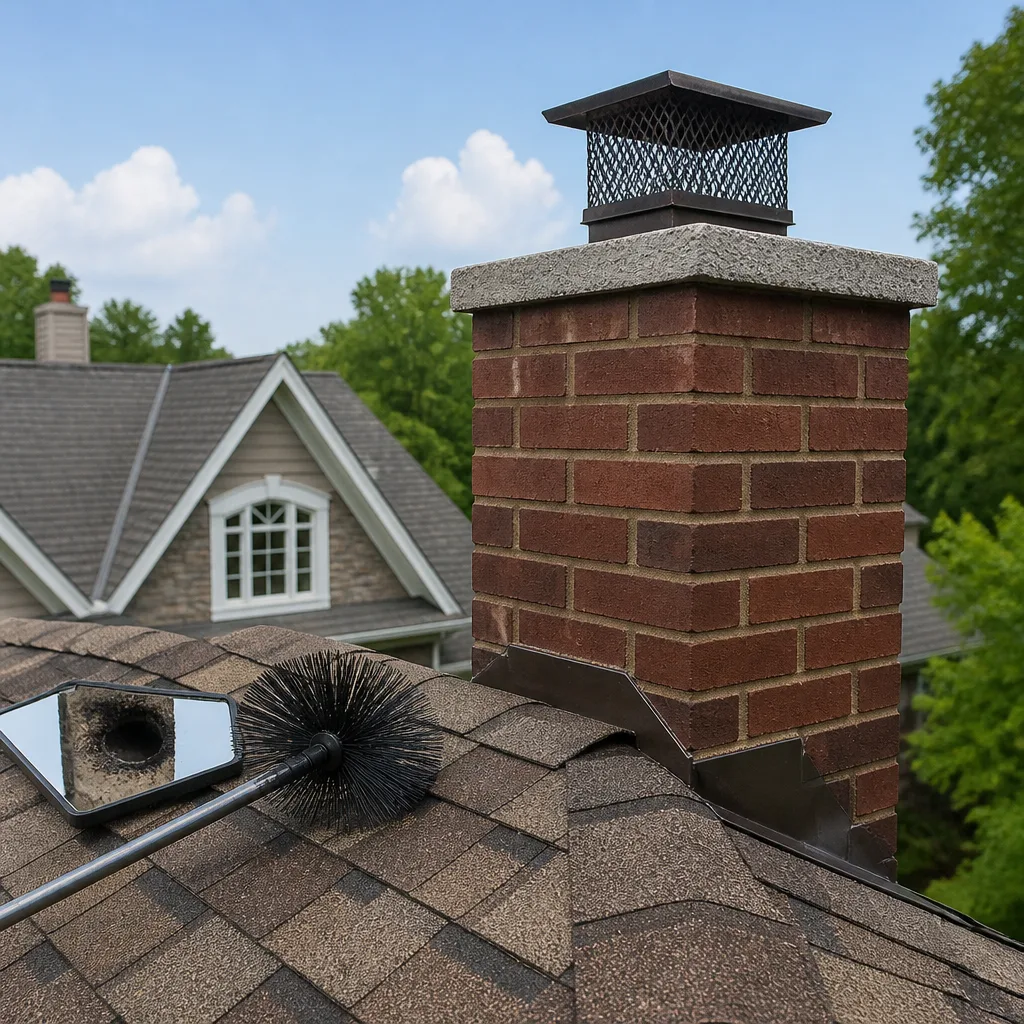 Sweep & inspection
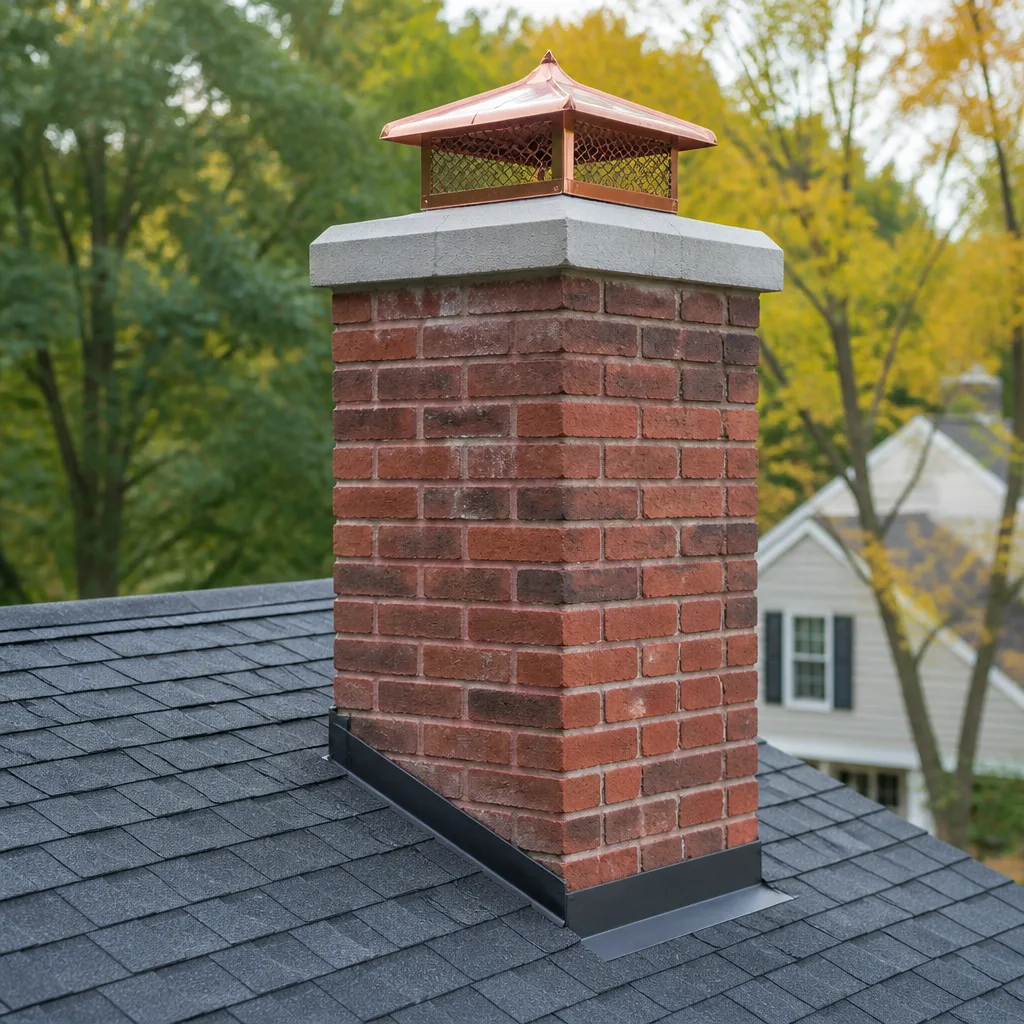 Caps & crowns
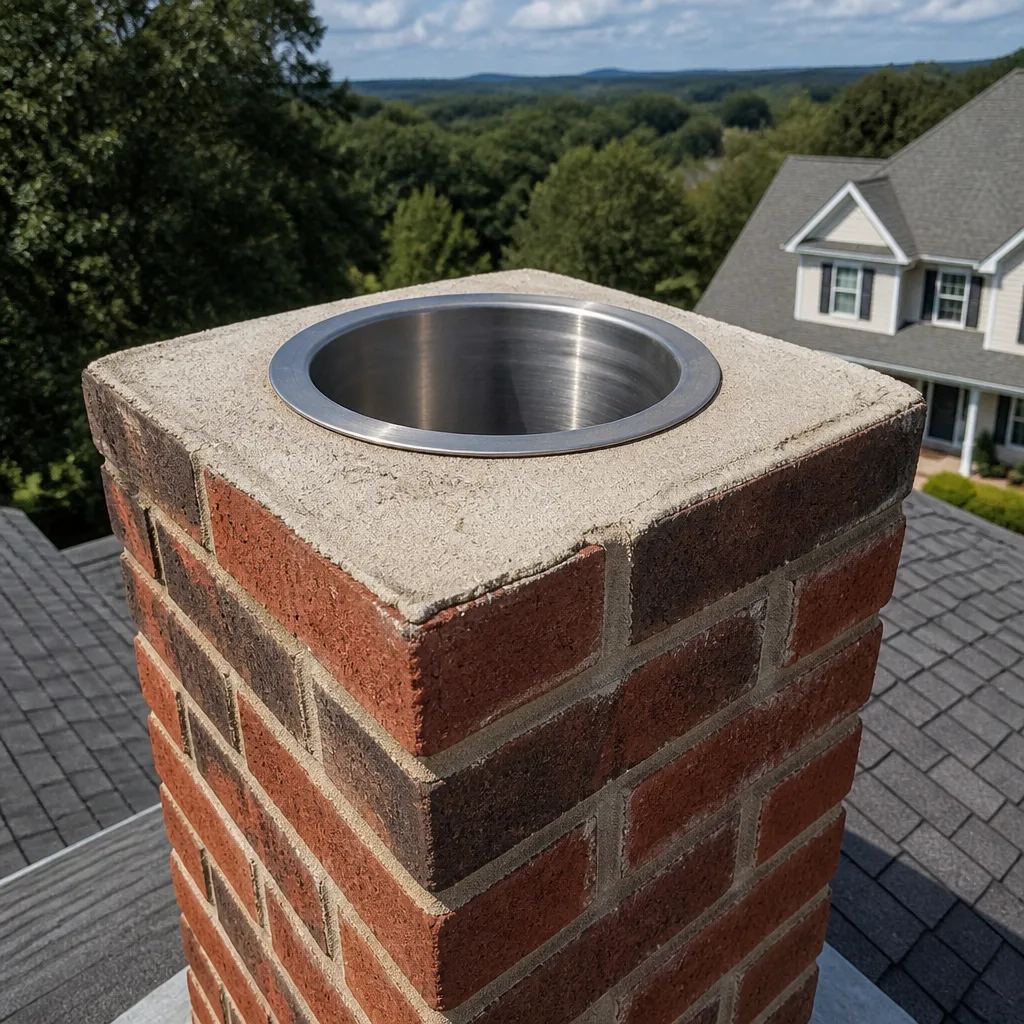 Flue relining
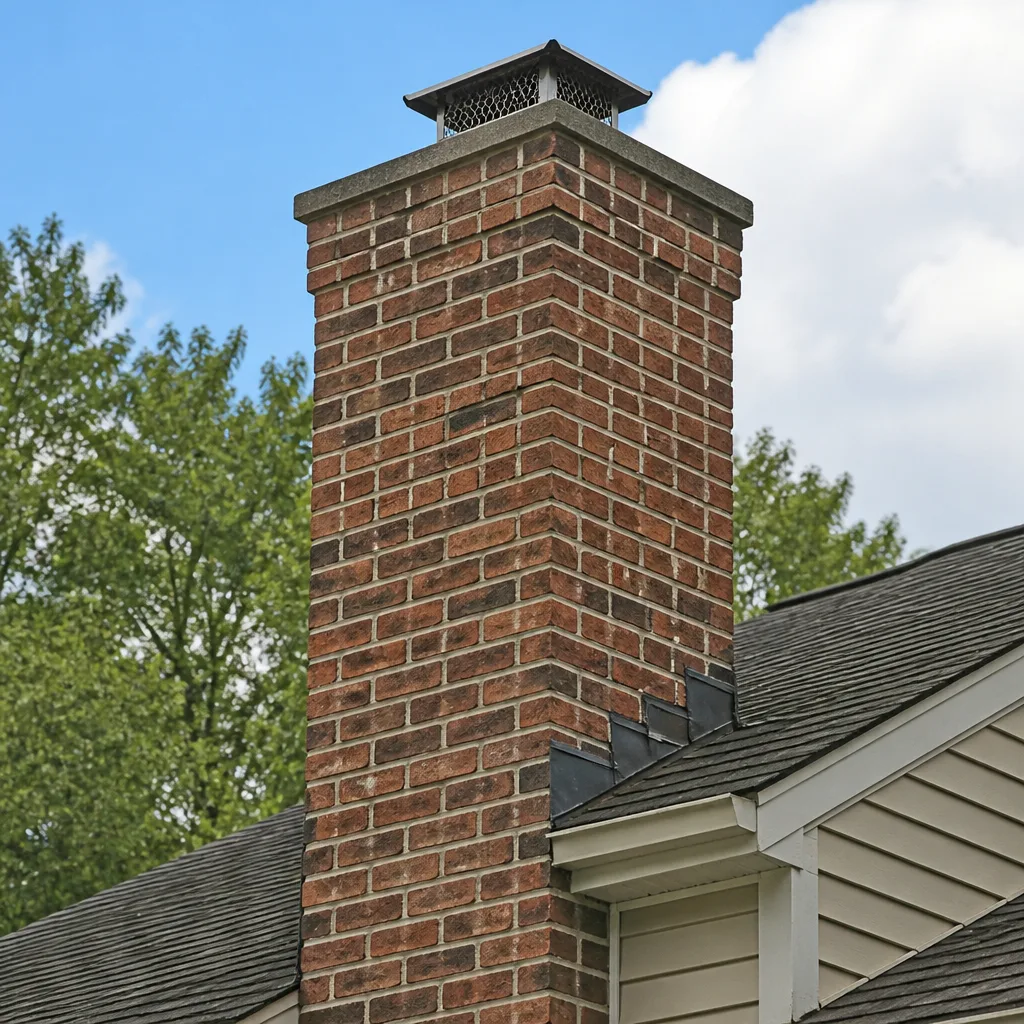 Masonry repair
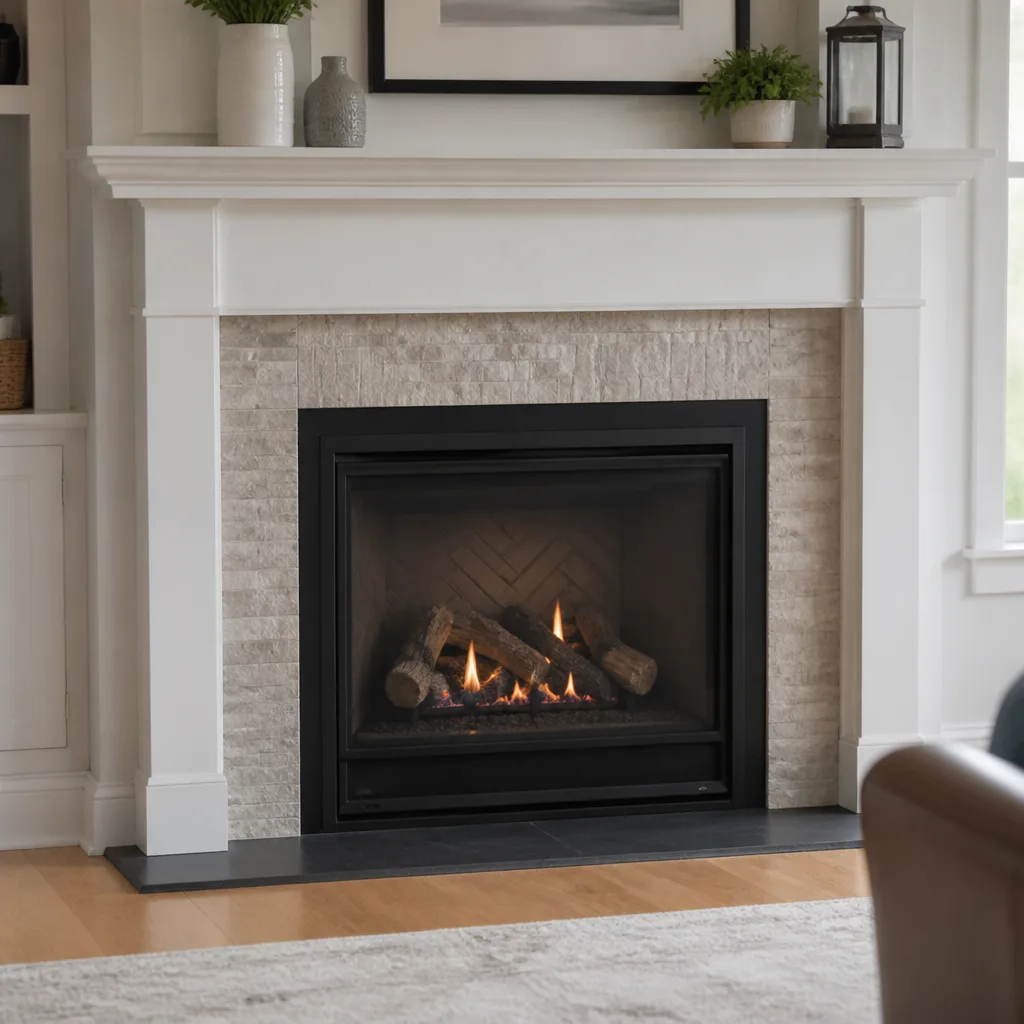 Gas fireplace service
Level 1 sweep and inspection to the NFPA 211 annual standard - flue, crown, cap, and flashing checked and photographed
Chimney sweep logs do not sweep chimneys. They loosen some creosote - which then falls where a brush and vacuum still have to collect it.
Chimney Sweep Maintenance Schedule: What to Do and When
Two chimneys can look identical from the curb and still need completely different care. A fireplace used six times a season and one used sixty times a season are not on the same maintenance schedule, yet nearly every guide treats them identically. That gap is exactly why so many inspections turn up creosote layers and cracked tiles in homes whose owners thought they were staying on top of things. In Peoria, the pattern makes this worse: most fireplaces sit dormant for eight months, then take heavy use in a compressed winter window. In this guide, we’ll lay out a maintenance schedule built around how you actually burn, not what a calendar says.
Quick Answer
How often a chimney needs cleaning depends on how much you burn, not the date on the wall. A wood-burning fireplace or stove used regularly should be swept and inspected once a year, and you should never let creosote build past 1/8 inch inside the flue. A gas insert that runs seasonally needs an annual inspection even though it produces far less soot. In Peoria, add a pre-season check in early fall to catch pest nesting and moisture damage from the long idle months.
Styles & brands we work with
- Sweep & inspection
- Caps & crowns
- Flue relining
- Masonry repair
- Gas fireplace service
Table of Contents
- Why “Once a Year” Isn’t a Schedule
- Usage Thresholds: When to Inspect Regardless of Date
- The Peoria Seasonal Pattern and What It Does to a Chimney
- Gas Inserts vs. Wood-Burning: Two Different Clocks
- Your Monthly Visual Checklist During Burn Season
- What Requires a Technician With a Camera
- How Skipping a Cycle Compresses Damage
- A One-Year Sample Schedule
Why “Once a Year” Isn’t a Schedule
“Get your chimney swept once a year” is the standard advice, and it’s not wrong. It’s just too vague to act on. Once a year from when? Before or after the season? Based on what amount of use? Without those answers, the annual rule collapses into a habit: many homeowners sweep in late winter, let the chimney sit all summer, and start burning again in November without ever looking at what happened during the idle months.
A real schedule has three moving parts. The first is burn volume, which sets how fast creosote accumulates. The second is fuel type, because a wood fire and a gas insert produce entirely different residues. The third is the local seasonal pattern, which in Peoria means a long dormancy followed by intense use rather than a steady burn across many months.
Get those three right and the annual sweep becomes a conclusion you arrive at, not a rule you obey on faith. Get them wrong and you can sweep faithfully every year and still find advanced damage, because the sweep was aimed at the wrong thing at the wrong time. The Chimney Sweep Peoria approach treats sweeping, inspection, and repair as one system for exactly this reason: the schedule and the diagnosis need to talk to each other.
What this means in practice: stop thinking of a “chimney cleaning” as a single annual event and start thinking of it as two touchpoints, a pre-season inspection and a post-season sweep, adjusted to your actual burn. That framework holds whether you burn one cord a year or four.
Usage Thresholds: When to Inspect Regardless of Date
Calendar dates are a poor trigger for maintenance. Usage is a better one. The National Fire Protection Association’s guidance (which we follow in our work) calls for chimneys to be inspected annually and swept as needed, and “as needed” is a usage question. Here are the thresholds we use to think about it.
- Under 1/4 cord per season, occasional use: an annual inspection is plenty, and a sweep may only be needed every other year if the flue stays clean.
- 1/4 to 1 cord per season, regular weekend use: annual sweep and inspection, with a mid-season visual check of the firebox and flue opening.
- 1 to 2 cords per season, frequent use: annual sweep plus a mid-season sweep if you notice heavy soot or a shrinking draft.
- Over 2 cords per season, or burning softwoods heavily: consider a sweep every six months, and don’t skip the pre-season inspection.
These thresholds assume dry, seasoned firewood. Burning green or unseasoned wood raises creosote production sharply, so if that’s what you have on hand, treat yourself as one tier higher than the cord count suggests. Burning construction scrap or trash does the same, and it also sends things up the flue that don’t belong there.
The other hard trigger is the 1/8-inch rule: if you can see or feel a creosote layer thicker than 1/8 inch anywhere in the flue, it’s time to sweep regardless of how recently you last did. A technician can check this with a camera during any inspection. If you’re not sure where your home falls, an inspection is the simplest way to find out. To book one, see our chimney sweep service page.
The Peoria Seasonal Pattern and What It Does to a Chimney
In Peoria, the burn season is compressed. Most fireplaces see little or no use from May through October, then take a heavy load from November through February. That pattern creates a specific set of problems that a single annual sweep in spring doesn’t catch.
During the idle months, a chimney is essentially an open vertical shaft with a cap on top. If the cap is missing, damaged, or, worse, a Gelco-style cap that has lost its screen, small animals and birds will find it. Nest material, twigs, and feathers collect at the smoke shelf or damper and create a blockage that can force smoke back into the house on the first fire of the season. We find this often enough that we treat a pre-season check as non-negotiable for any chimney that sits unused for months.
The idle months also expose the mortar and interior lining to the daily temperature swings of a Peoria summer: hot afternoons, cool nights. That cycling is gentle compared to a freeze-thaw climate, but it still stresses older mortar joints and can widen hairline cracks in the flue tiles over time. HeatShield resurfacing exists precisely to address that category of deterioration before it becomes a structural repair.
The takeaway: a chimney that sits dormant for eight months needs to be looked at before the season starts, not only after. A post-season sweep clears what you burned. A pre-season inspection catches what the summer did to the system while it was idle. Both belong on the schedule.
Gas Inserts vs. Wood-Burning: Two Different Clocks
Gas fireplace inserts and wood-burning systems degrade in different ways, so they need different inspection intervals and different kinds of attention. Treating them the same is one of the more common scheduling mistakes we encounter.
A gas insert produces very little creosote, so a “sweep” is rarely the point. What matters for gas is combustion quality and venting integrity. The things to check are:
- Whether the burner flames are burning clean and blue rather than lazy and yellow (a sign of incomplete combustion).
- The condition of the venting, whether that’s a direct-vent through the wall or a lined flue. Olympia Chimney and Famco venting products come up here for replacements and upgrades.
- Any sign of corrosion, sagging, or disconnected joints in the vent run.
An annual inspection is still the right cadence for a gas insert, and it’s more important than the cleaning step. The carbon-monoxide risk with gas is real if venting fails, and it’s the main reason we recommend the yearly look.
Wood-burning systems carry a different risk profile. Creosote is the headline hazard: it accumulates, it hardens, and it’s highly flammable. A wood system also has to be checked for cracked flue tiles, a deteriorated liner, and mortar joint wear. That’s a cleaning-and-inspection job with a camera, and the cadence is driven by your cord count, which is exactly the usage threshold we covered above.
Your Monthly Visual Checklist During Burn Season
Between professional visits, you can and should check some things yourself. These are simple, safe observations, not maintenance tasks, and they catch problems early without putting anyone on the roof.
- Open the damper and look up the flue from inside the firebox. A flashlight works fine. You’re checking for obvious soot buildup, blockages, or anything that looks like it’s growing where it shouldn’t.
- Look at the firebox walls and the damper. New cracks, crumbling mortar, or white staining are worth a note, not a repair attempt.
- Watch how smoke behaves on the first fire of the week. If smoke spills into the room instead of drafting up, stop burning and call for an inspection. That’s a strong signal of a blockage or a draft problem.
- Check the cap and the chimney top from the ground using binoculars if that’s the safe way to look. Missing screen? Visible damage? Write it down.
- Notice the smell. A strong creosote smell with no fire going can indicate buildup thick enough to be a concern.
What you cannot assess from the firebox is the inside of the flue above the damper: the tile joints, the liner, the smoke chamber, and the crown. Those require a technician with a camera, and that’s where a professional inspection earns its keep. We’re under no illusions that a homeowner can verify a liner replacement from a living-room sofa, and that’s exactly why we don’t ask you to. Every recommendation we make comes with camera footage you can see yourself. If a cracked tile is visible on the screen, you don’t have to take anyone’s word for it.
What Requires a Technician With a Camera
A number of the most consequential chimney defects live where no flashlight from the firebox will reach. A professional inspection with a camera addresses them directly. Here’s what we look at and why it matters.
The flue interior above the damper. Cracked or spalled flue tiles are one of the most common findings in older chimneys, and a crack in a tile lets heat and combustion gases escape into the surrounding structure. That’s a hidden fire risk and a carbon-monoxide path you can’t see from inside the house.
The smoke chamber. The sloped area directly above the damper is notoriously rough and prone to collecting creosote in corners. A camera inspection is the only reliable way to see whether it needs attention, and a HeatShield-style resurfacing may be a solution if it’s rough enough to matter.
The crown and the top of the masonry. The crown sheds water. When it cracks, water finds its way into the brick and mortar, and that’s where a lot of the internal deterioration starts. A cap protects this area; a missing or damaged cap accelerates the problem.
The liner itself. A camera inspection tells you whether an existing liner has gaps, separation, or corrosion, and whether you have a proper stainless liner at all. If a replacement is due, a DuraFlex liner system is one of the product families we install, and the published spec sheet is something you can review on your own.
When your annual inspection turns up a problem, the company that found it should be able to fix it. That’s a big part of why we handle inspection, sweeping, and chimney repair under one roof: no handoff between vendors, no second appointment to schedule the actual repair.
How Skipping a Cycle Compresses Damage
Skipping one maintenance cycle doesn’t produce a flat deferred cost. It compresses the damage into a shorter window and makes the eventual service call more extensive. Two mechanisms drive this.
The first is creosote hardening. Fresh creosote is oily and relatively removable with standard sweeping tools. Left in place, it goes through stages of hardening until it becomes a dense, glassy layer that’s far harder to remove and more prone to catching. The longer it sits, the more of it there is stacked on top of the old layer. When a sweep is finally done years later, it’s a longer job, and it’s more likely to reveal damage hidden underneath.
The second is crack propagation. A hairline crack in a flue tile is not a static defect. The daily heat-and-cool cycling of normal fires widens it over time, and once it opens fully, water and gases reach the surrounding masonry. Then the fix escalates from a resurfacing to a liner, and from a liner to structural repair.
The practical takeaway: the cost of the next service call is not flat. Every skipped cycle raises the odds that a simple sweep turns into a bigger conversation. The written estimate sets the final price for any repair we recommend, and we’re clear about which work is urgent and which can safely wait. Nothing gets recommended without evidence you can see.
A One-Year Sample Schedule
Here’s a schedule that works for most Peoria homes with a wood-burning fireplace. Adjust the sweep frequency to your actual cord count, and swap in a lighter gas-insert version if that’s your setup.
- Early fall (September or early October): Professional inspection. This is the pre-season check. A technician with a camera confirms the flue is clean and intact, checks for pest nesting or debris from the idle months, and confirms the cap and crown are sound before the first fire.
- First fire of the season: Homeowner test. Watch the draft and the smoke behavior. If anything seems off, stop and call.
- Mid-season: Visual check. Do the monthly checklist above, every month you’re burning. Look at the flue from the firebox, check the firebox walls, and smell for creosote.
- Mid-season, if burn volume is heavy: Optional mid-season sweep. If you’re burning over a cord, or the draft weakens, or you’re seeing heavy buildup, a mid-season sweep keeps things manageable.
- Late winter (end of season): Professional sweep. This clears the accumulated creosote from the season, with a camera verify after the sweep.
- Spring through summer: Idle months. Have the cap checked as part of the pre-season inspection. If a cap is missing, get one on. A Gelco cap is a common fix for a flue missing its screen and lid.
The order matters. Inspecting before the season catches problems before you burn; sweeping after clears what you produced. Both are part of the same system, and treating them as such is how a chimney stays safe year after year. If you’re unsure whether a city inspection or permit applies to a repair, ask the city’s building department directly, and we can help clarify during the estimate.
Common Mistakes to Avoid
- Sweeping on the calendar, not on usage. A spring sweep every year isn’t a schedule if you also burned three cords and never checked the flue mid-season. Match the work to how you actually burn.
- Skipping the pre-season inspection. In Peoria, the eight idle months are exactly when pests, moisture, and mortar wear do their work. Post-season sweeping alone misses them.
- Assuming a gas insert needs no annual service. Gas produces little creosote but carries real venting and carbon-monoxide risk. Annual inspection is not optional for gas.
- Treating a missing cap as cosmetic. A cap keeps water, birds, and debris out of the flue. It’s one of the cheapest protective items on the whole system.
- Sweeping and then discovering a problem with no plan to fix it. “We cleaned it, but there’s a crack” leaves you with an undone job. Choose a company that does sweep, inspection, and repair together.
- Burning green or scrap wood. It raises creosote production sharply and can leave more residue than a clean, dry cord ever would. The savings on cheap wood are a false economy.
- Ignoring the first puff of smoke into the room. Smoke spillage is a draft or blockage signal. Don’t keep burning and wait it out.
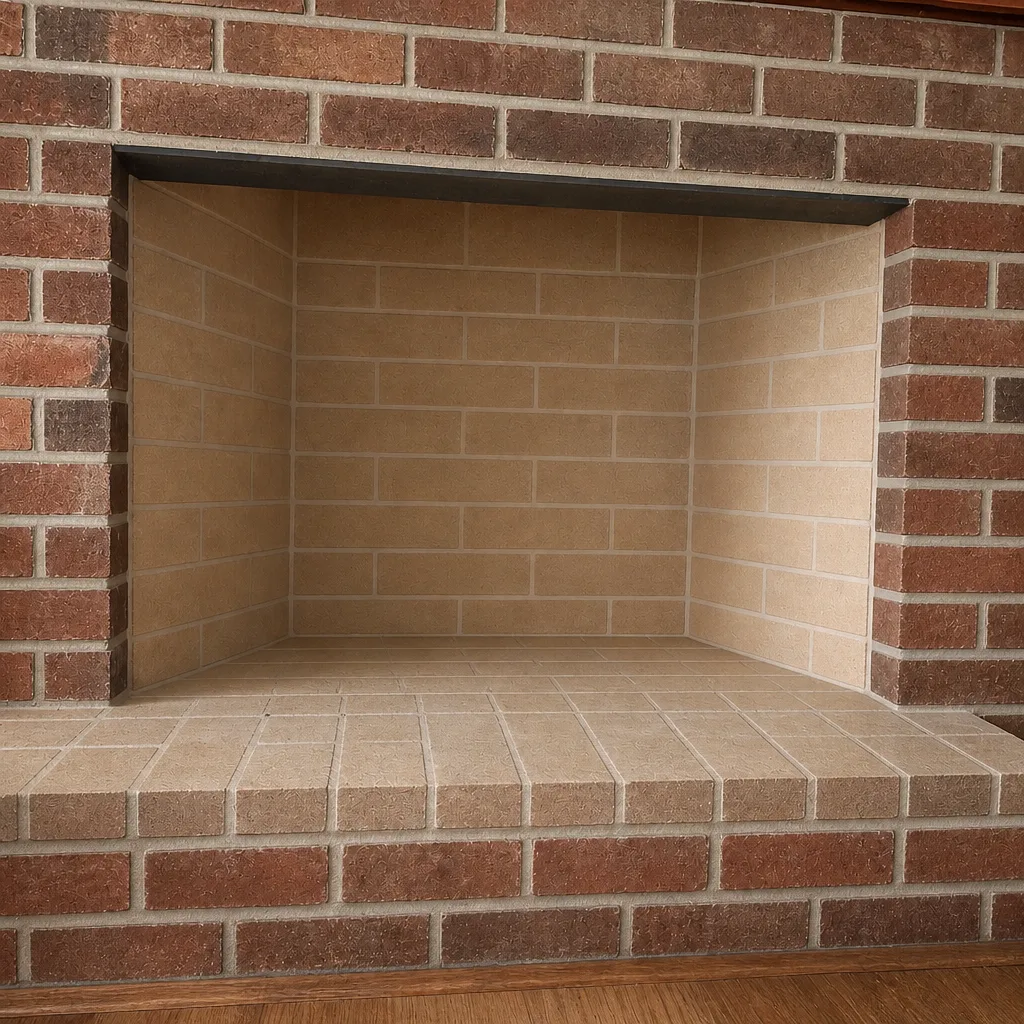
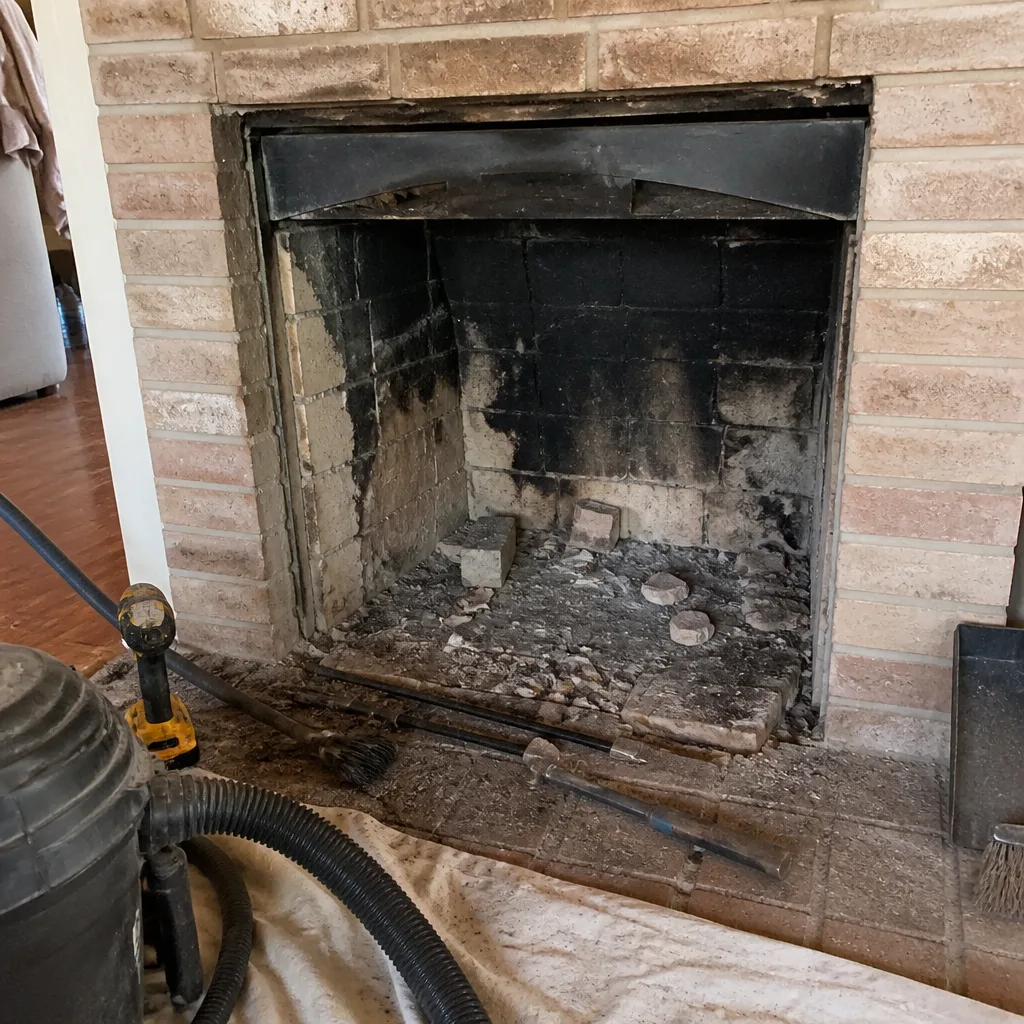
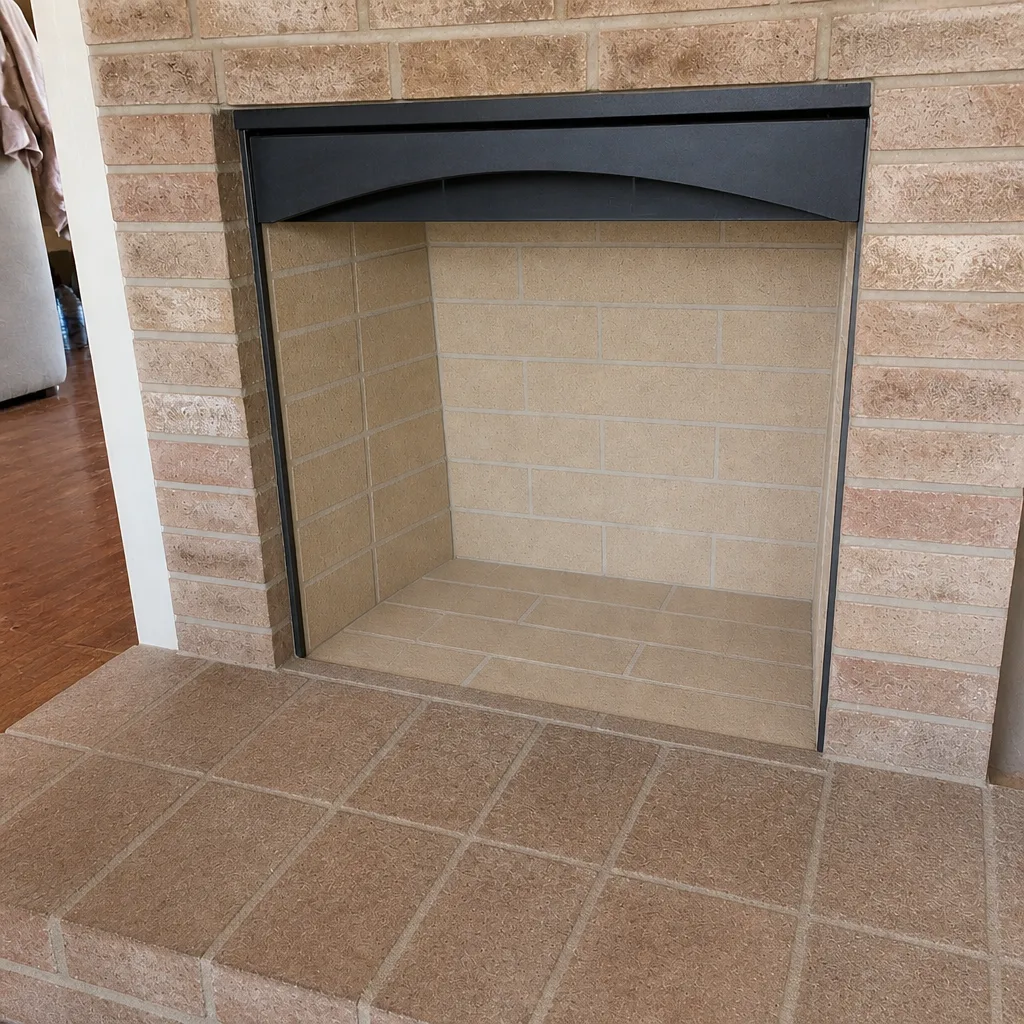
See the difference
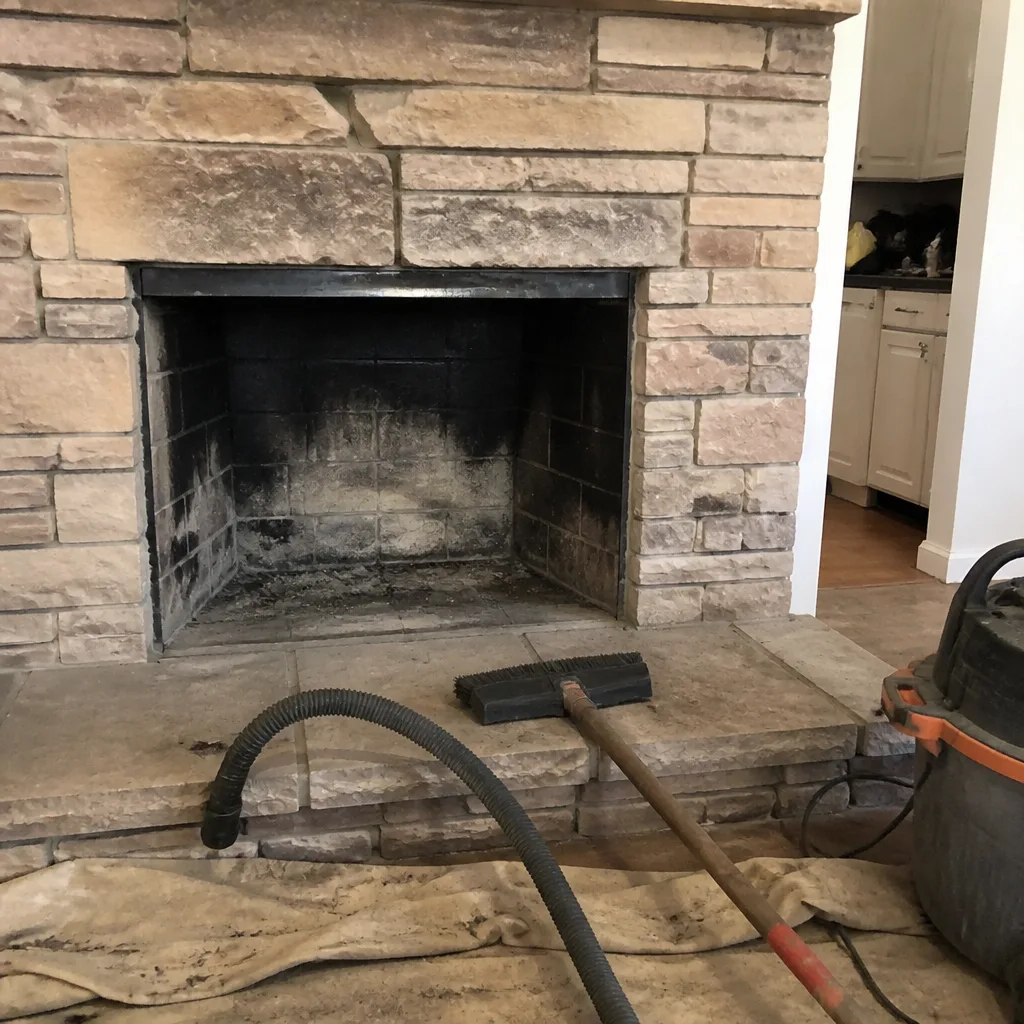 Before
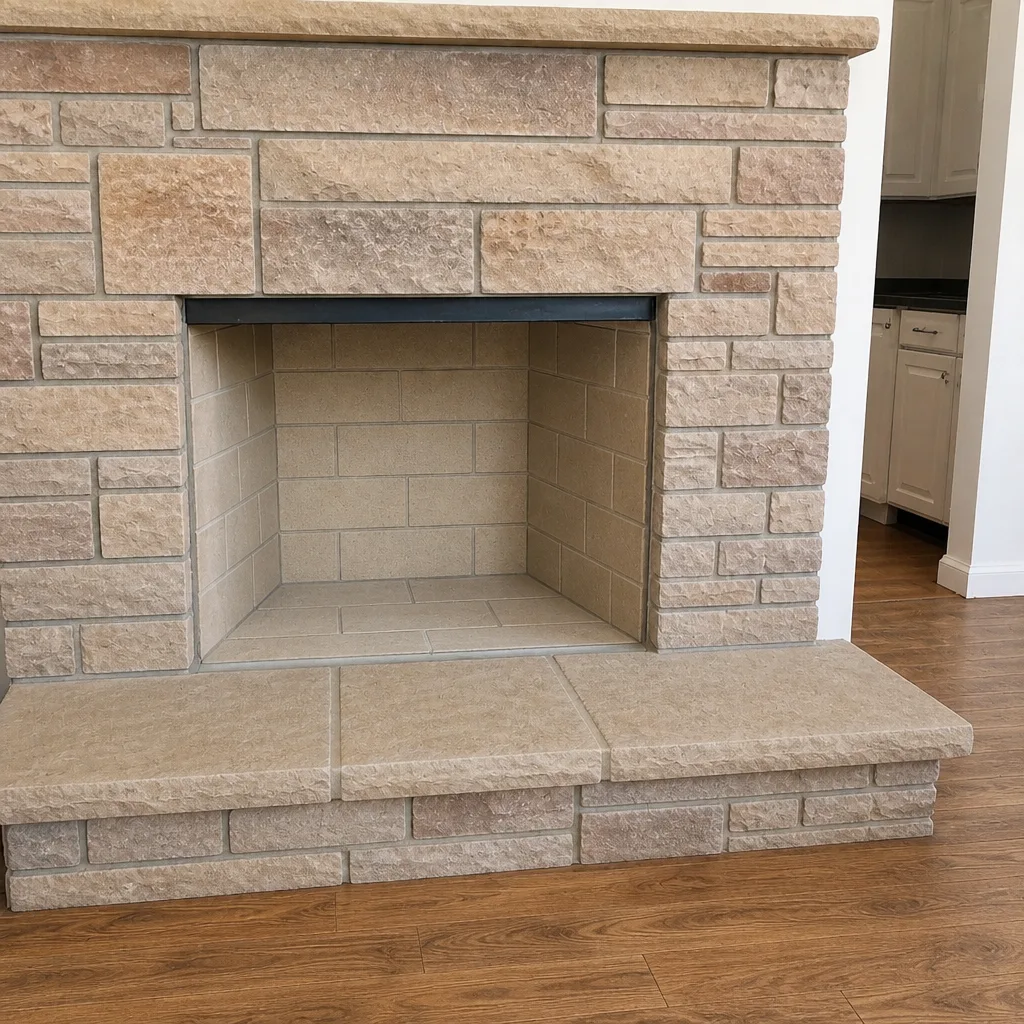 After
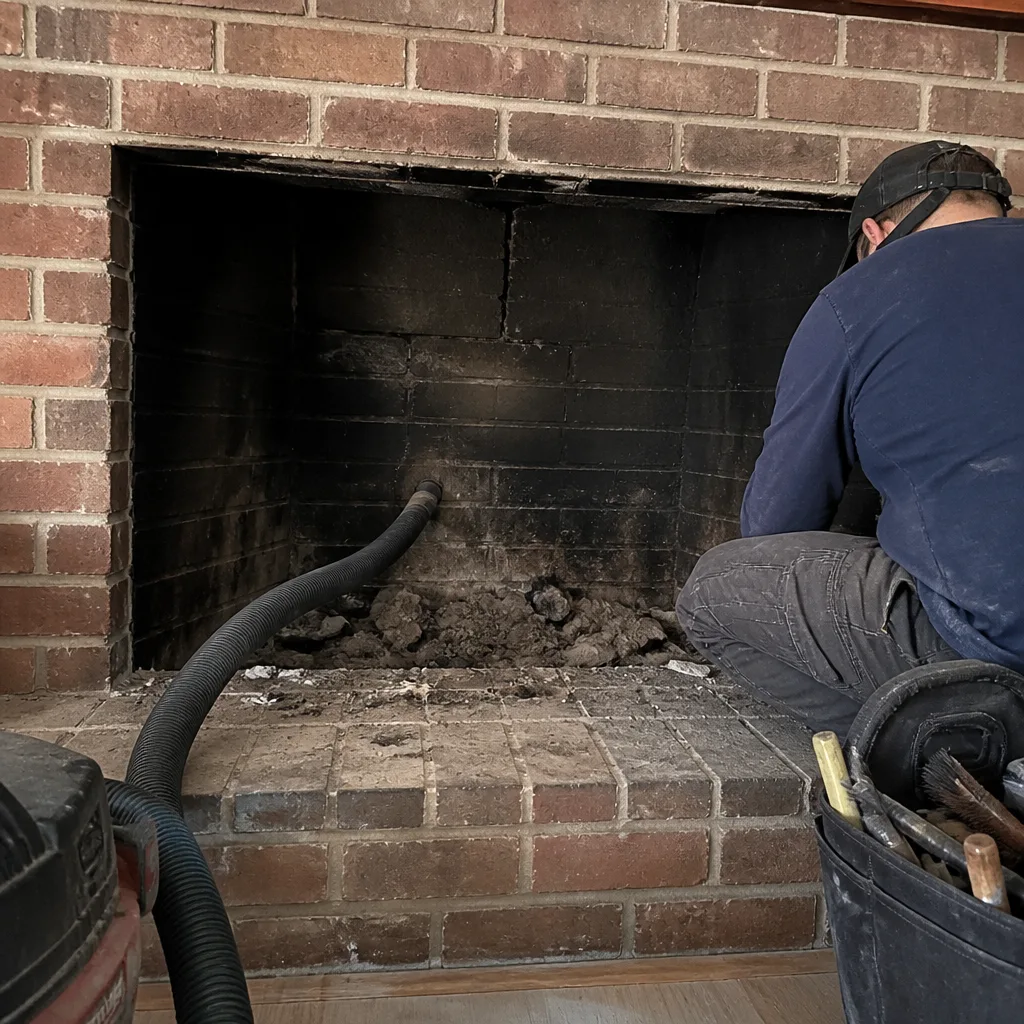 Before
 After
 Before
 After
When to Call a Professional
Some problems you should not diagnose on your own. Call a technician if you see smoke spilling into the room on a normal fire, if you smell a strong creosote odor when you haven’t had a fire going, if you can see or feel creosote thicker than 1/8 inch, or if your annual inspection or sweep is simply due. If your cap is missing or damaged, or you’re not sure of the state of the flue above the damper, that’s a camera inspection. Any suspected crack, spalling, or liner problem, and any structural change to the firebox or chimney, is a professional call. For a fire that involves any confusion about gas venting, don’t guess. These are situations where the right person looking at the right thing with the right tool is worth every dollar. Chimney Sweep Peoria offers free estimates in Peoria. Call (866) 618-5984. We answer 24/7. Fast dispatch from 7am to 7pm, Sunday through Friday.
Frequently Asked Questions
Once a year for most wood-burning fireplaces, more often if you burn over a cord of wood. The “as needed” trigger is the 1/8-inch rule: if creosote is thicker than that, it’s time to sweep regardless of when you last did. Gas inserts need an annual inspection, not necessarily a sweep. The right interval depends on burn volume, fuel type, and that long dormant stretch of summer, which is why we work from your usage pattern rather than a fixed date. Call (866) 618-5984 for an exact quote for your home; estimates are free.
Because in Peoria the chimney sits idle from about May through October, and that’s when nests, debris, and moisture damage accumulate unseen. A pre-season inspection catches a bird’s nest in the flue before it blocks the draft or becomes a fire hazard, and it confirms the cap and crown are doing their job. A post-season sweep clears what the season produced, but it won’t help if a blockage is waiting at the start. Call us to schedule the pre-season check; estimates are free.
You need it whenever there’s measureable creosote, a blockage, or a flagged defect, and the camera footage will show you exactly why. Nothing gets recommended without evidence you can see on screen. If the flue is clean and intact and the schedule says you have a year in front of you, we tell you so, because recommending work that isn’t needed is bad for everyone. Call (866) 618-5984 for an exact quote; estimates are free.
Because the risk with gas isn’t creosote, it’s venting integrity and combustion quality, both of which matter for carbon-monoxide safety. A direct-vent system or a lined flue can corrode, sag, or separate in ways you can’t see from the firebox, and an annual look catches that. Our technicians have up to 10 years of experience with gas venting systems, including Olympia Chimney and Famco products. Call (866) 618-5984 for an exact quote; estimates are free.
During burn season, check monthly: look up the flue from inside the firebox with a flashlight, inspect the firebox walls and damper for new cracks or white staining, watch how the smoke behaves on the first fire of the week, and check the cap from the ground with binoculars. Note what you see. Anything above the damper, from cracked tile joints to the liner itself, is outside what a flashlight check can reach. That’s a job for a camera inspection. Call (866) 618-5984 for an exact quote; estimates are free.
Yes, because creosote hardens over time and cracks widen. A fresh layer is removable with standard tools, but a hardened glassy one is a harder sweep and more of a fire risk. A hairline crack in a flue tile doesn’t heal; the heat cycles of normal fires widen it. Skipping a cycle compresses both problems and raises the chance a routine sweep turns into a repair. Call (866) 618-5984 for an exact quote; estimates are free.
The Bottom Line
A chimney maintenance schedule is not a single annual date on the calendar. It’s a schedule built around three things: your burn volume, your fuel type, and the way your chimney sits dormant all summer then takes a heavy load in winter. Wood-burning fireplaces need an annual sweep plus a camera inspection. Gas inserts need an annual inspection for venting and combustion safety. A pre-season check in Peoria, done before the season starts, is as important as the post-season sweep. And skipping a cycle never produces a flat cost; it compounds, so the next service call does more work. If you can see and confirm the problem on camera, you can trust the fix. Sweep, inspect, repair. One call. Chimney Sweep Peoria is here. Call (866) 618-5984. We answer 24/7. Fast dispatch from 7am to 7pm, Sunday through Friday. If you want to reach the Peoria team, get in touch for a free estimate and start with an inspection.
Written by the team at Chimney Sweep Peoria.