
Last updated November 15, 2026
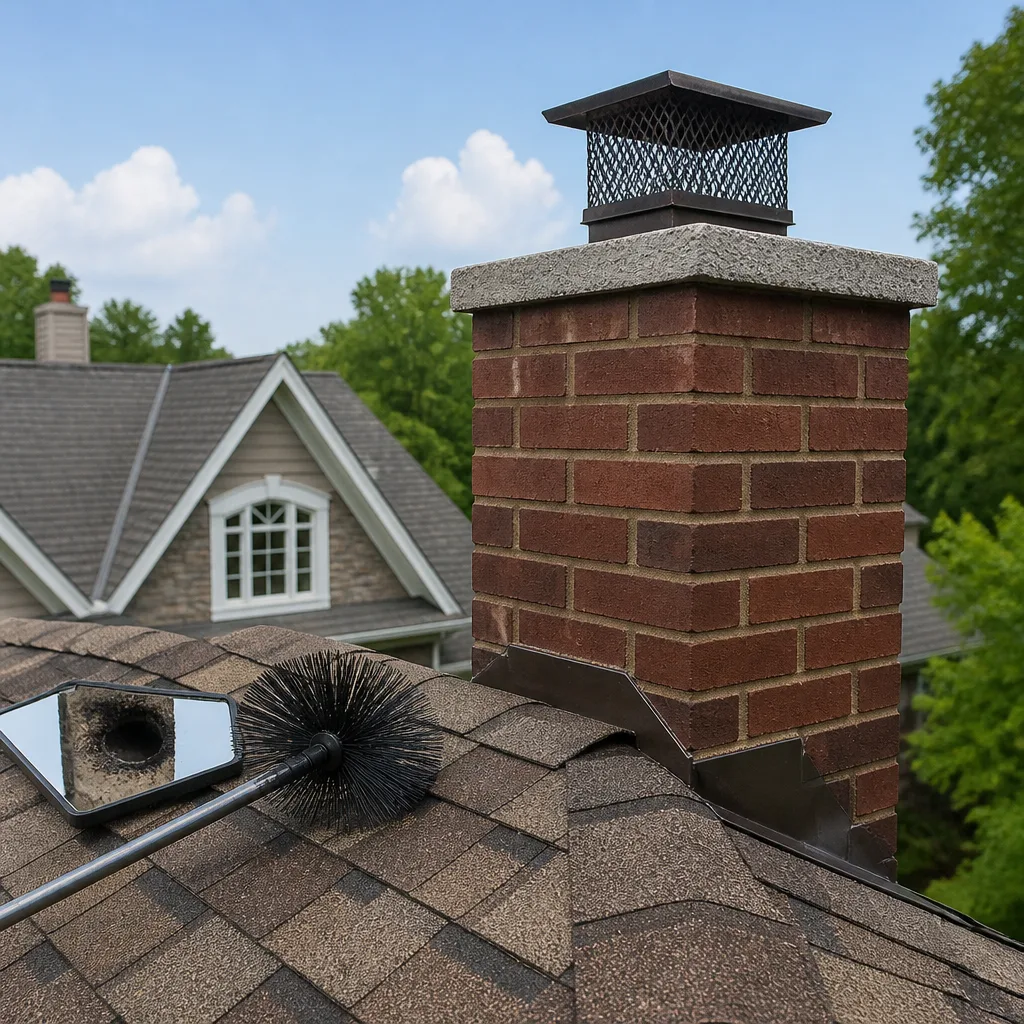 Sweep & inspection
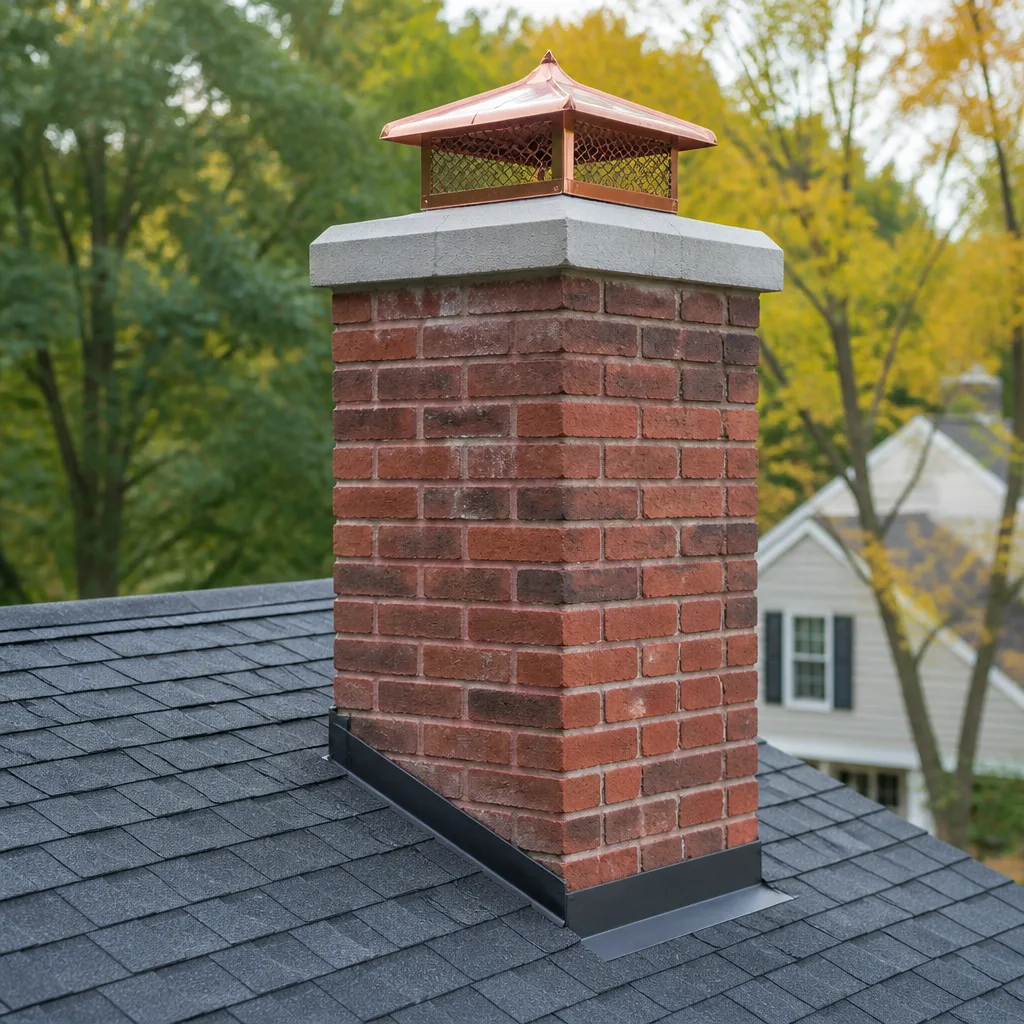 Caps & crowns
 Flue relining
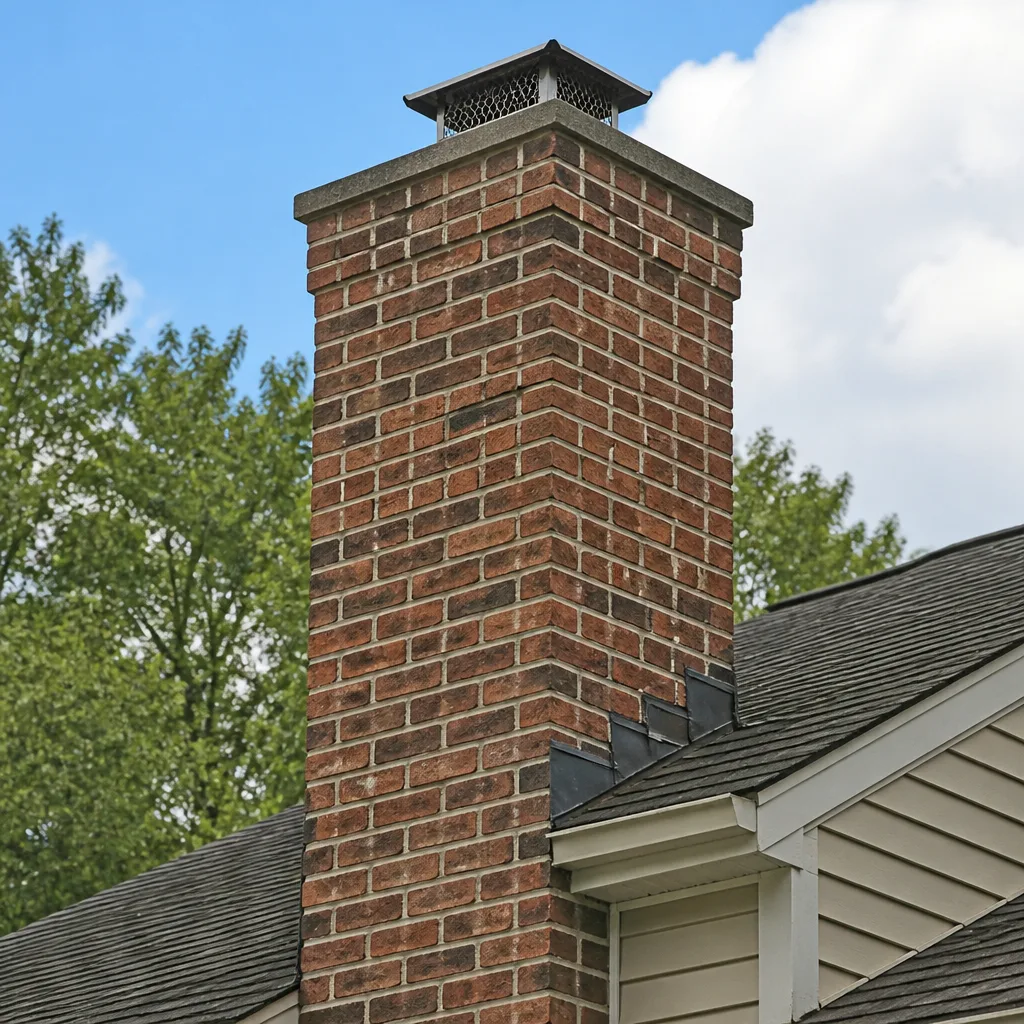 Masonry repair
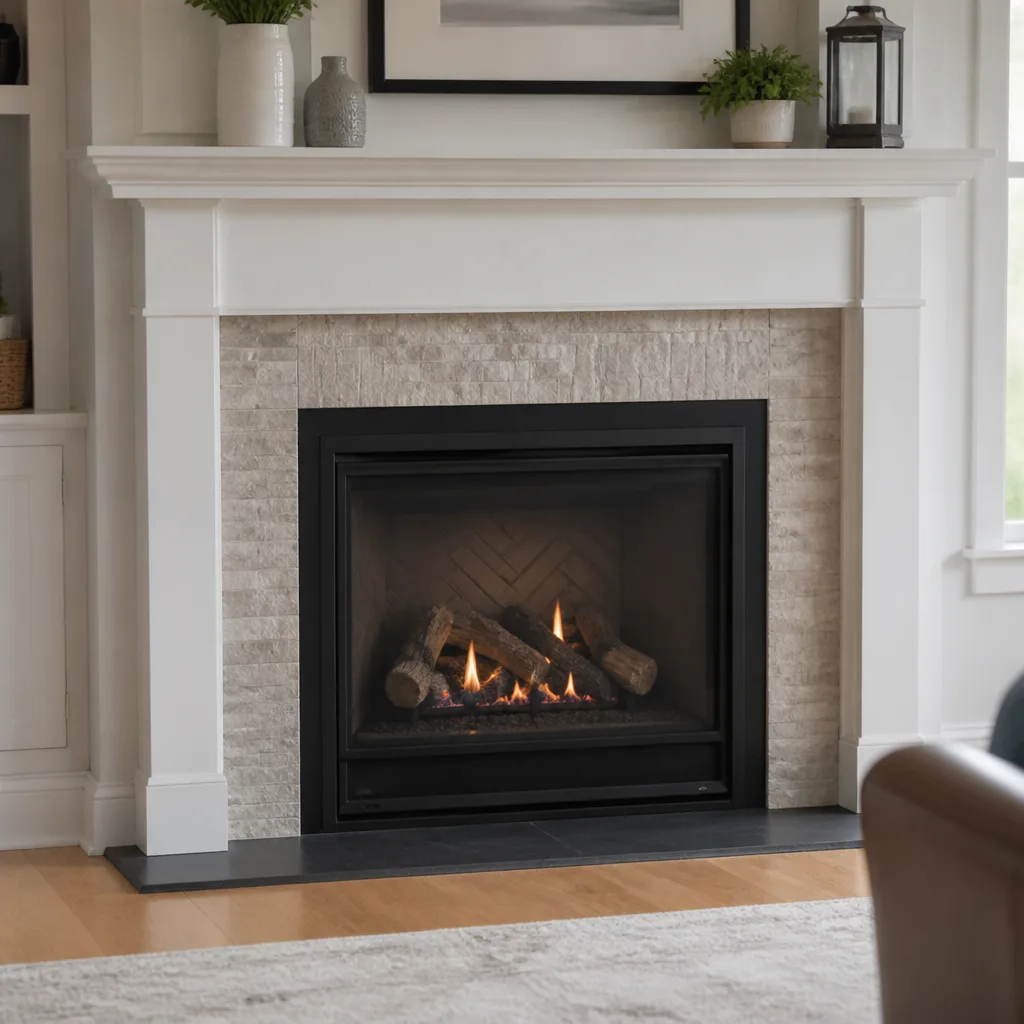 Gas fireplace service
Level 1 sweep and inspection to the NFPA 211 annual standard - flue, crown, cap, and flashing checked and photographed
Chimney sweep logs do not sweep chimneys. They loosen some creosote - which then falls where a brush and vacuum still have to collect it.
Chimney Cleaning Permits, Codes & Inspections in Peoria, AZ: What You Need to Know
Here’s the part that surprises people: the cleaning itself is the easy question. A routine sweep in Peoria almost never needs a permit. But the moment a technician tells you the flue liner is cracked or the firebox needs rebuilding, you’ve crossed a line that most homeowners never see coming – from maintenance into alteration, and from “no paperwork” into territory where city code, permit records, and your insurance policy all start to matter. This guide walks through where that line sits under Peoria’s adopted building codes, what NFPA 211 actually requires from an inspection, which repairs trigger a permit, and how unpermitted chimney work can follow a house all the way to the closing table. You’ll finish knowing exactly what to ask for and what to keep in your files.
Quick Answer
Routine chimney cleaning and sweeping in Peoria, AZ does not require a building permit – it’s maintenance, not construction. Structural work does: liner replacement, firebox reconstruction, crown rebuilds, and alterations to a prefab chimney all fall under the City of Peoria’s adopted building codes (based on the International Residential Code and International Fire Code) and typically need a permit plus inspection. Any alteration should be followed by a Level 2 inspection per NFPA 211, and you should keep that report with your home records.
Styles & brands we work with
- Sweep & inspection
- Caps & crowns
- Flue relining
- Masonry repair
- Gas fireplace service
Table of Contents
- Cleaning vs. Repair: Where the Permit Line Actually Sits
- What NFPA 211 Requires and How Arizona Adopts It
- Which Chimney Projects Trigger a Peoria Permit
- The Three Levels of Chimney Inspection
- How Unpermitted Chimney Work Affects Insurance and Resale
- What a Compliant Inspection Report Looks Like
- Why Peoria’s Climate Changes the Maintenance Schedule
- Records to Keep After Any Chimney Work
Cleaning vs. Repair: Where the Permit Line Actually Sits
The distinction that matters most in Peoria is between maintenance and alteration, and it’s the same distinction building departments use everywhere. Maintenance keeps a system working as designed. Alteration changes the system. One needs a brush and a vacuum. The other needs a permit, an inspection, and a paper trail.
Cleaning falls firmly on the maintenance side. Sweeping creosote from a flue, removing soot from a firebox, clearing a bird’s nest from the top of the chimney, vacuuming debris off the smoke shelf – none of that alters the structure, and none of it triggers a permit in Peoria or anywhere else in Maricopa County. Neither does a visual check of the cap, the damper, or the firebox brick.
Repair is different. The line gets crossed when the work involves:
- Liner replacement or relining – installing a new stainless system inside the existing flue, whether that’s a DuraFlex liner or any other listed product
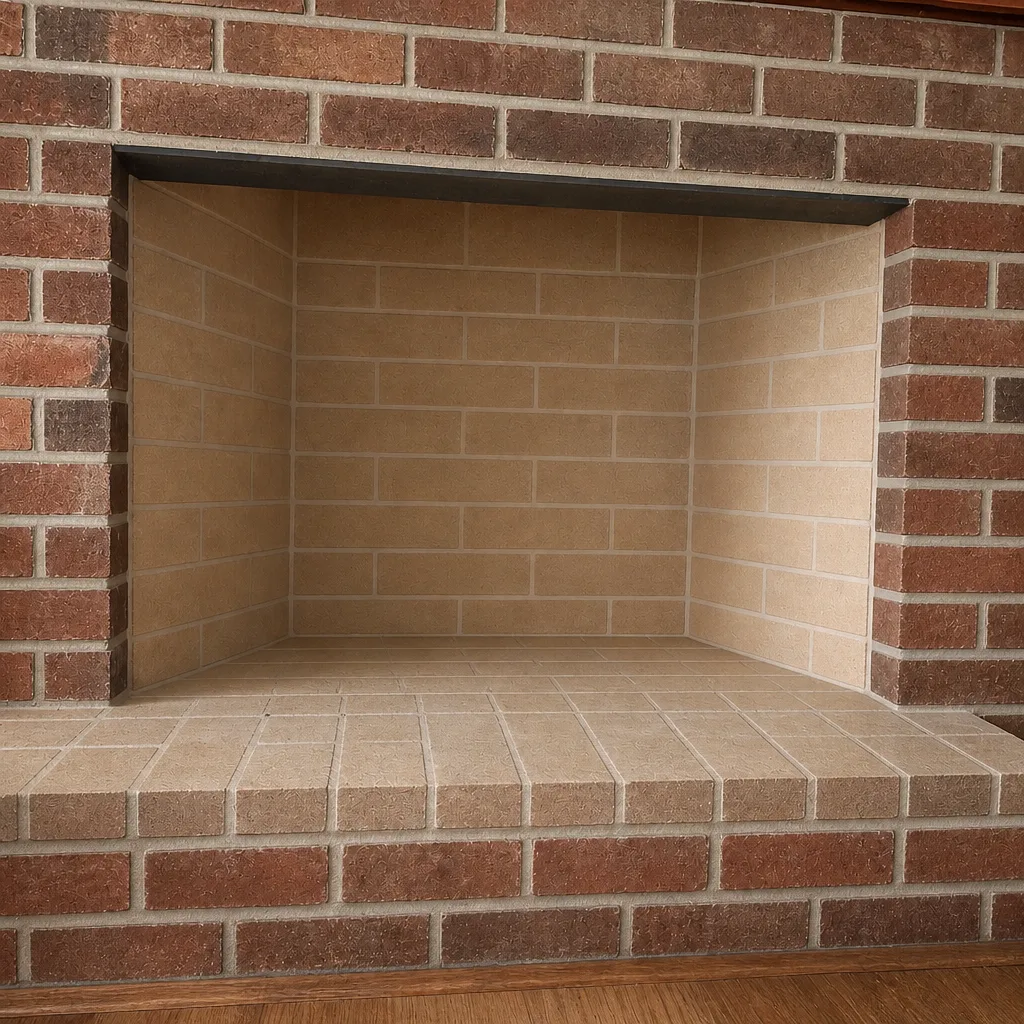
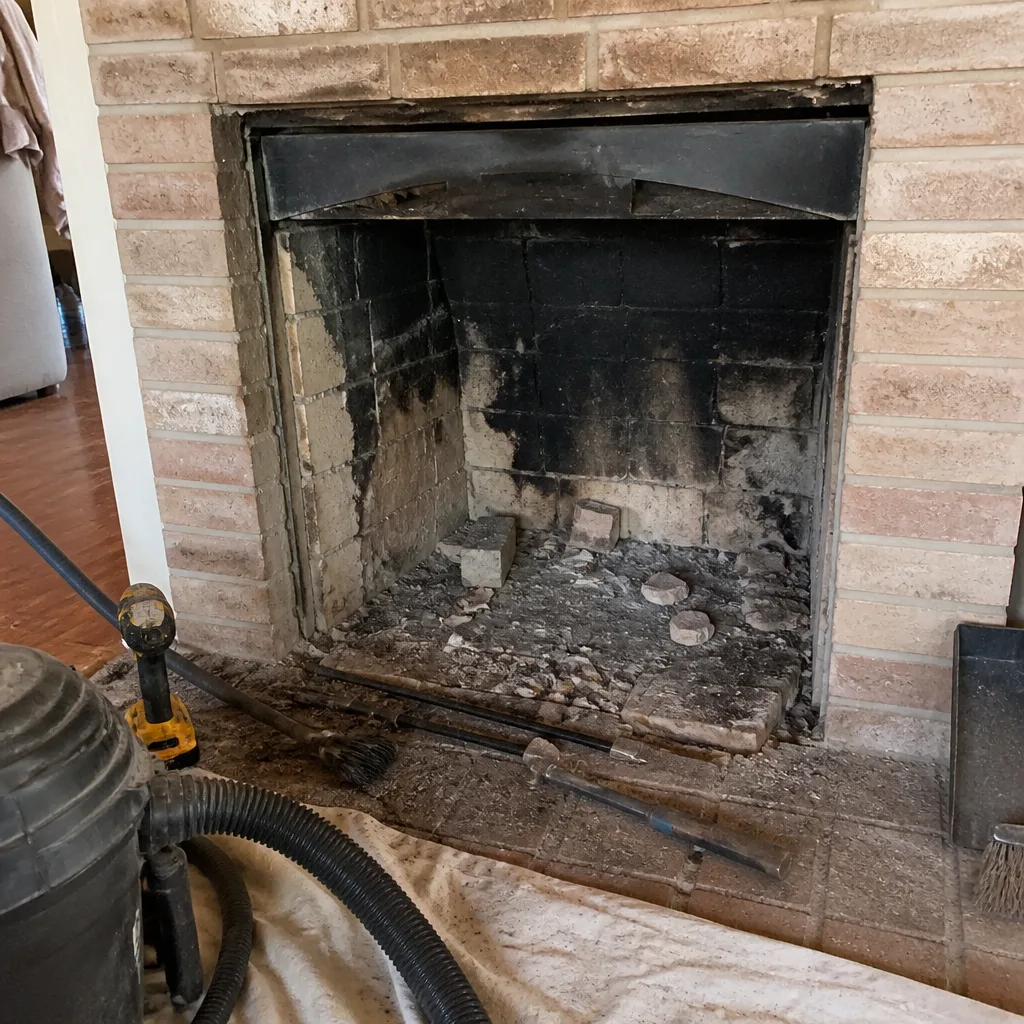
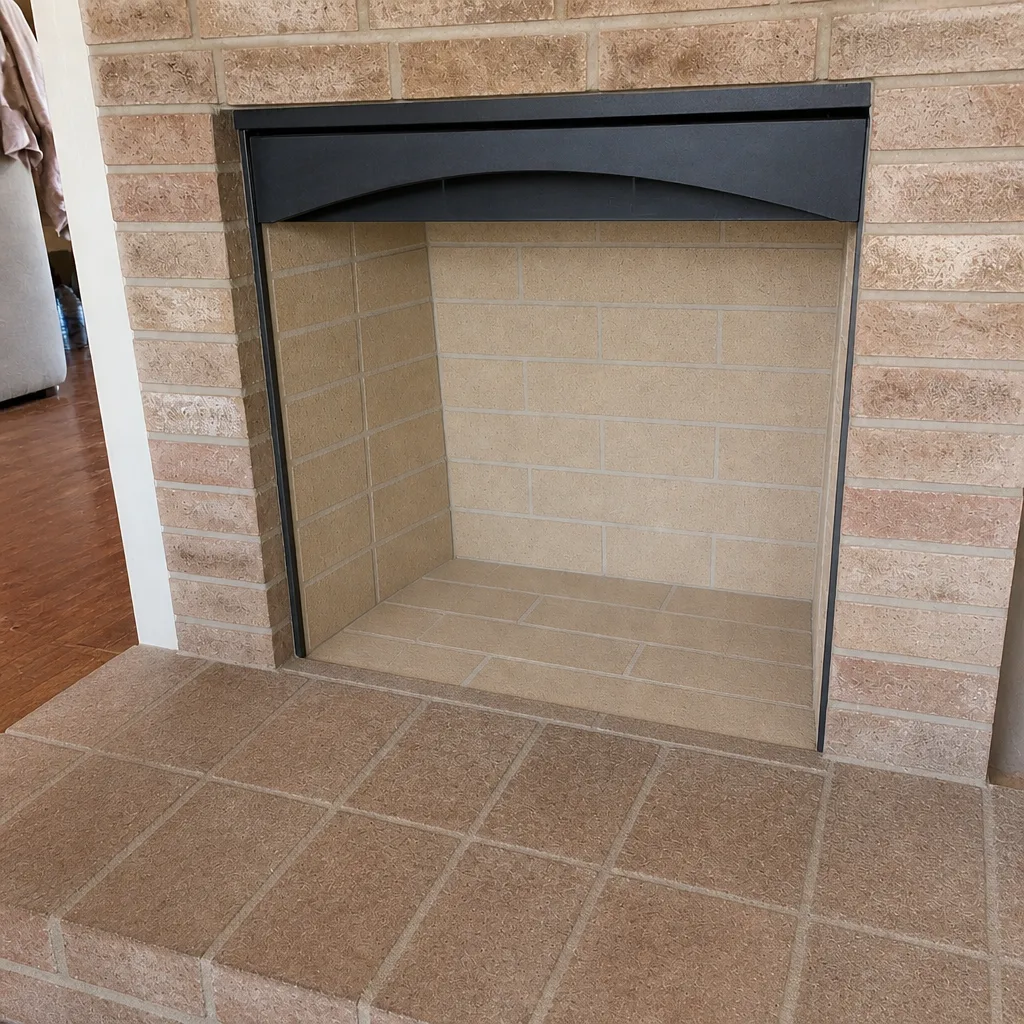
- Firebox reconstruction – rebuilding damaged brick or applying a resurfacing system like HeatShield to restore the firebox to its original shape
- Crown repair or replacement – the concrete cap at the top of a masonry chimney, which sheds water and holds the flue tiles in place
- Chase or framing alterations – cutting into a chase, changing clearances, or modifying how a prefab unit sits in the structure
- Appliance changes – swapping a wood-burning insert for a gas unit or vice versa, which changes venting requirements
Cap replacement is a gray area worth understanding. Swapping a damaged cap for a new Gelco chimney cap on an existing masonry chimney is usually treated as minor maintenance – it’s a surface-mounted component, not part of the structure. But if the crown itself is cracked and the cap has to come off to rebuild it, that’s structural repair and needs a permit. On a factory-built fireplace, the cap is often part of the listed assembly, and any change to it needs to follow the manufacturer’s instructions and usually a permit.
If you’re not sure which side of the line your chimney is on, that’s normal. The honest answer is that most homeowners can’t tell a hairline crack in a flue tile from a structural failure, and that’s exactly why a proper inspection comes before any repair quote. Our Chimney Sweep Peoria service starts with a camera inspection so the conversation is about what’s actually there, not what a salesperson says is there.
What NFPA 211 Requires and How Arizona Adopts It
NFPA 211 is the national standard for chimneys, fireplaces, vents, and solid fuel-burning appliances. It’s not a law in itself – it’s a model standard that jurisdictions adopt or reference. Arizona and its municipalities, including Peoria, build their local codes on the International Residential Code (IRC) and International Fire Code (IFC), and both of those documents reference NFPA 211 as the standard for chimney construction, inspection, and maintenance. When a Peoria inspector checks a chimney, NFPA 211 is generally the technical benchmark being applied.
What NFPA 211 actually requires comes down to a few practical rules:
- Chimneys must be inspected before use after any alteration, and at least annually during the heating season for solid-fuel appliances
- Chimneys must be cleaned when creosote reaches 1/8 inch of buildup – that’s the threshold where the standard calls for sweeping before further use
- Liners must be listed and properly sized for the appliance they serve, with no unlined flues allowed for new installations
- Clearances to combustibles must be maintained – the standard specifies distances from chimney walls to wood framing, and many older Peoria homes have concealed framing closer than code allows today
- Defects must be repaired before the appliance is used again – cracked tiles, deteriorated mortar joints, and damaged caps aren’t optional fixes
Arizona’s adoption is generally straightforward: the state and its cities adopt the model codes with local amendments, and NFPA 211 rides along as the referenced standard. What that means practically is that a chimney sweep or repair contractor working in Peoria should be able to tell you which code edition the city is currently enforcing and cite the relevant section when they tell you a repair is required. If a contractor can’t do that, ask why. The code is public record, and any honest specialist will point you to it.
We work to NFPA 211 because it’s the standard a Peoria inspector will hold the work to. The materials we use – DuraFlex liners, HeatShield resurfacing, Gelco caps, and products from Olympia Chimney and Famco – are listed for the applications they’re installed in, which is the whole point of using named, spec-documented products rather than generic supplies. A permit inspection goes faster and cleaner when the materials have published listings the inspector can look up.
Which Chimney Projects Trigger a Peoria Permit
Permit requirements vary by jurisdiction, so the answer to “does this need a permit in Peoria” is always “ask the city’s building department.” That said, the pattern across Arizona municipalities is consistent enough to give you a working expectation. Here’s how the typical projects sort out:
- Routine sweep and cleaning: No permit. This is maintenance.
- Level 1 or Level 2 inspection with a written report: No permit. Inspection is diagnostic.
- Masonry cap swap on an existing chimney: Usually no permit if it’s a direct replacement with no structural change.
- Liner installation or relining: Permit typically required. This alters the chimney’s venting system.
- Firebox reconstruction, including HeatShield resurfacing: Permit required in most cases, since it restores structural components of the firebox.
- Crown rebuild on a masonry chimney: Permit typically required. The crown is structural.
- Prefab fireplace or chimney chase replacement: Permit required, and often a manufacturer’s engineering document as well.
- Adding a new appliance or changing fuel type: Permit required, plus an inspection before the first fire.
The best way to know for certain in Peoria is to call the City of Peoria Building Safety Department before booking the work. A reputable chimney contractor will already know the answer and will pull the permit for you as part of the job. If a contractor suggests skipping the permit “because it’s a small job,” treat that as a reason to keep looking.
A note on permits and HOA rules
Some Peoria communities have homeowner association rules governing exterior appearance – cap style, chase materials, visible vent pipes. Those rules sit on top of the building permit, not instead of it. A permit doesn’t override an HOA restriction, so if your home is in a community with architectural review, check both.
The Three Levels of Chimney Inspection
NFPA 211 defines three levels of inspection, and knowing which one you need is the difference between a $150 visit and a proper diagnosis. Here’s how they break down:
- Level 1 inspection. A visual check of accessible portions of the chimney and venting with the appliance connected. This is the standard annual inspection for a chimney that’s in regular service with no known problems. It covers the firebox, damper, visible flue, cap, and exterior of the chimney.
- Level 2 inspection. Everything in Level 1 plus accessible areas of the attic, crawlspace, and other concealed spaces, typically including a video camera scan of the flue interior. A Level 2 is required after any alteration to the chimney, after a chimney fire, after a change in appliance or fuel type, and when a property is changing hands. This is the inspection your real estate transaction will ask for.
- Level 3 inspection. Everything in Level 2 plus removal of components or demolition of parts of the chimney to access concealed areas – for example, opening a wall to reach a chimney section hidden behind it. Level 3 is reserved for cases where a serious hazard is suspected and can’t be confirmed any other way.
For permit documentation in Peoria, a Level 2 inspection is almost always the report that satisfies the building department and the eventual buyer’s inspector. It includes a written report and photos of the flue interior, and it establishes a documented baseline for the condition of the system at a specific point in time. That’s the piece most homeowners don’t have until they need it.
Our technicians have up to 10 years of experience performing these inspections with camera equipment, and we go through the footage with you rather than handing over a report with no explanation. If the flue looks fine, we’ll tell you that. If there’s a cracked tile the size of a quarter halfway down, you’ll see the photo. The inspection isn’t a sales tool – it’s a diagnostic.
How Unpermitted Chimney Work Affects Insurance and Resale
This is where the permit question stops feeling like paperwork and starts costing real money. Homeowner’s insurance policies typically include language requiring the insured to maintain the property in code-compliant condition, and they often exclude or limit coverage for damage arising from work that wasn’t permitted or inspected where a permit was required. If a chimney liner was installed without a permit and the installation later contributes to a fire, the claim can get complicated fast. Some carriers will pay, some will deny, and some will pay and then subrogate or non-renew the policy. The outcome depends on the specific policy language and how the claim adjuster reads it.
The resale problem is more common and usually more expensive than the insurance problem. Buyers’ inspectors flag unpermitted work routinely, and once flagged, the work has to be re-inspected and documented before the transaction closes. That means:
- An inspection by the city or a licensed contractor, paid by the seller
- Possibly opening up the chimney chase to confirm the installation matches code
- Re-doing portions of the work if the original installation doesn’t meet current code
- A delay in closing while the documentation is assembled
None of that is insurmountable, but all of it is avoidable. When a Peoria homeowner hires a chimney contractor to reline a flue, getting a permit adds a small amount of paperwork and a scheduled inspection, and it produces a record that the work was done correctly. That record is what a future buyer’s inspector will want to see. It’s also the record that protects you in an insurance claim. The same logic applies when a contractor recommends structural chimney repair – the permit and inspection are part of the repair, not an add-on.
The lesson in our experience: it’s the permit record, not the invoice, that keeps the work defensible when someone else examines it.
What a Compliant Inspection Report Looks Like
A report that satisfies a building inspector or a buyer’s agent isn’t the same as a contractor’s handwritten notes. Here’s the anatomy of a documented inspection:
- Identifying information. Property address, date of inspection, name of the inspecting company, and the name of the inspector who performed the work.
- Level of inspection performed. Explicitly stated – Level 1, Level 2, or Level 3 – with a brief description of what was covered.
- System description. Type of chimney (masonry or prefab), appliance served (fireplace, insert, wood stove, gas unit), venting configuration, and liner type.
- Photo documentation. Exterior views of the cap and crown, firebox interior, damper, visible flue, and (for a Level 2) camera images of the entire flue from top to bottom.
- Findings. A clear list of what’s in good condition, what’s in marginal condition, and what’s defective. “Marginal” is important – it tells you what’s likely to need attention next year, so you can plan instead of being surprised.
- Recommendations with priorities. Which items need repair before further use, which can wait, and which should be monitored. A good report distinguishes between the three.
- Contractor signature and contact information. The report should be traceable back to the company that produced it.
If you receive a report that says “your liner needs replacement” without photos, or one that quarantines the chimney without explaining what’s wrong in specific terms, ask for the documentation. Any reputable chimney specialist will produce it. The report is the foundation of the eventual repair conversation, and it’s the document you hand to the permit office and the buyer’s inspector.
For homeowners getting ready for the season, that sweep and inspection is the right starting point. If you’re in Peoria and haven’t had a look inside the flue this year, a chimney sweep with a Level 1 or Level 2 inspection will tell you what’s actually there.
Why Peoria’s Climate Changes the Maintenance Schedule
Peoria’s summer heat affects chimneys differently than most of the country, and the maintenance schedule should reflect it. A few things we think about here that generic national advice misses:
- Dust and debris buildup. Desert wind carries fine dust that settles on the smoke shelf and edges of the damper. It mixes with creosote residue and can thicken buildup faster than in wetter climates. Sweeping before the first fire of the season clears it.
- Creosote curing and hardening. Creosote deposited in spring hardens through summer heat and becomes more difficult to remove in fall. A sweep in early autumn is often easier on the flue interior than one done after a full season of curing. It’s a general pattern, not a rule, but it holds in Peoria often enough to plan around.
- Dry chimney caps and mortar. The intense sun and low humidity of the Sonoran desert cause mortar joints on the chimney cap to dry and crack over time. Cracks in the crown let monsoon rain into the chase, which dry-cures back out with the summer heat – a cycle that slowly degrades the masonry. A cracked crown is one of the more common findings in Peoria inspections, and it’s usually a small fix if caught early.
- Monsoon season water intrusion. July through September storms push rain sideways against chimneys. A well-seated cap like a Gelco unit keeps most of it out, but a loose cap or a deteriorated crown can let water into the flue, where it combines with soot and forms a corrosive slurry on the firebox. Checking the cap before monsoon season is easier than repairing the firebox after.
- Winter season length. The wood-burning season in Peoria is short compared to colder climates, which means fires tend to be concentrated into a few months. That’s easier on the chimney overall, but it also means the creosote from a season’s worth of fires can go unnoticed during the off-season. A pre-season sweep catches it.
What this adds up to in practice: a yearly sweep and inspection is the right baseline in Peoria, and it’s worth having the chimney checked before the summer monsoon rather than only in autumn. Many people do both: a quick top-side check before storm season and a full sweep in early fall. If you’re new to the area, the local patterns are worth learning – they’re not the same as what you’d follow in a wetter, colder climate.
Records to Keep After Any Chimney Work
Chimney records tend to matter at exactly the moment you don’t have them: when you’re selling, when you’re filing a claim, or when a new contractor needs to know what was done. Here’s what’s worth keeping in the home file:
- The inspection report from every Level 1, 2, or 3 inspection, including photos
- The permit number and final inspection sign-off from any permitted work, including the inspector’s name and date of sign-off
- Receipts and manufacturer documentation for any material installed – the DuraFlex liner spec sheet, the HeatShield documentation, the Gelco cap model number, and any Famco or Copperfield parts used
- Service records showing the date of each sweep, the contractor, and the condition found at the time
- Photos of the flue interior from before and after any repair
These records are what turn a chimney from an unknown quantity into a documented system. When a buyer’s inspector sees a flue with a permit record and a camera photo from two years ago showing the liner in good condition, the inspection questions get easier. When an adjuster is evaluating a fire claim, a sweep record showing the chimney was cleaned on schedule moves the conversation toward coverage. The paperwork is boring. It’s also the difference between a defensible claim and a difficult one.
One practical suggestion: keep the records digitally. Photos and PDFs of permit sign-offs live forever in a cloud folder, and they’re easy to send when needed. If you’re in Peoria and any of this rings a bell as a gap in your records, it’s worth a call to sort out this season rather than later.
Common Mistakes to Avoid
- Skipping the permit on a liner replacement because the contractor offers “no paperwork.” The permit exists to protect you, not the contractor. If a Peoria contractor is willing to reline your flue without one, ask what else they’re skipping.
- Assuming a sweep is the same as an inspection. They’re different services with different purposes, and a sweep without an inspection can miss cracked tiles or a failing liner. Ask for both, and ask for the written report.
- Trusting a repair recommendation without camera evidence. A photo of the flue interior takes a minute to capture and makes the recommendation verifiable. If there’s no photo, ask for one before agreeing to the work.
- Replacing the cap without checking the crown. A new Gelco cap on a cracked crown just hides the crack. Peoria’s sun-and-monsoon cycle makes crown cracks common, and the repair is straightforward when it’s caught. Ask for both.
- Filing a claim or selling a home without the chimney records. Permit sign-offs, inspection reports, and material spec sheets are the documents adjusters and buyers ask for. Without them, the process gets slower and more expensive.
- Doing a Level 1 inspection when a Level 2 is required. After any alteration, after a chimney fire, or when you’re selling, the standard is a Level 2. A Level 1 in those situations won’t satisfy the eventual reader of the report.
- Putting off a repair because the chimney “still works.” A chimney with a cracked liner or a deteriorated firebox still drafts – right up until it doesn’t. The functional test isn’t a safety test, and the only way to know is to look.
See the difference
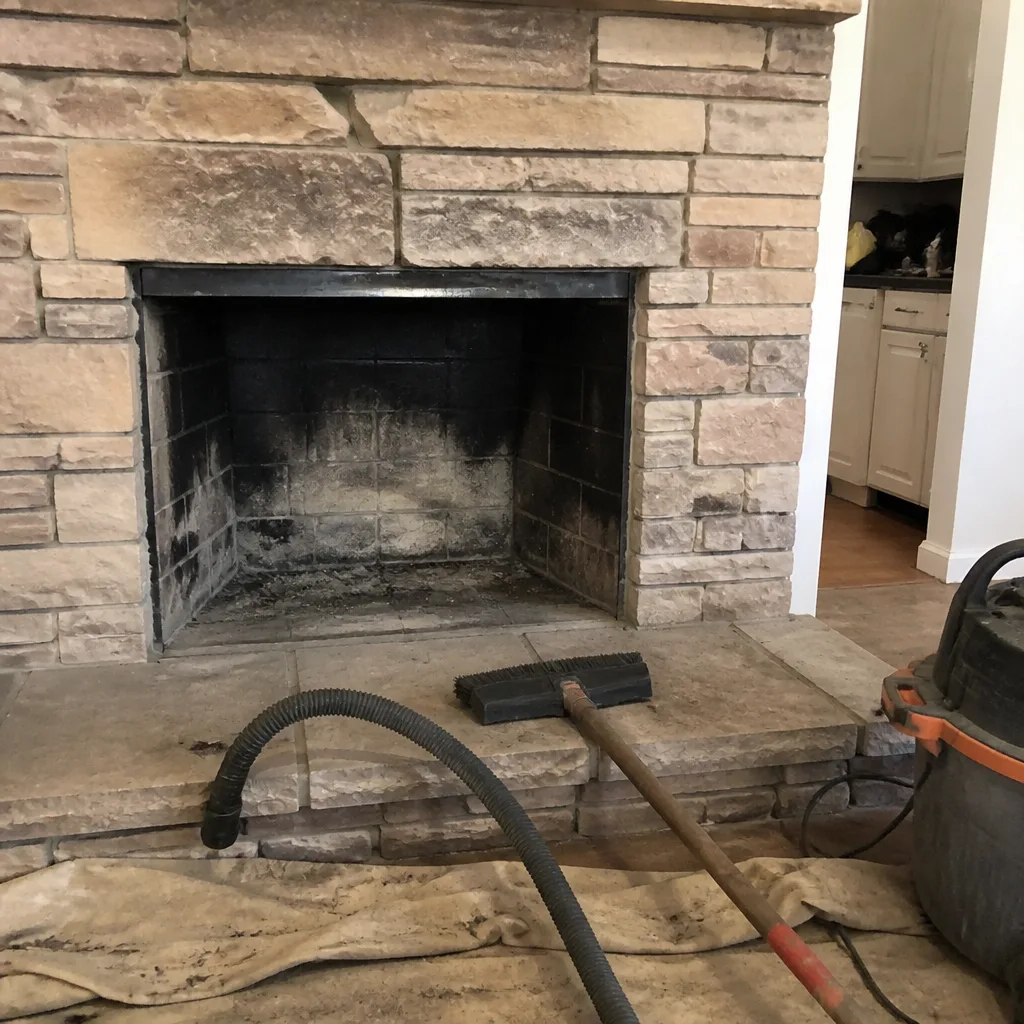 Before
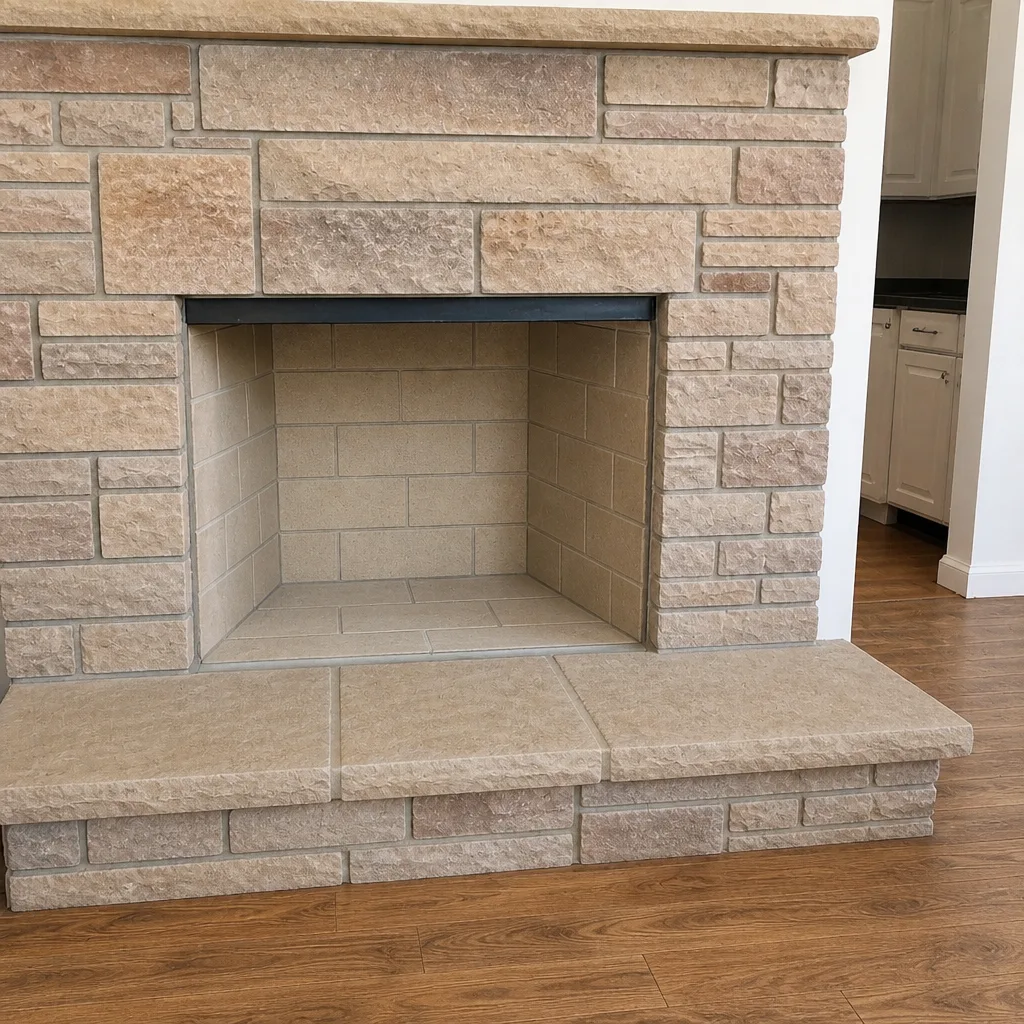 After
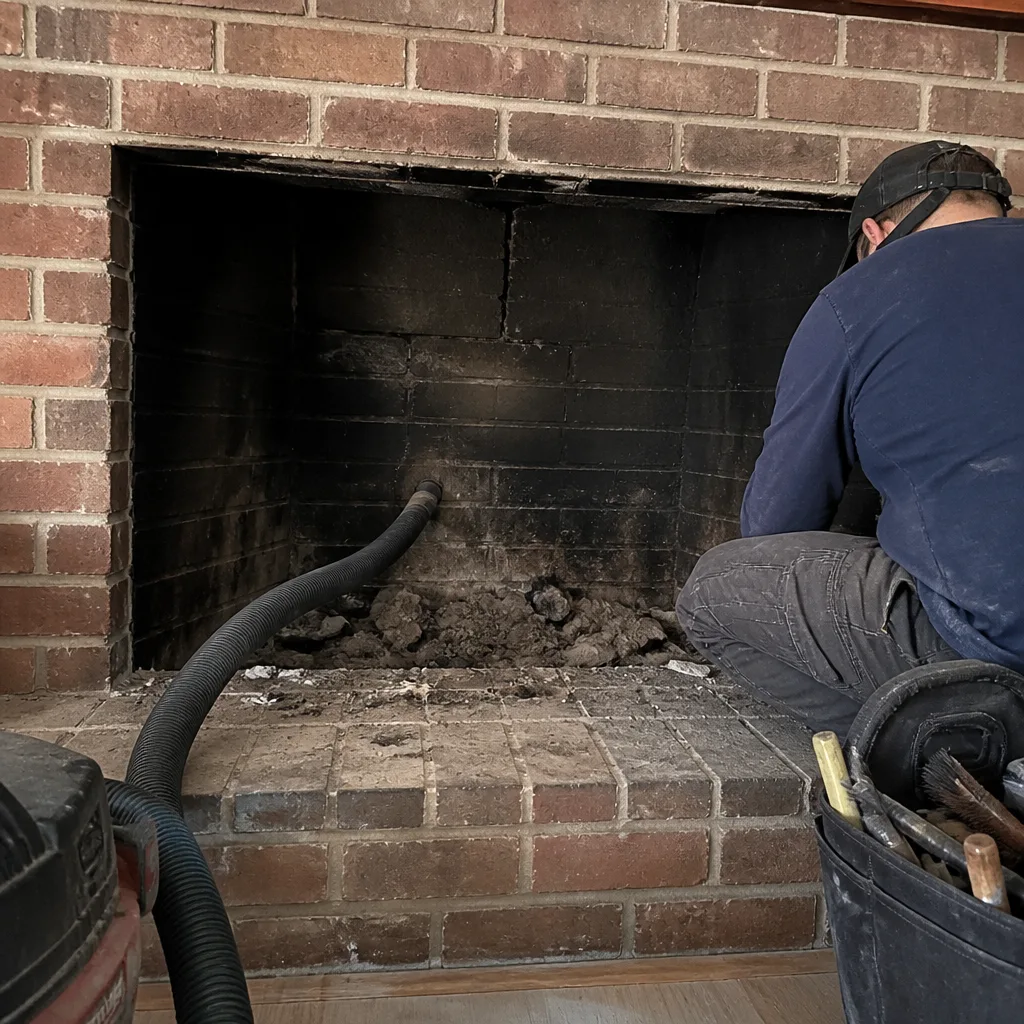 Before
 After
 Before
 After
When to Call a Professional
Some chimney work can wait. Some can’t. Call a professional if you’re seeing any of the following: a strong creosote smell in the room with the fireplace even when it’s not in use, visible cracks or crumbling in the firebox or the flue, dark staining on the exterior of the chimney chase, a cap that’s missing or sits loose, water coming down the flue during rain, or smoke backing into the room when you light a fire. Any of those suggests a real issue that a visual check from the ground won’t answer. You should also call before the first fire of the season if the chimney hasn’t been inspected in a year or more, and after any chimney fire – even a small one, even one you think put itself out. Chimney Sweep Peoria offers free estimates in Peoria – call (866) 618-5984. We answer 24/7. Fast dispatch from 7am to 7pm, Sunday through Friday.
Frequently Asked Questions
No. A routine chimney sweep is maintenance, not construction, and does not require a building permit in Peoria. The permit line gets crossed when work becomes structural or alters the venting system – liner replacement, firebox reconstruction, crown repair. Call (866) 618-5984 for an exact quote – estimates are free.
In most cases, yes. Replacing or installing a chimney liner alters the venting system and is treated as construction work under the City of Peoria’s adopted building codes. The permit includes an inspection of the installation before the chimney is put back into service. Call (866) 618-5984 to schedule an inspection and get a written estimate before any work begins.
A Level 2 inspection per NFPA 211. Any alteration to the chimney – liner installation, firebox reconstruction, crown repair, or appliance change – calls for a Level 2, which includes a camera scan of the flue interior and photos for documentation. The same standard applies after a chimney fire and when a home is being sold. Call (866) 618-5984 for an exact quote – estimates are free.
Yes, and this is the most common way homeowners get caught. Buyers’ inspectors flag unpermitted work routinely, and the seller typically has to pay for re-inspection and documentation before closing. In some cases portions of the work need to be redone to current code. The permit record is what makes the resale process smooth. Call (866) 618-5984 if you need a documented inspection before listing.
Often, yes. Many policies include code-compliance language that can limit or complicate coverage when damage arises from unpermitted work. The outcome depends on the policy and the claim, but the safest posture is to have the permit and inspection records on file so the claim adjuster can see the work was done to code. Call (866) 618-5984 for help assembling documentation for a claim.
Once a year for a chimney in regular use, and before the first fire of the season if it’s been more than a year. NFPA 211 sets the creosote threshold at 1/8 inch of buildup. In Peoria’s climate, the pre-monsoon and early-fall checks catch most issues before they become structural. Call (866) 618-5984 to book a sweep – the estimate is free.
The Bottom Line
Routine chimney cleaning in Peoria is maintenance and needs no permit. Structural repairs, liner replacement, firebox reconstruction, and crown work do – and the inspection record that follows is what protects you at resale and in an insurance claim. NFPA 211 is the technical standard a Peoria building inspector will apply, and a Level 2 inspection is what documents the work correctly after any alteration. Keep your records. Ask for photos. Verify the permit. None of this is complicated, but all of it is easier to handle before the season than after.
Contact
If you’re ready to get the system checked – or you’re not sure whether your chimney needs a sweep, an inspection, or something else – give us a call. We handle sweep, inspect, and repair under one contractor, using professional-grade materials from DuraFlex, HeatShield, Gelco, Olympia Chimney, Famco, and Copperfield, so the same team that finds a problem can fix it. Call (866) 618-5984 for a free estimate. We answer 24/7. Fast dispatch from 7am to 7pm, Sunday through Friday.
Written by the team at Chimney Sweep Peoria.