
Last updated November 15, 2026
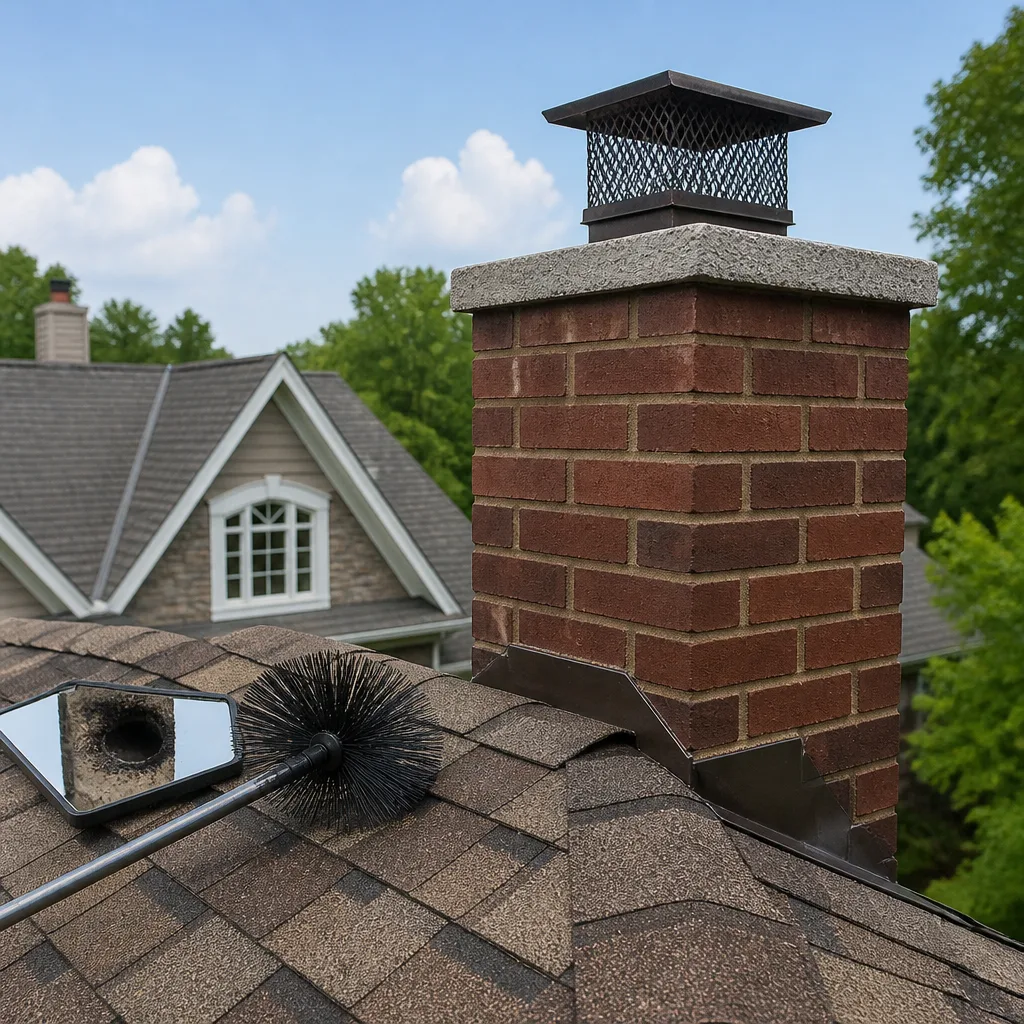 Sweep & inspection
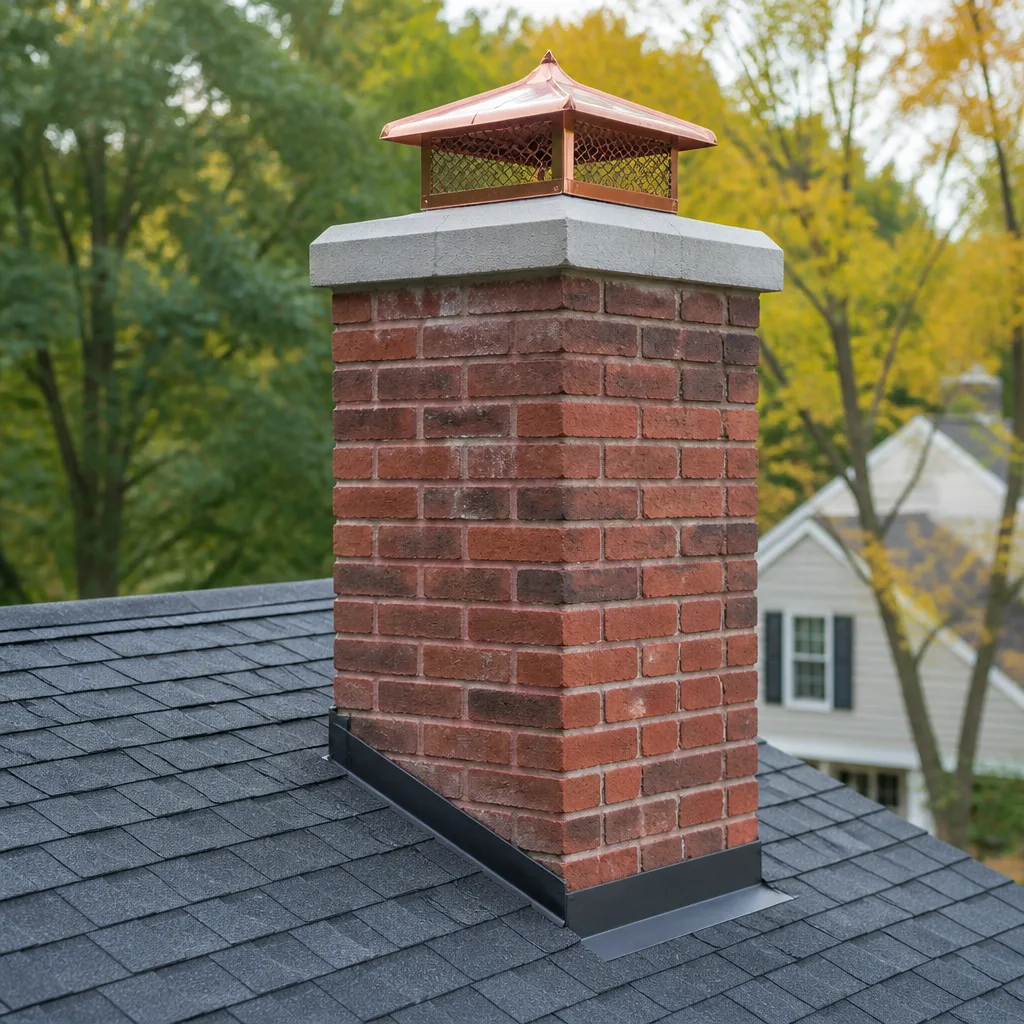 Caps & crowns
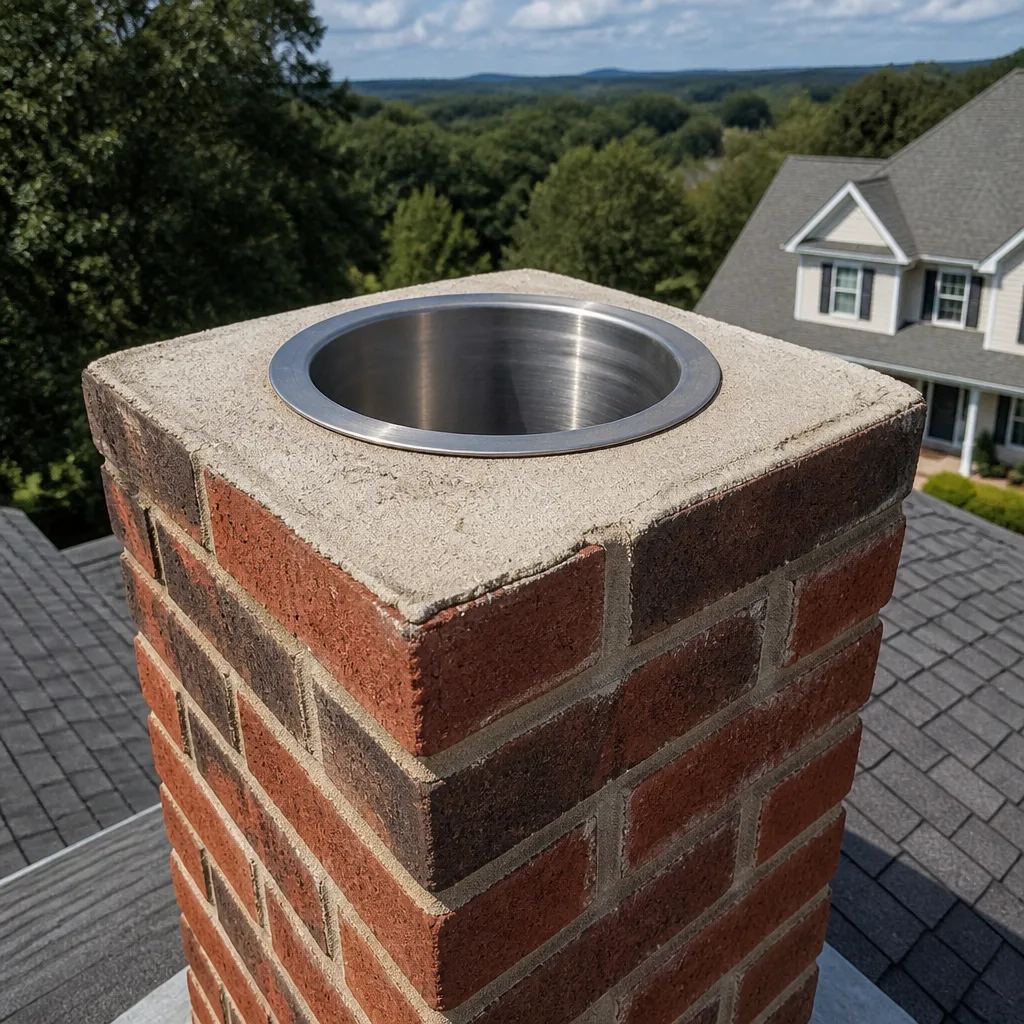 Flue relining
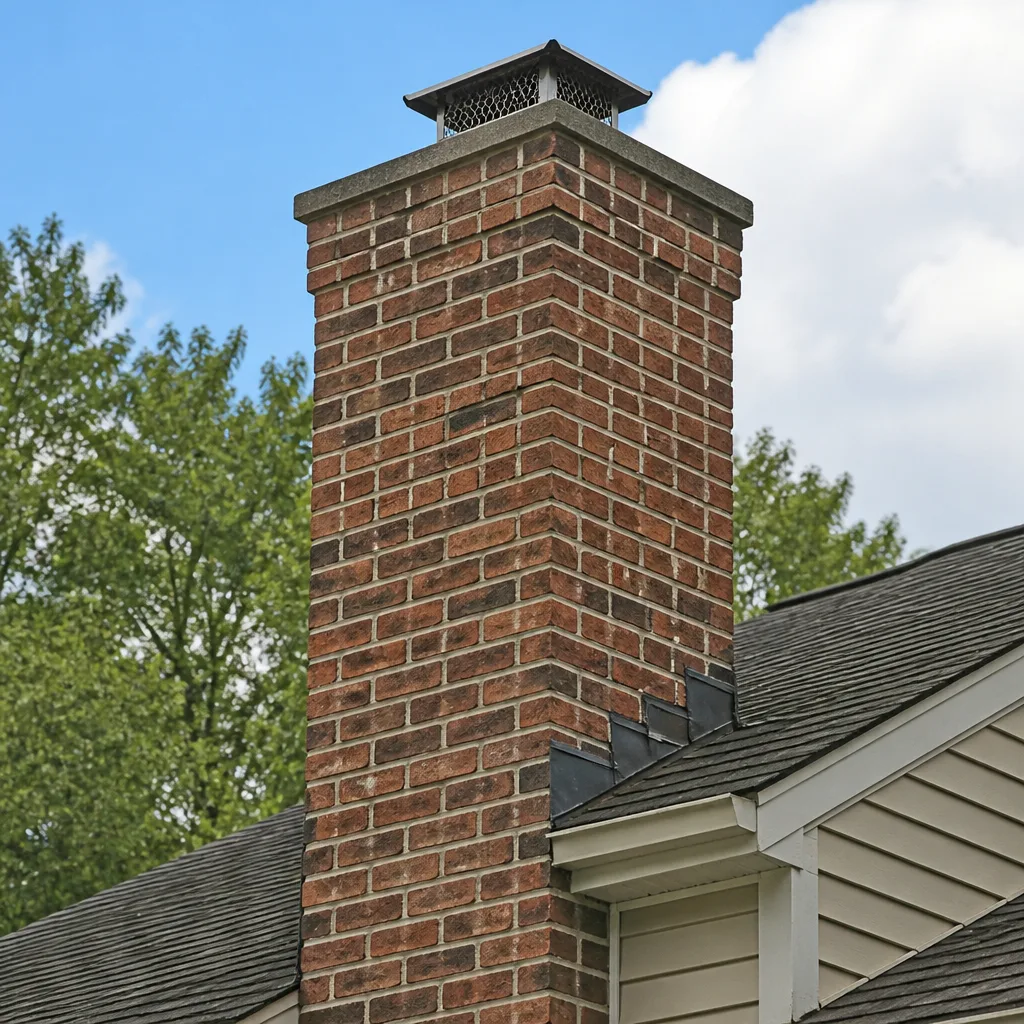 Masonry repair
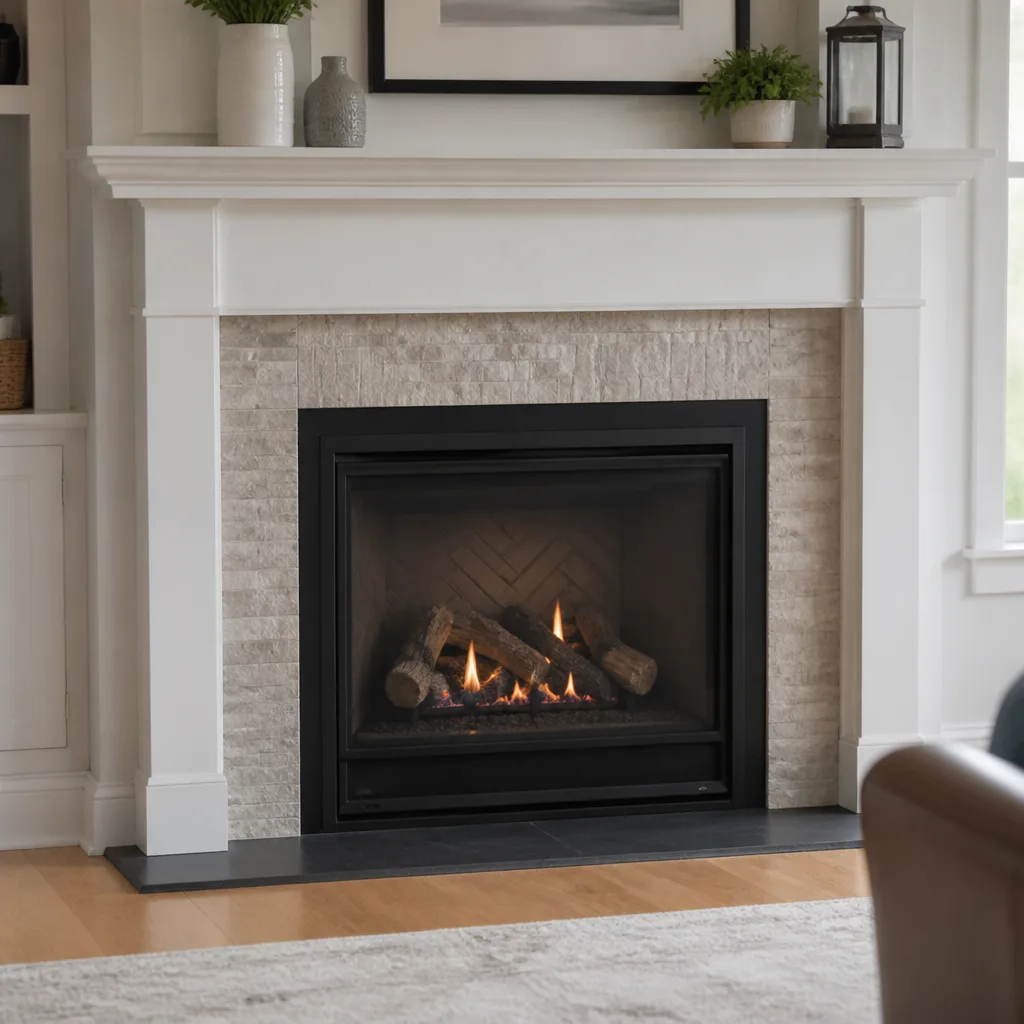 Gas fireplace service
Level 1 sweep and inspection to the NFPA 211 annual standard - flue, crown, cap, and flashing checked and photographed
Chimney sweep logs do not sweep chimneys. They loosen some creosote - which then falls where a brush and vacuum still have to collect it.
Chimney Cleaning Emergency Preparedness Guide for Peoria Homes
A chimney fire doesn’t always announce itself with a roar and flames shooting from the top of the flue. More often it burns as a slow, intense smolder, hot enough to crack flue tiles from the inside while the only things you notice are an unusual smell and a faint smoke odor that doesn’t quite clear. By the time the heat works through the liner into the wall cavity, you’ve lost the chance to react calmly. This guide covers how to recognize that kind of event, what to do in the first few minutes, how carbon monoxide behaves in a Peoria home, and the preparation steps that keep an emergency from happening at all. It’s written for homeowners who want to understand their system, not just call someone to look at it.
Quick Answer
If you suspect an active chimney fire, get everyone out of the house, call 911 from outside, and do not put water on the fire. Once the fire department clears the home, the chimney needs a Level 2 inspection with a camera scan before you burn again, because a slow fire can damage the liner without any visible exterior sign. The preparation that matters most before heating season is a professional sweep, working carbon monoxide detectors placed at sleeping level, and a documented inspection report on file.
Styles & brands we work with
- Sweep & inspection
- Caps & crowns
- Flue relining
- Masonry repair
- Gas fireplace service
Table of Contents
- How do you know if you’re having a chimney fire?
- What is the correct step-by-step response to a chimney fire?
- Why you should never pour water on a chimney fire
- Carbon monoxide: blocked flue versus a cracked heat exchanger
- What happens after a chimney fire, and why the inspection isn’t optional
- Pre-season preparation that actually prevents emergencies
- Smoke backdraft: what it means and what to do
- When to call a professional
How do you know if you’re having a chimney fire?
Chimney fires fall into two rough categories: the fast, dramatic kind and the slow, quiet kind. The quiet kind is more common and more dangerous, because it gives you very little to go on. A creosote fire burning deep in the flue doesn’t necessarily show flame at the top. It heats the flue tile or liner from the inside, and that heat is what causes the structural damage. In our experience across Peoria, the slow fires are the ones homeowners describe as “something just felt wrong” rather than “the chimney was on fire.”
Signs of a fast, active chimney fire
- A loud roaring or rumbling sound that resembles a freight train or a low-flying aircraft
- Dense, dark smoke or visible flame coming from the chimney top
- Popping, cracking, or tapping noises from inside the flue
- An unusually hot chimney, stovepipe, or mantel to the touch
- Smoke or heat pushing into the room despite the damper being open
Signs of a slow, smoldering chimney fire
- A strong, unusual smell that doesn’t smell like normal wood smoke
- A persistent smoke odor in the room that doesn’t clear
- Slight smoke escaping from seams in the stovepipe or around the damper
- Creosote flakes or pieces of liner material visible on the roof or in the firebox
- Warped or discolored damper components
Those quiet indicators are easy to dismiss as “the fire is just burning funny today.” But a slow fire can burn for a long stretch before anyone notices, and the damage it does to the flue liner is cumulative. If you notice that unusual smell or the faint smoke smell that clears and then returns, treat it as a real signal and call for an inspection before you burn again. This is exactly the kind of scenario where a routine chimney sweep would have caught the creosote load that made the fire possible.
What is the correct step-by-step response to a chimney fire?
The order of these steps matters. Do them in sequence, not by instinct.
- Get everyone outside. That includes pets. Do not stop to gather belongings. A chimney fire can breach the wall cavity and spread into the structure, and the smoke contains carbon monoxide and other combustion products.
- Call 911 from outside the home. Tell the dispatcher you believe you have a chimney fire. Even if the fire seems to have stopped, the fire department needs to check the wall cavity and attic for heat.
- Close the damper only if you can do it safely. If you are already outside, don’t go back in for this. If you’re still inside and the firebox door or damper is accessible without opening a path for smoke to enter the room, closing the damper or the firebox door reduces the oxygen feeding the fire. If it isn’t accessible, leave it.
- Do not put water on the fire. More on why below.
- Stay out until the fire department clears the home. They will check the attic, walls around the chimney, and the roof for signs of extension.
- Book a Level 2 inspection before you burn again. Not a cleaning and not a quick visual look. A camera scan of the flue and an examination of the surrounding masonry.
Those are the six steps, in order. One thing that surprises people: closing the damper isn’t always the right move if you’re already out. The goal is to reduce oxygen to the fire without exposing yourself to smoke, and if you have to walk back into a smoke-filled room to reach the damper, don’t. Get out, call, and let the fire department handle it.
Why you should never pour water on a chimney fire
Water on a chimney fire can crack hot flue tiles, warp a metal liner, and generate a large volume of steam inside a closed flue. That steam expands fast, and it can force smoke and hot gases back into the room where you’re standing. It can also push burning material out of the firebox into the room. Both outcomes turn a dangerous situation into a badly dangerous one.
The instinct to fight the fire yourself comes from thinking of it as a fire in the fireplace. It isn’t. A chimney fire is inside a vertical flue, which means water poured into the firebox has to travel up before it reaches the fire, and by then it’s already flashing to steam. Splashing water on a hot flue tile of the sort used in many Peoria homes can thermal-shock it into pieces that may fall into the flue and block it. Keep the water for the fire department to decide on, and use your time outside to call.
Carbon monoxide: blocked flue versus a cracked heat exchanger
Carbon monoxide from a chimney system usually comes from one of two failure paths, and they behave differently.
Blocked or restricted flue
A blocked flue traps combustion gases in the firebox and forces them back into the living space. The most common causes are a heavy creosote load, an animal nest built during the off-season, a fallen liner tile, or debris from a windstorm. The gas comes into the room in a fairly direct line from the fireplace. That means the CO source is close to where you’ll notice smoke or a smell. If your fireplace or wood stove is producing smoke into the room rather than up the flue, that’s worth taking seriously right away.
Cracked heat exchanger in a gas unit
A gas insert with a cracked heat exchanger has a very different path. The combustion gases travel through the exchanger, and if a crack opens, those gases enter the room through the insert’s air circulation rather than the flue. There may be no smoke at all, no smell, and no visible sign from the room. The insert can look like it’s operating normally while it’s producing CO into the space. The only reliable indicators are a properly placed CO detector and an annual inspection. If your gas insert hasn’t been inspected recently, it’s worth scheduling a sweep and inspection together – that’s the team’s approach at Chimney Sweep Peoria, where every sweep includes a check of the appliance.
Where the CO detector belongs
Place CO detectors at sleeping level, in the hallway outside bedrooms, not at ceiling level. CO is slightly lighter than air, but not so much that it collects at the ceiling in a room the way smoke does. The real risk is sleeping residents who don’t wake up to symptoms, so the detector needs to be where people are sleeping. Test the detector monthly and replace the batteries on a set schedule that you’ll remember – plenty of homeowners use the start of heating season as the trigger.
What happens after a chimney fire, and why the inspection isn’t optional
After a chimney fire, a Level 2 inspection with a camera scan is the first thing on the list, not the last. Level 2 means the inspector uses a video camera to look inside the flue for the full height, and examines accessible portions of the chimney exterior and the attic and crawlspace areas adjacent to it. This is well above a quick visual look from the ground or the firebox.
What the inspector is specifically looking for
- Cracked, spalled, or displaced flue tiles. A slow fire can heat the tiles unevenly, and the cracks may be invisible from the firebox.
- Warped or separated metal liner seams. A stainless liner from a maker like Olympia Chimney is built for high heat, but a severe fire can still damage it.
- Damaged mortar joints and gaps in the surrounding masonry. Heat can open joints between the flue and the chimney’s outer structure.
- Debris in the flue. Pieces of damaged liner or tile may have fallen and partially blocked the chimney.
- Creosote re-accumulation inside the flue. A fire doesn’t remove all creosote, only part of it, and the remaining deposits can reignite if left in place.
If the inspector finds damage, the work that follows is the difference between a chimney that’s safe to use and one that isn’t. This is why the sweep, inspection, and repair all sitting with one contractor matters – a camera scan that finds a cracked liner should be followed by a plan for the repair, not a referral to call someone else. We source liners from DuraFlex and caps from Gelco, so the materials that fix the problem are documented by name and spec, not anonymous bulk supplies.
Pre-season preparation that actually prevents emergencies
Most chimney emergencies are prevented by a small set of steps taken before the first fire of the season. In Peoria, heating season can start as early as late fall and run into spring, and the transition from cooling to heating is a good trigger for getting these done.
- Schedule a professional sweep before the first burn. A sweep removes the creosote that fuels chimney fires. How often depends on the wood you burn and how often, but once a year is the baseline most homes need.
- Book the inspection at the same time. A sweep and a Level 2 inspection done by the same contractor catches liner issues that a cleaning alone would miss. Our technicians have up to 10 years of experience, and every inspection includes a camera scan and photo report you keep.
- Check your CO detectors and place them at sleeping level. Test every detector. Replace batteries on a schedule you won’t forget. If you don’t have a CO detector in the hall outside the bedrooms, that’s the first thing to correct.
- Look up at the chimney from outside before the season starts. A missing or damaged cap, cracked chimney crown, or visible gap in the masonry is worth a closer look. A Gelco cap keeps water and animals out of the flue between seasons.
- Keep your inspection report on file. Insurance companies increasingly ask for documentation of chimney maintenance after a fire. A written report with photos is the document they’ll want.
- Have a conversation with the household about the exit plan. Everyone should know where to meet outside if the smoke alarms go off.
Those six steps are the whole prevention program. Most of them take less time than a single evening by the fire. The annual sweep is what makes the rest possible, since a clean flue has little to ignite.
Smoke backdraft: what it means and what to do
Smoke backdraft is when combustion gases flow backward down the flue and into the room instead of up and out. You’ll know it by the smell and the visible smoke curling out of the firebox or out of the seams in the stovepipe. The fireplace may not want to light at all, or the fire may burn weakly and push smoke into the room.
Common causes include a cold flue that hasn’t warmed up yet, a blocked flue, a house that’s under negative pressure from a kitchen or bath exhaust fan running at the same time, or a chimney that’s too short for the appliance. In Peoria, the most common cause we see is simple: the flue hasn’t been swept and there’s enough creosote or debris to restrict the draft.
If you’re getting backdraft, put the fire out if you can do it safely, open a window in the room to relieve negative pressure, and stop using the fireplace until the flue has been checked. If the backdraft happens with a wood stove or gas insert, turn the appliance off and have it inspected before the next use. Backdraft is also a CO event waiting to happen – the same restricted flow that pushes smoke into the room pushes carbon monoxide with it.
If you’re not sure whether the problem is the flue, the appliance, or the house pressure, a sweep and inspection will tell you. A proper chimney repair plan starts with knowing what’s actually wrong, and the camera scan is how we find that out.
Common Mistakes to Avoid
- Assuming a chimney fire that “went out” is finished. Slow fires can burn for a long time inside the flue and leave damaged tiles behind. A fire that seems to have stopped still needs a camera inspection before the chimney is used again.
- Putting water on the fire. The instinct is understandable, but water in a hot flue can crack tiles, warp a liner, and push steam and smoke back into the room.
- Mounting the CO detector at ceiling level. CO detectors belong at sleeping level in the hallway outside bedrooms. A ceiling-mounted detector in a living space may not catch a slow buildup before sleeping residents are at risk.
- Skipping the annual sweep because “the fire burned fine last year.” Creosote accumulates quietly and doesn’t announce itself until it ignites. The fire burning fine is not evidence that the flue is clean.
- Calling a general handyman for a chimney sweep. Sweeping, inspection, and repair are a single system, and a generalist who does a quick brush-and-go without a camera scan leaves the actual diagnosis undone. Chimney-only specialists stay in one area of expertise for a reason.
- Letting a minor masonry crack go into the rainy season. Peoria’s monsoon moisture can work into small cracks in the chimney crown and mortar joints and make them bigger over a season or two. A small repair done early is a smaller repair.
- Burning unseasoned wood because it’s what’s on hand. Green wood produces more creosote than dry, well-seasoned wood. It’s the single biggest driver of the creosote load a sweep has to remove.
See the difference
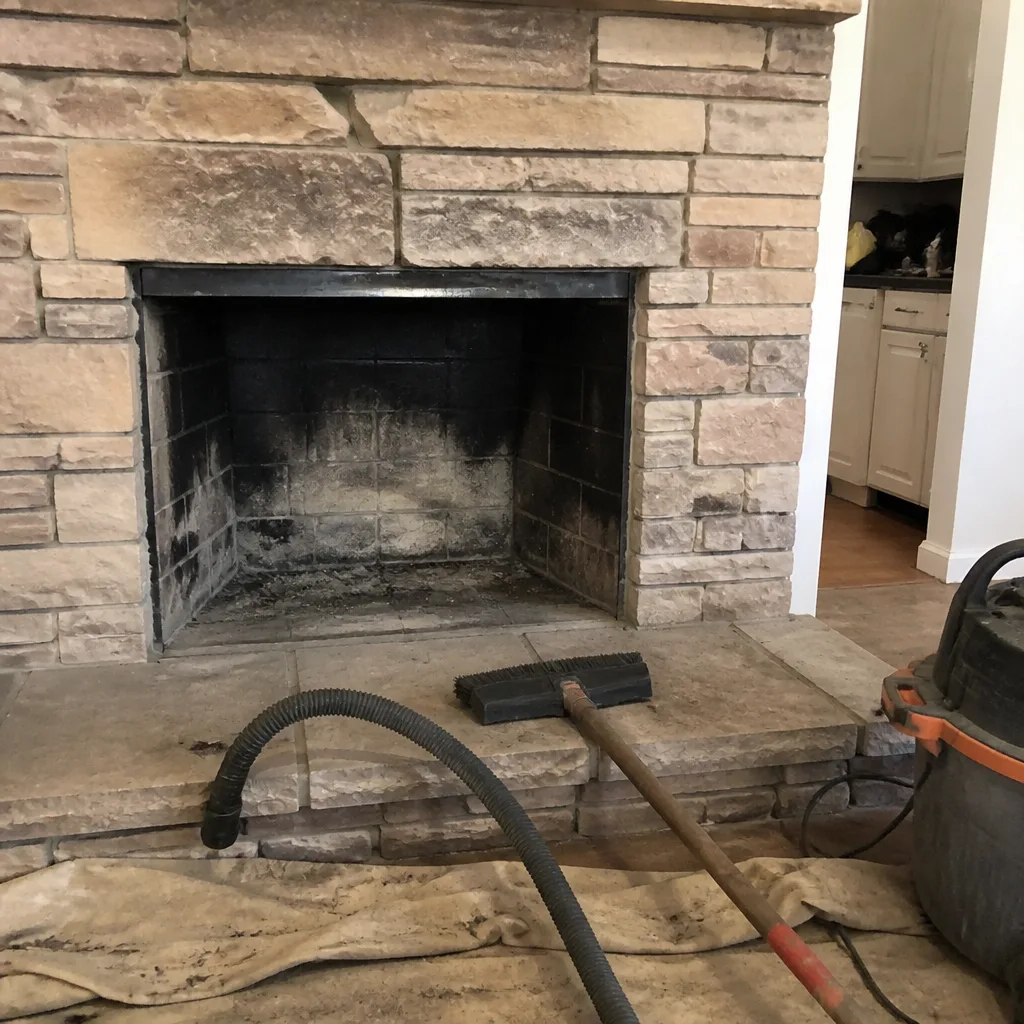 Before
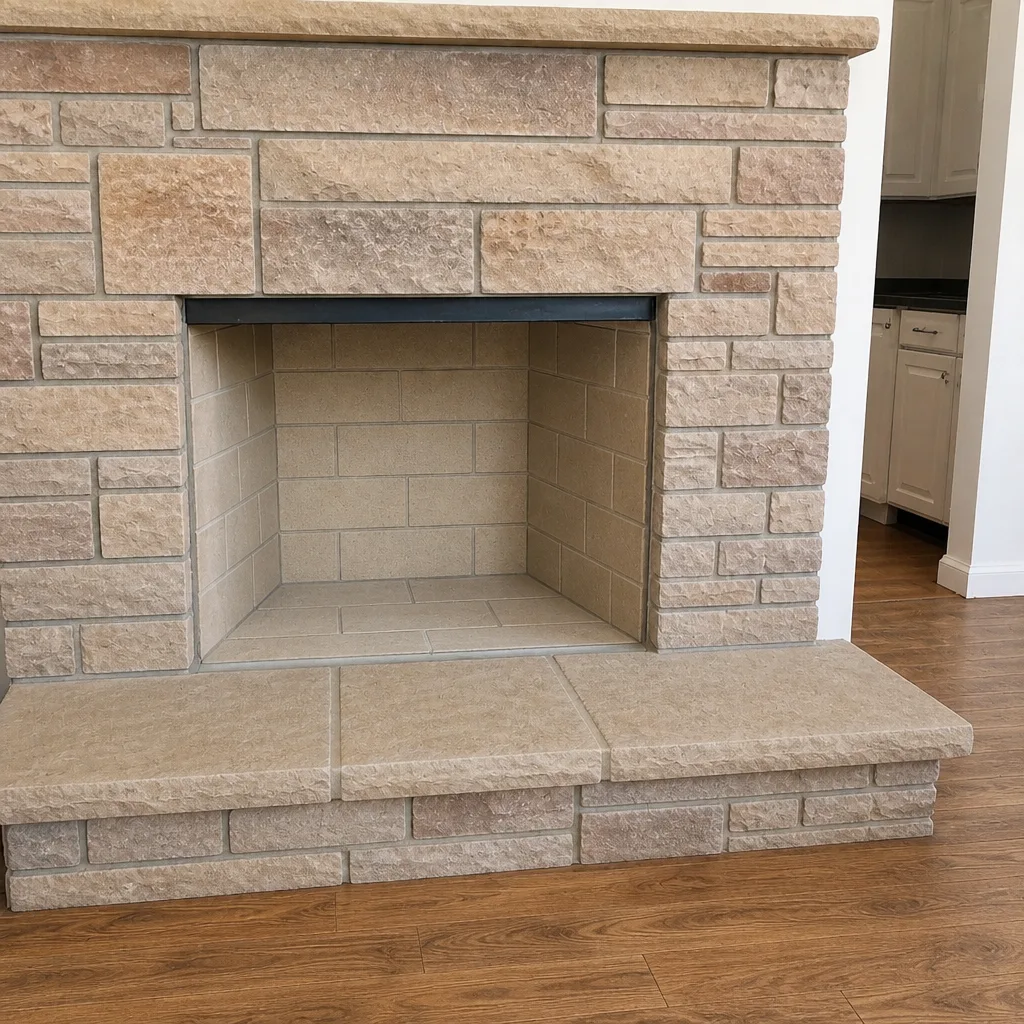 After
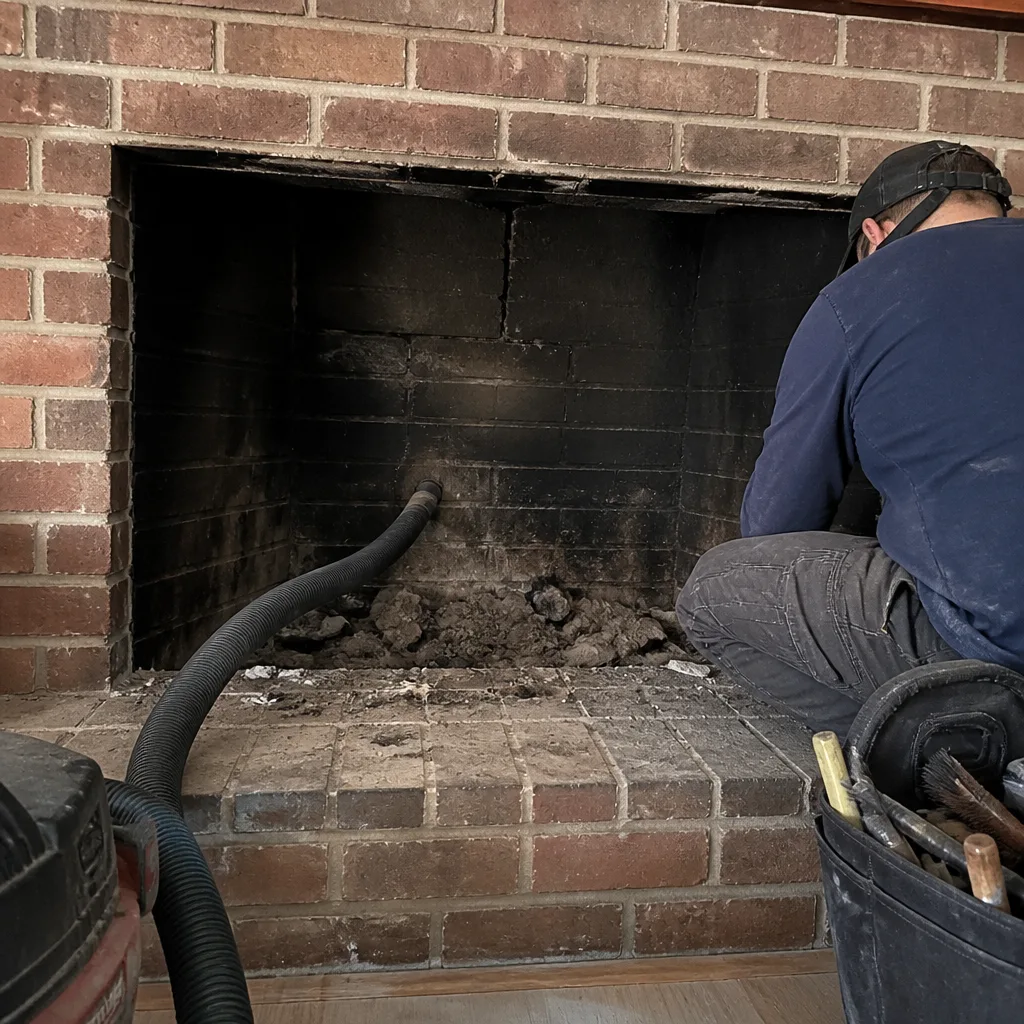 Before
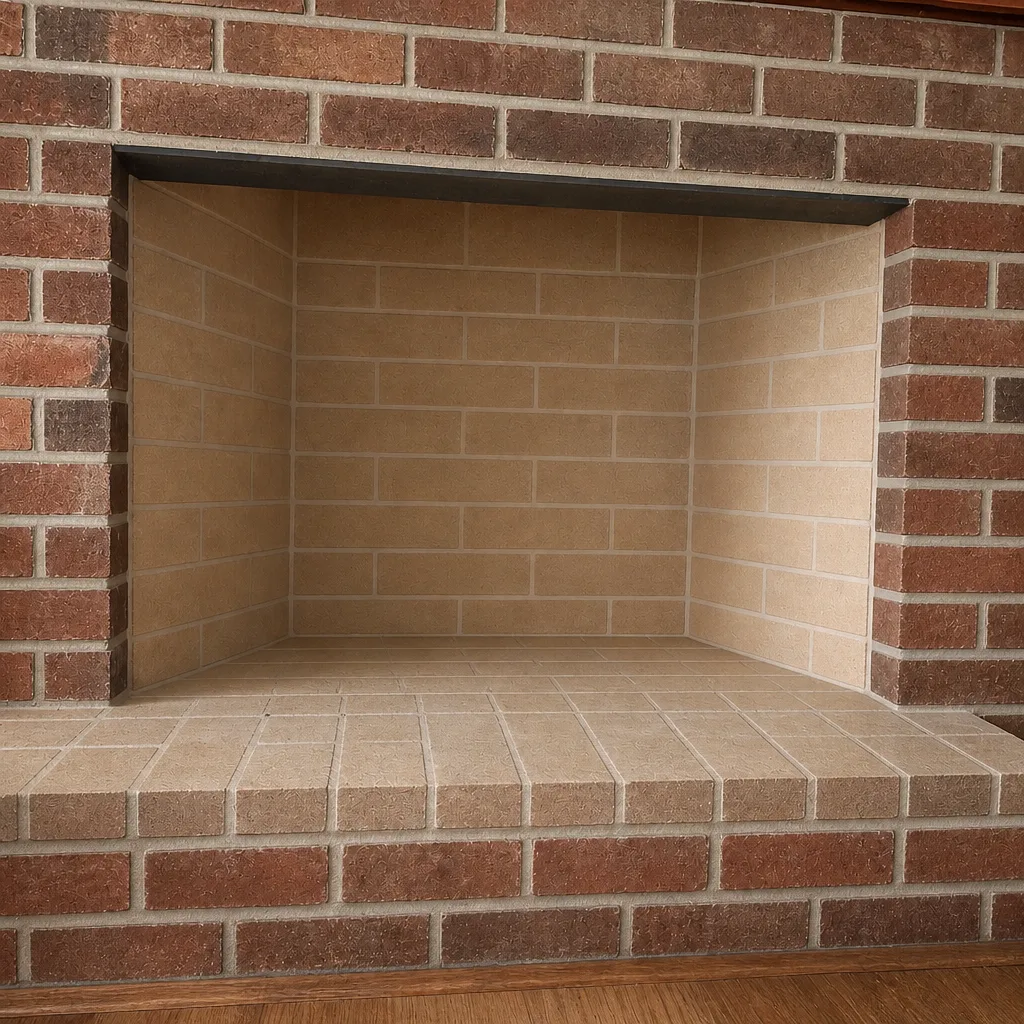 After
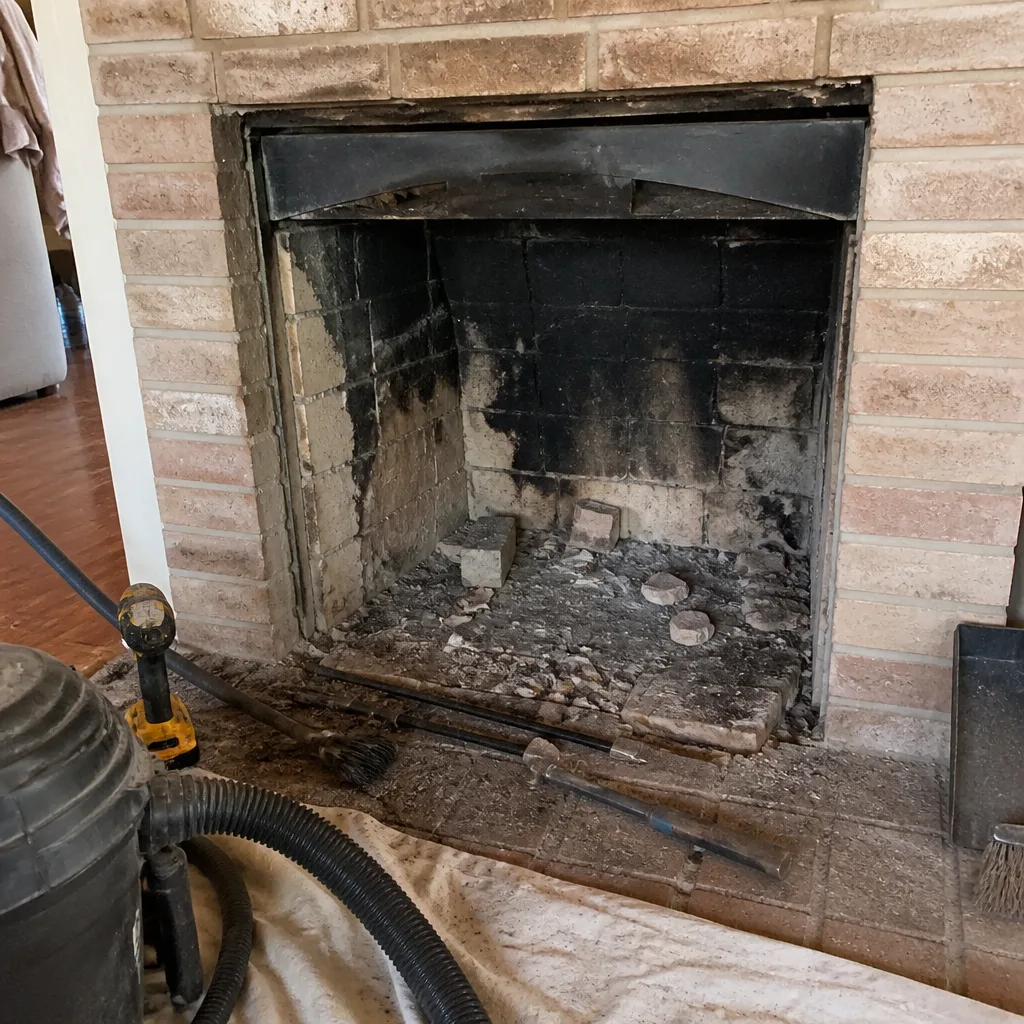 Before
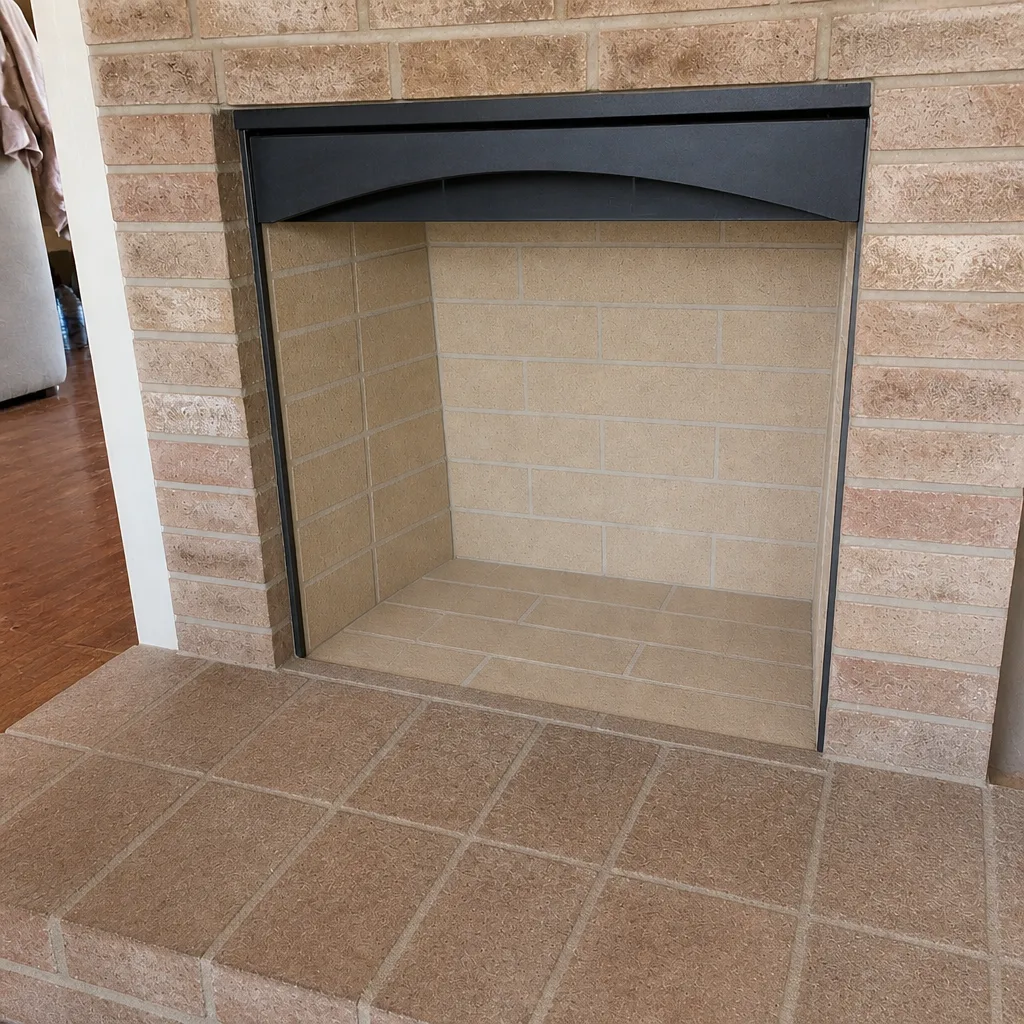 After
When to Call a Professional
Call a professional after any suspected chimney fire, even if you aren’t sure it was one. Call when smoke comes into the room with the damper open, when you smell smoke in the house when the fireplace isn’t in use, or when you notice a strong unusual odor that doesn’t smell like normal wood smoke. Call if your CO detector has gone off, even briefly, and get out first if it’s currently sounding. Call when the chimney cap is missing or damaged, when you see cracked or spalling masonry at the crown, or when the fire is harder to light and weaker than it used to be. Call before the heating season starts if it’s been more than a year since the last sweep.
Chimney Sweep Peoria offers free estimates in Peoria. Call (866) 618-5984. We answer 24/7. Fast dispatch from 7am to 7pm, Sunday through Friday. The written estimate sets the final price, and nothing is recommended without a camera scan you can see for yourself.
Frequently Asked Questions
Chimney sweeping in Peoria is priced per job by written estimate, and the estimate is free. The scope depends on the flue configuration, how much creosote has built up, and whether you’re pairing the sweep with an inspection. Call (866) 618-5984 for an exact quote.
Not always, but you need the inspection to know. A camera scan tells you whether the existing flue tile or metal liner was damaged by the heat. If the liner is cracked, spalled, or has separated seams, it needs repair or replacement before the chimney is safe to use. If it’s sound, you may only need a full cleaning. Nothing is recommended until the inspection findings are in hand.
Once a year is the baseline for most homes that burn wood regularly. Homes that burn frequently, burn unseasoned wood, or use a wood stove as a primary heat source may need more frequent sweeping. A sweep and inspection before the heating season is a safe routine in Peoria.
Creosote accumulates inside the flue and stays there until it ignites. That’s the hazard, and the risk grows as the creosote load grows. Skipping a year isn’t a guaranteed fire, but it does mean the next fire is burning inside a flue with more fuel than it should have. The annual sweep removes that fuel.
At sleeping level, in the hallway outside the bedrooms. CO detectors placed at ceiling level don’t reliably catch a slow buildup before sleeping residents are exposed. Every home with a fireplace, wood stove, or gas insert should have at least one, and the batteries should be replaced on a schedule you’ll remember.
Yes. A sweep and inspection with a camera scan is exactly the right call when something seems wrong but you can’t name it. The camera shows the inside of the flue, and the photo report gives you a document you can keep on file, share with your insurer, or use to decide whether now is the right time to schedule the repair.
The Bottom Line
A chimney emergency is a sequence of decisions, and the calmest homeowners are the ones who decided what they’d do before the smoke started. Get out first, call 911 from outside, don’t pour water on the fire, and don’t burn again until a camera inspection has cleared the flue. Before the season starts, book a sweep and inspection, place your CO detectors at sleeping level, check the cap and crown from outside, and keep your inspection report on file. Sweep, inspect, repair – with one contractor and named materials from brands you can look up. That’s the whole program, and the annual sweep is what holds it together. Use Peoria as the calendar trigger: when the nights start getting cool enough to think about a fire, that’s the week to call.
Call (866) 618-5984 for a free estimate. We answer 24/7. Fast dispatch from 7am to 7pm, Sunday through Friday.
Written by the team at Chimney Sweep Peoria.