
Last updated November 15, 2026
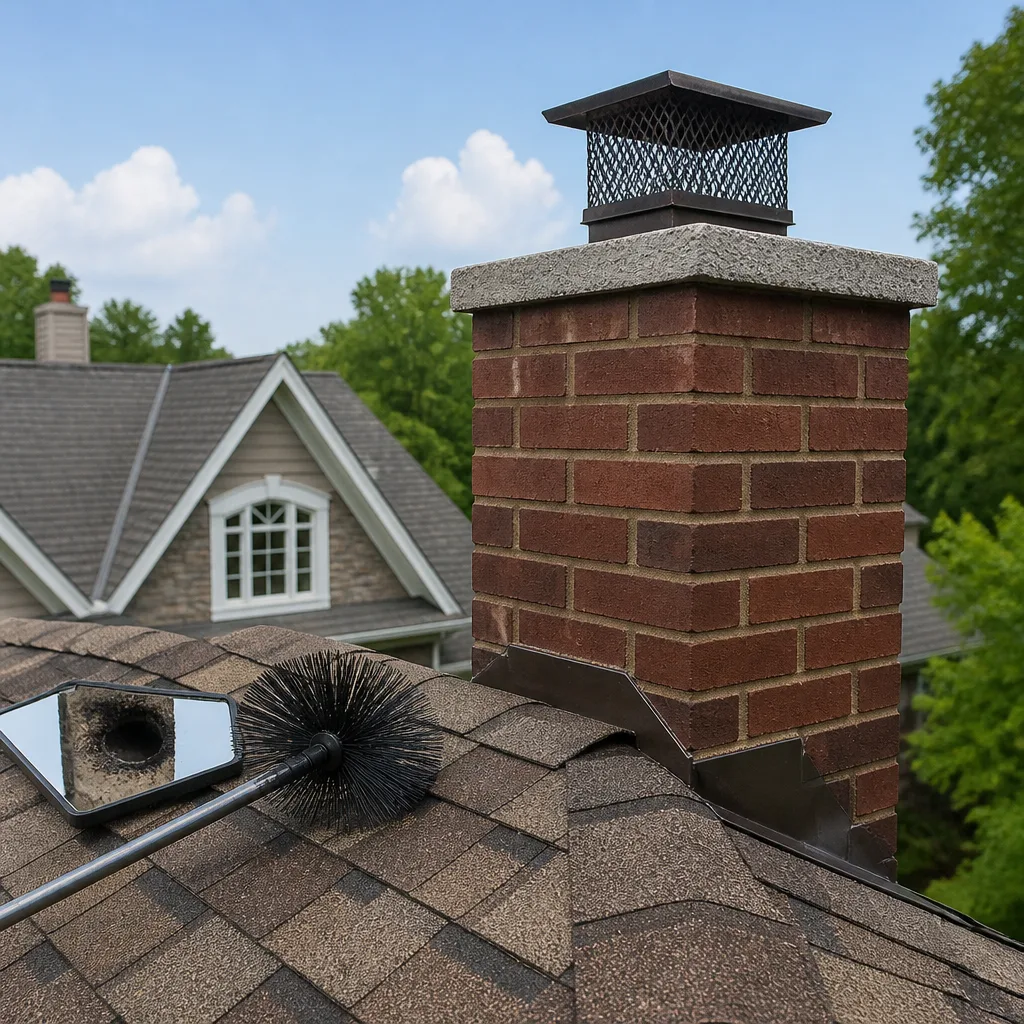 Sweep & inspection
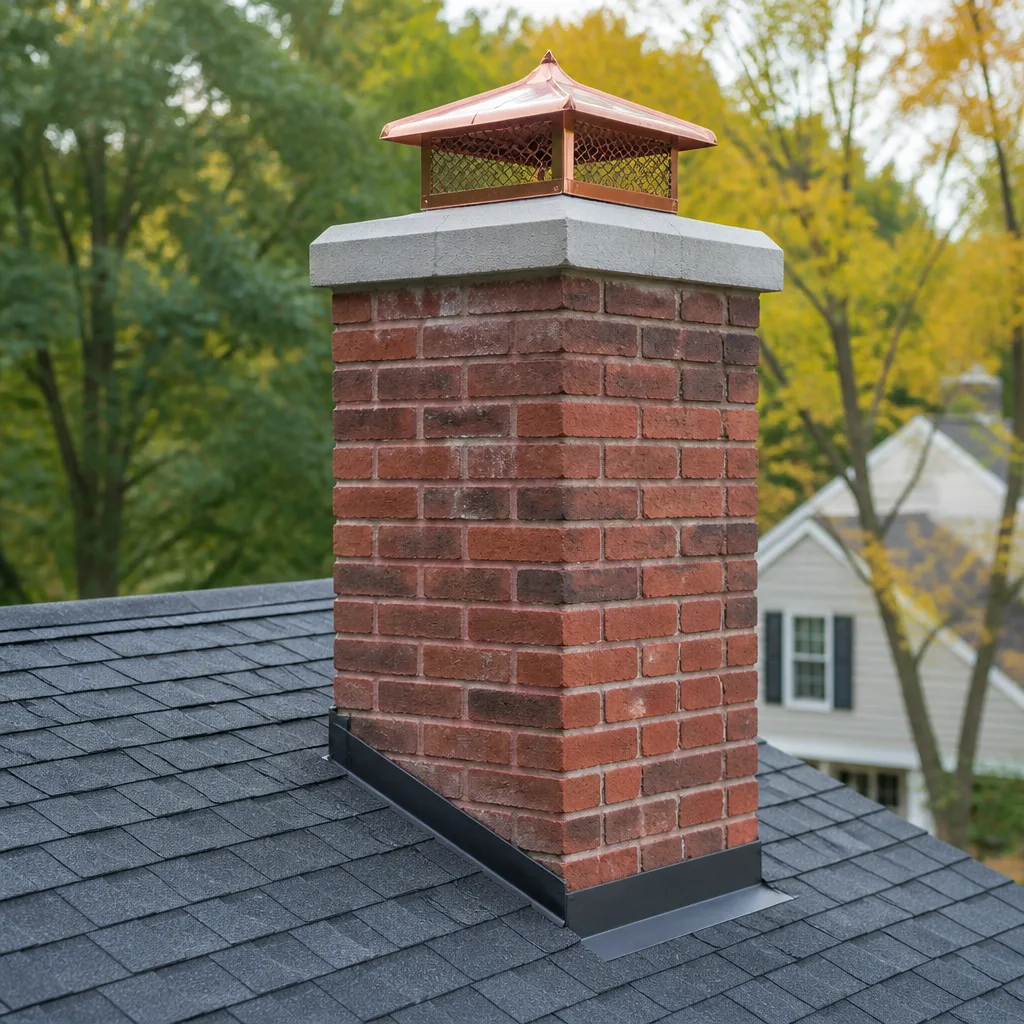 Caps & crowns
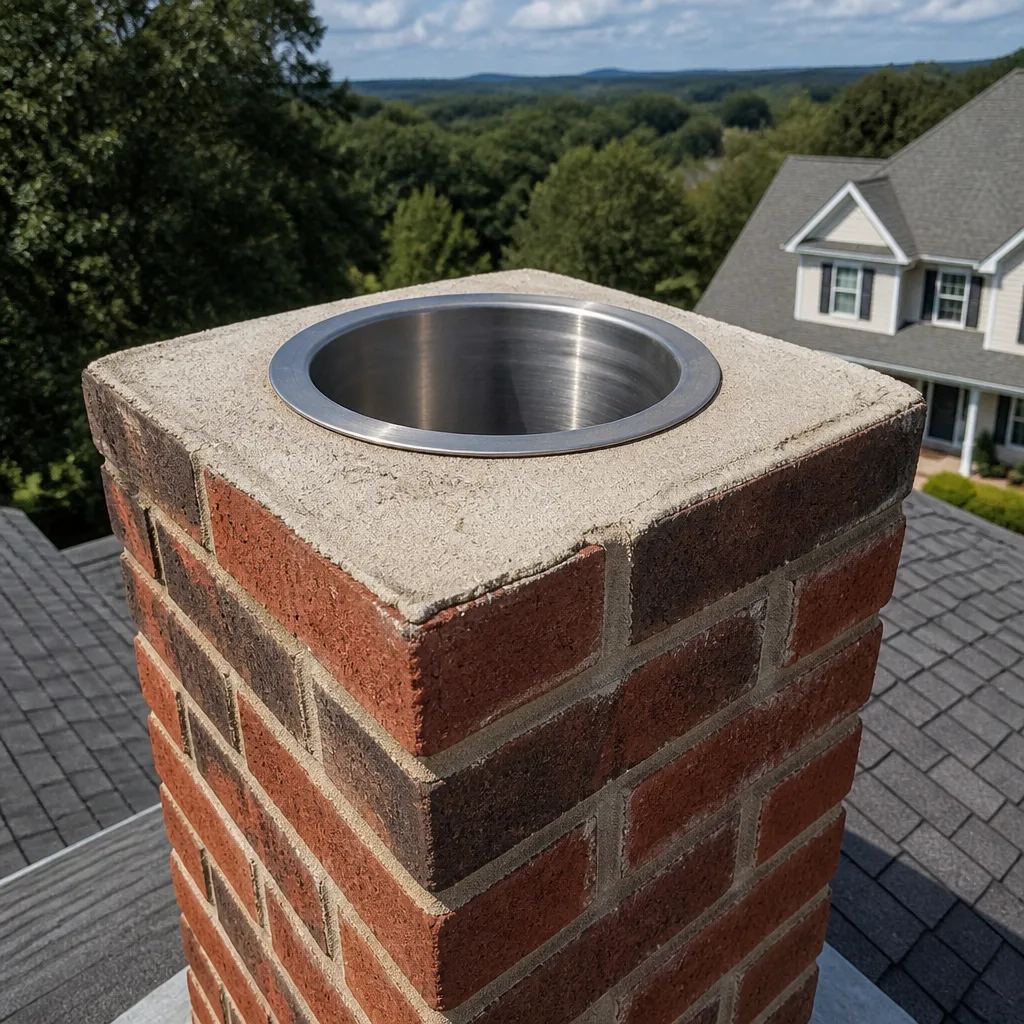 Flue relining
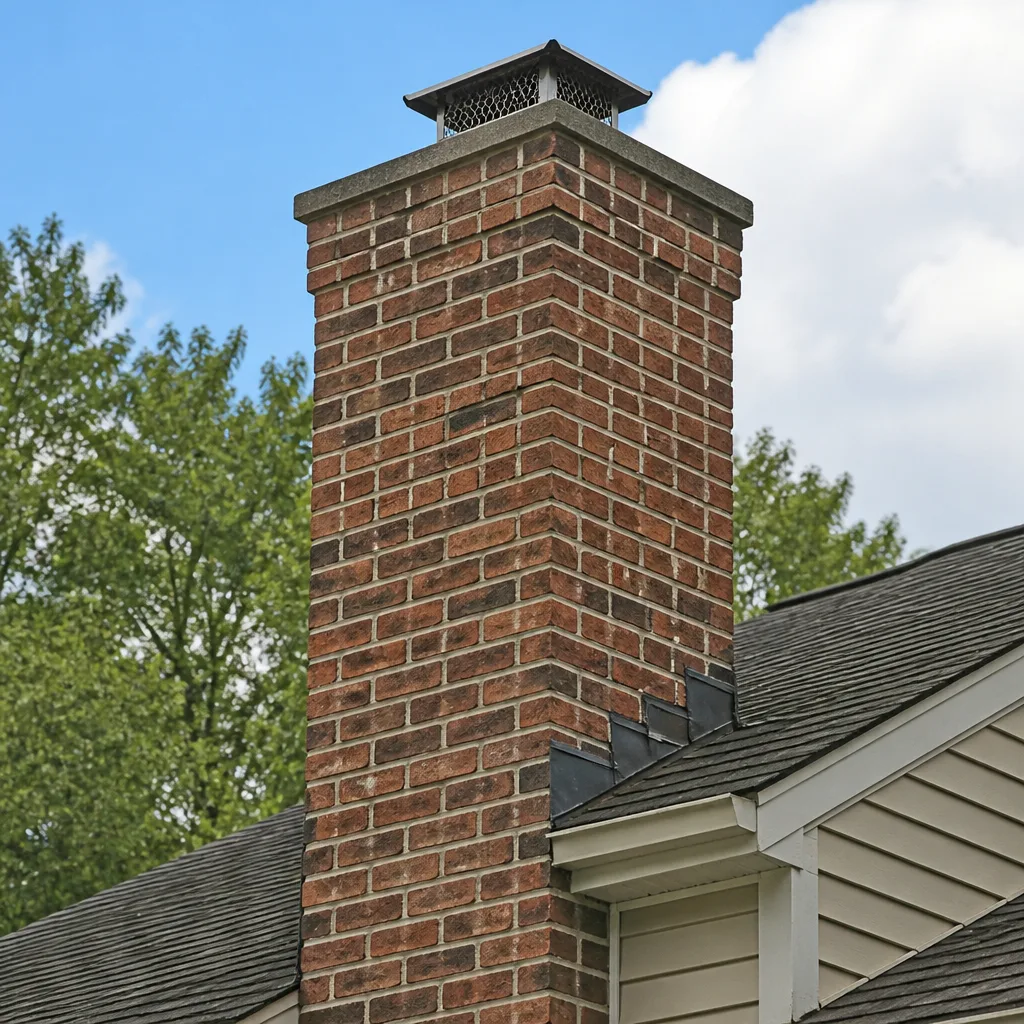 Masonry repair
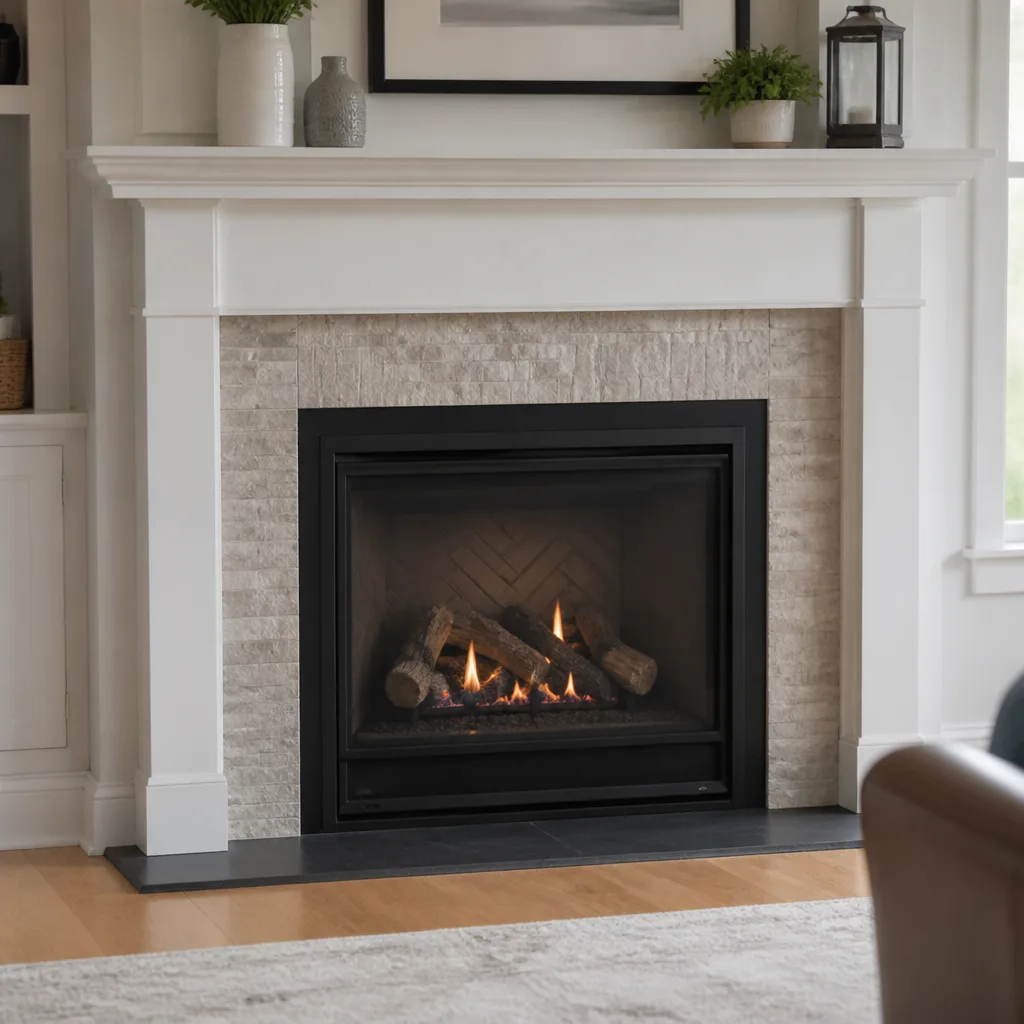 Gas fireplace service
Level 1 sweep and inspection to the NFPA 211 annual standard - flue, crown, cap, and flashing checked and photographed
Chimney sweep logs do not sweep chimneys. They loosen some creosote - which then falls where a brush and vacuum still have to collect it.
Chimney Cleaning Cost Breakdown: The Peoria Homeowner’s Reference for 2026
A $79 chimney sweep coupon and a $299 full-service sweep are rarely the same product. The cheap version usually gets you a brush down the flue and nothing else – no camera scan, no written report, no look at the crown or the cap. The expensive version includes the inspection that catches a cracked flue tile before it becomes a house fire. In Peoria, where thousands of homes run wood-burning fireplaces and gas inserts through a mild but real heating season, the gap between those two quotes is almost always about scope, not skill. This guide breaks down every line item in a chimney cleaning so you can compare Peoria quotes on equal terms instead of on headline price alone.
Quick Answer
A full-service chimney sweep in Peoria typically runs $180 to $340 for a standard wood-burning fireplace, with a level 1 inspection and written report included. A basic sweep without inspection runs $79 to $150 but leaves out the camera scan and documentation that actually tell you whether the chimney is safe. Repairs found during a sweep – repointing, damper replacement, liner work – typically add $200 to $3,500 depending on what’s wrong. The written estimate sets the final price.
Styles & brands we work with
- Sweep & inspection
- Caps & crowns
- Flue relining
- Masonry repair
- Gas fireplace service
Table of Contents
- What a Full-Service Sweep Actually Includes
- Line-Item Cost Breakdown for Peoria
- Common Repairs That Follow a First Sweep
- The Real Cost of Skipping the Inspection
- Gas Fireplace Service vs. Wood-Burning Chimney Service
- What Moves Your Peoria Quote Up or Down
- How a Professional Sweep Works, Step by Step
- Common Mistakes to Avoid
- When to Call a Professional
- Frequently Asked Questions
What a Full-Service Sweep Actually Includes
Most homeowners picture a brush on a stick. A real full-service sweep is closer to a diagnostic appointment with a cleaning attached. Here’s what should be in the scope when you’re comparing quotes in Peoria.
A basic sweep removes creosote and soot from the firebox, smoke chamber, and flue. That’s the cleaning. On its own, it changes nothing about whether your chimney is safe – it just makes it cleaner. The inspection is what tells you if the flue is sound, if the damper seals, if the crown is cracked, if the cap is missing, and if the liner has any breaks.
A level 1 inspection is the standard visual check that comes with an annual sweep. The technician looks at the accessible parts of the chimney system – firebox, damper, smoke chamber, flue interior as far as the eye can see, crown, cap, and exterior. A level 2 inspection adds a camera scan of the flue from top to bottom, which is what you need before a first use, after a chimney fire, after any change to the appliance, or when you’re buying a house. On a wood-burning chimney in Peoria, the camera scan is the line item that actually earns its keep. It’s where cracked flue tiles, gaps in the mortar joints, and deteriorated liner seams show up. Without it, a technician is guessing.
A written report should follow the sweep. Not a phone call, not a verbal “everything looks fine” – a document you keep. It records what was found, what was recommended, and what can wait. The photo evidence from the camera scan belongs in that report so you can see the same thing the technician sees. That’s the standard we hold every sweep to, because a homeowner shouldn’t have to take a recommendation on faith. Nothing gets recommended without camera evidence you can review yourself.
Line-Item Cost Breakdown for Peoria
Here’s a typical range for each component of a full-service sweep in the Peoria market. Prices are estimates – the written estimate you receive sets the final price. But this gives you a framework to compare quotes on.
- Basic sweep (creosote removal): $79 to $150. Standard fireplace and flue cleaning.
- Level 1 visual inspection: $0 to $60 when bundled with a sweep. Often included at no extra charge.
- Camera scan of the flue (level 2 inspection portion): $75 to $150. Video of the full flue length, top to bottom.
- Written report with photo evidence: typically included with the camera scan. Ask before you book if it isn’t stated.
- Crown and cap check: typically included in the inspection. Repairs, if needed, are separate.
- Gas fireplace flue inspection and burner check: $120 to $200. Different scope, explained further down.
- Wood stove or solid-fuel appliance sweep: $150 to $280. Often higher because the flue run is longer or the buildup is heavier.
- Multiple fireplaces sharing one flue: add $60 to $120 per additional fireplace.
When you add up the full-service package – basic sweep, camera scan, written report, crown and cap check – you land in the $180 to $340 range. That’s the number to compare against any $79 coupon. The coupon covers roughly half the job.
The other thing crowded into that comparison: the brand of materials a company uses for repairs. With us, repairs involve named, spec-documented products – HeatShield resurfacing compound for smoke chambers, Gelco caps for the top of the flue, Olympia Chimney components where they fit the system. Those show up on a quote by name, so you can look them up and check their published specifications before you agree to anything. A contractor quoting “chimney-grade materials” without a brand name is asking you to trust a word, not a product.
Common Repairs That Follow a First Sweep
The first sweep on a chimney that’s gone years without service usually turns up something. Not always something serious, but something. Here’s what Peoria homeowners most often end up paying for after that first inspection, with typical ranges.
- Firebox repointing: $300 to $900. The mortar joints in the firebox crack from heat cycling. Repointing rebuilds those joints before the brick itself starts to move.
- Damper replacement: $250 to $650. A damper that won’t seal lets heated air escape up the flue and cold air back down when the fireplace is idle. Top-sealing dampers run on the higher end.
- Smoke chamber parging: $400 to $1,200. The smoke chamber – the sloped section above the firebox – is often rough and corbelled from original construction. Parging smooths it so smoke moves up and out instead of tumbling. HeatShield is the typical product for this work.
- Liner repair (spot): $300 to $800. Small cracks or gaps in a stainless liner can sometimes be repaired at the joint rather than replaced.
- Full relining: $1,800 to $3,500 for a standard one-story flue. This is the big one, and it’s usually triggered by a cracked clay tile flue that can’t be safely used as-is. DuraFlex liner systems are the usual approach for a wood-burning fireplace reline.
- Crown repair or rebuild: $400 to $1,200. A cracked crown lets water into the chimney structure. Crown work is straightforward when caught early and much more expensive when it’s been ignored.
- Chimney cap replacement: $150 to $400. A missing or damaged cap lets rain, birds, and debris into the flue. Gelco caps are the common replacement.
Not every item on this list is urgent. Some can safely wait a season. The difference between “do this now” and “plan for this” is what the inspection report is for – and a good technician will tell you which is which, in writing.
The Real Cost of Skipping the Inspection
Here’s how to actually calculate the cost of skipping the inspection, because “it’s risky” doesn’t help anyone budget.
Take a full-service sweep with camera inspection at $250 as a typical Peoria number. Over five years, that’s $1,250 – roughly $250 a year. That’s the maintenance side of the ledger.
Now the other side. A chimney fire caused by creosote ignition or a cracked flue typically costs $3,000 to $15,000 to repair the chimney structure, and that’s before any damage to the surrounding house. Water intrusion through a cracked crown can run $2,000 to $8,000 in masonry and interior repair once it’s been undetected for a couple of seasons. And carbon monoxide from a blocked or damaged flue is a health risk rather than a repair bill, which is why it belongs in the conversation at all.
Put those two numbers next to each other and the arithmetic isn’t close. Five years of full-service sweeps costs less than the cheapest chimney fire repair. That’s the honest case for the inspection, and it doesn’t require any scare tactics to make. The numbers do the work.
We’ve seen this play out in Peoria more than once: a homeowner who skipped the inspection for a few seasons ends up paying for a reline in the spring that a camera scan would have flagged as a spot repair a year earlier. The sweep is the cheap part. The deferred repair is the expensive part.
Gas Fireplace Service vs. Wood-Burning Chimney Service
Gas fireplace chimney service isn’t cheaper or more expensive than wood-burning service – it’s a different scope entirely, and comparing the two quotes side by side without knowing that gets confusing fast.
A wood-burning sweep is primarily about creosote removal and flue integrity. Creosote is a byproduct of burning wood, and it accumulates inside the flue no matter how well the fire is managed. The technician is removing it, then checking whether the flue can safely contain another season of use. The heavy lifting, cost-wise, is in creosote removal and liner inspection.
A gas fireplace service is about three things: verifying the venting is clear and correctly connected, checking the burner and ignition, and confirming the appliance is running clean. There’s no creosote in a gas system. But gas fireplaces can still have obstructions in the venting – bird nests, debris, deteriorated vent sections – and a gas appliance that isn’t venting properly sends combustion byproducts into the room. That’s the carbon monoxide risk, and it’s the reason a gas insert still needs annual service even though it looks clean.
Typical gas fireplace service in Peoria runs $120 to $200 and includes flue inspection, burner check, and venting verification. Some companies will quote a “gas sweep” at a lower price and skip the burner and venting check. Ask what’s in the scope. If the quote only mentions sweeping, it’s not covering the parts of a gas system that actually matter.
What Moves Your Peoria Quote Up or Down
Two Peoria homes with the same fireplace can get quotes that differ by $150. That’s not arbitrary – it’s the following variables doing their work.
- Chimney height. A flue that runs 15 feet is easier and faster to sweep than one that runs 30 feet. The taller the flue, the more setup, the longer the brush run, and the higher the labor.
- Liner material. A stainless steel liner is straightforward to inspect and repair. A clay tile flue that has cracked in multiple places may require relining rather than spot repair. The camera scan tells you which camp you’re in.
- Access difficulty. A chimney that’s easily reached from the roof is a quick job. One with a steep roof pitch, obstructions, or a difficult-to-reach cap adds time and cost.
- Degree of creosote buildup. Creosote comes in three stages: light soot, medium flaky buildup, and glazed stage-three creosote that’s hardened onto the flue walls. Stage three is harder to remove and typically pushes the sweep cost up $60 to $120.
- Number of fireplaces sharing a flue. Two fireplaces on one flue means two fireboxes to clean and a more complex inspection. Each additional fireplace adds cost.
- Appliance type. A wood stove runs hotter and can produce different buildup than a fireplace. The sweep for a wood stove is typically priced higher than for a fireplace.
- Whether the flue has ever been swept. A first sweep on a neglected chimney takes longer and often surfaces repairs a regular customer wouldn’t have.
When you get a written estimate, ask which of these the price reflects. A quote that just says “chimney sweep: $250” without qualification is a quote that could balloon on site. An estimate that specifies the scope and the variables is one you can trust as a comparison point.
How a Professional Sweep Works, Step by Step
Knowing what a sweep looks like on the day helps you spot a shortcut. Here’s the order a proper full-service sweep follows.
- Setup and protection. Drop cloths around the firebox, a vacuum with a HEPA filter running the whole time, and floor covering with no gaps. This is the first thing to check when the technician arrives.
- Firebox and damper check. The technician opens the damper and confirms it operates, looks at the firebox brick and mortar joints, and takes a first read on the condition of the appliance.
- Flue sweep from the top down. The brush is run from the roof down so the creosote gets pulled into the firebox rather than pushed up into the sky. Top-down is the standard approach on a fireplace.
- Camera scan of the flue interior. A camera goes down the flue from the top, recording the full length. Cracks, gaps, and liner deterioration get recorded.
- Crown, cap, and exterior check. Terminal, crown, and flashing are inspected from the roof or from the ground where the pitch makes roof access unsafe.
- Written report and photo evidence. Findings get documented. Photos of the camera scan go into the report. The technician walks you through what was found and what can wait.
Notice that three of those six steps are inspection, not cleaning. That’s the split that companies selling $79 sweeps leave out. If a sweep takes 20 minutes and nobody goes on the roof, you got the cleaning but not the inspection. And the inspection is the part with the fire risk attached.
For more detail on how our own Chimney Sweep Peoria process runs, that page walks through the full scope. If you want to compare repair and reline options after an inspection, our chimney repair page covers the materials and methods in detail, and our chimney sweep page covers scheduling.
Common Mistakes to Avoid
- Comparing quotes on headline price alone. A $79 sweep and a $299 sweep are rarely the same scope. Ask what’s included before you compare numbers, or you’re comparing a cleaning to a cleaning plus inspection.
- Accepting a verbal report instead of a written one. A technician who tells you the flue has “a crack but it’s probably fine” without a photo or a document leaves you with nothing to check. Get the findings in writing with camera evidence.
- Skipping the inspection because the sweep looked clean. Creosote buildup and liner condition are unrelated. A clean flue can still have a cracked tile that puts heat into the chimney structure on the next burn.
- Ignoring the crown and cap. In Peoria, rain comes in storms rather than snow. A cracked crown lets water into the masonry structure, and the damage is invisible until it’s expensive. The inspection should always check the crown and cap.
- Assuming a gas fireplace doesn’t need chimney service. Gas fireplaces don’t produce creosote, but they can still have blocked venting and burner problems that cause carbon monoxide risk. Annual service matters on gas systems too.
- Doing stage-three creosote removal yourself. Glazed creosote has to be removed with tools, and the flue surface behind it is often weak. A homeowner with a wire brush can damage the flue while missing the hardened layer, or worse, fall from the roof.
- Hiring a company that can’t do the repair after the inspection. If your sweep company can’t perform a reline or a heat-shield resurfacing, you get a second appointment with a different contractor. That handoff is where problems get lost.
When to Call a Professional
Call a professional if your chimney hasn’t been swept in the past year, if you’re about to use a fireplace that’s been idle for a season, if you’re buying a home in Peoria with a fireplace that hasn’t been documented, if you’ve had a chimney fire at any point, if you smell a strong creosote odor in warm weather, or if you see water stains on the chimney or ceiling. Call before you light the first fire of the season, not after. If you’re seeing smoke roll into the room instead of going up the flue, that’s a draft or blockage problem – stop using the fireplace and get it checked. We recommend handling anything involving the flue interior, the crown, or the roof as a professional job, because a fall from a Peoria roof or a flue injury from mishandled equipment is a much bigger problem than the sweep. Chimney Sweep Peoria offers free estimates in Peoria – call (866) 618-5984.
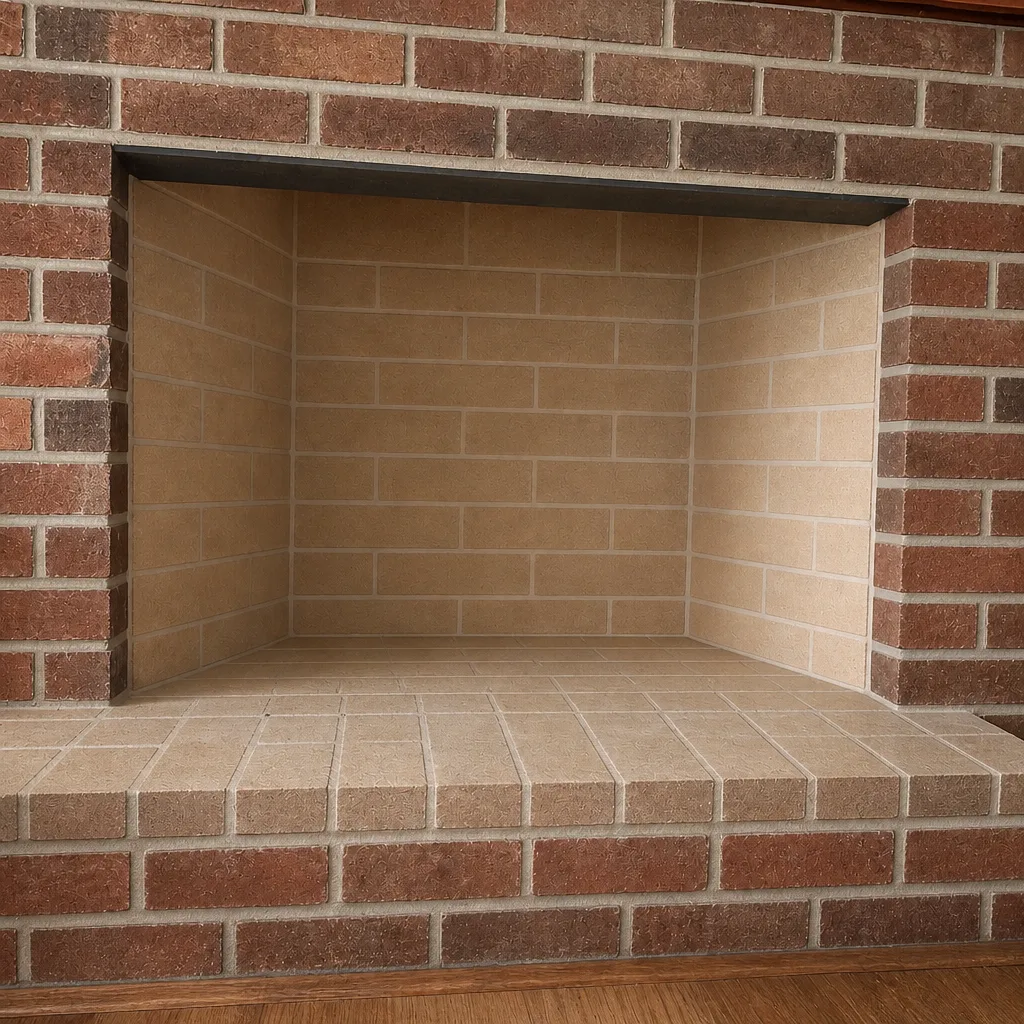
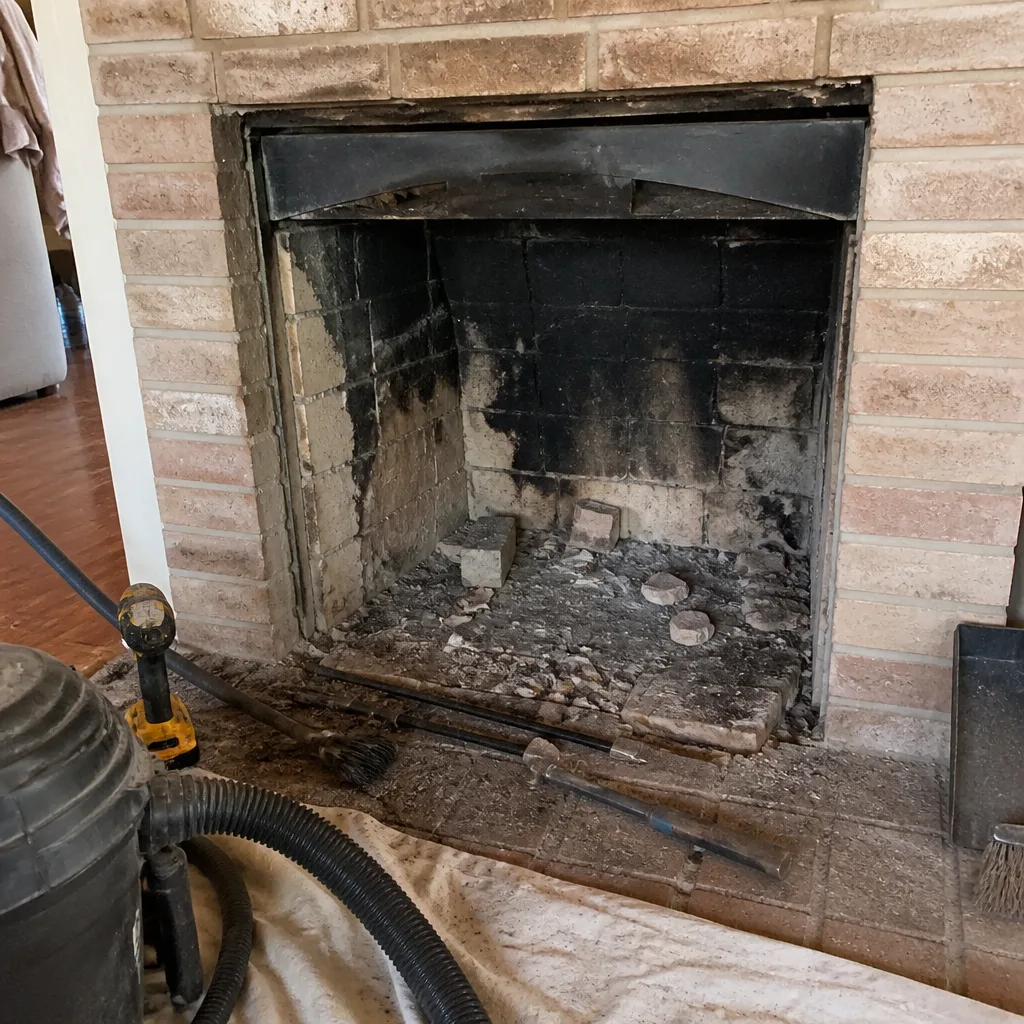
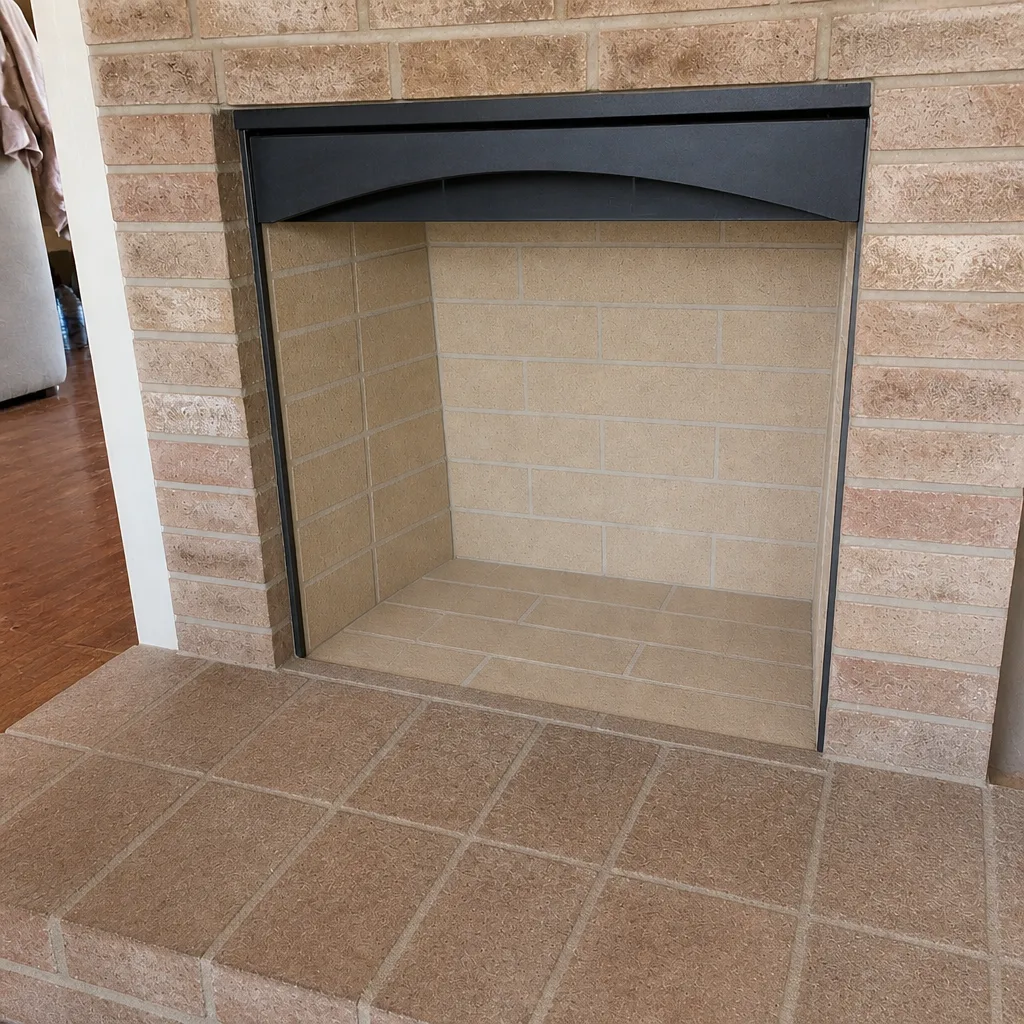
See the difference
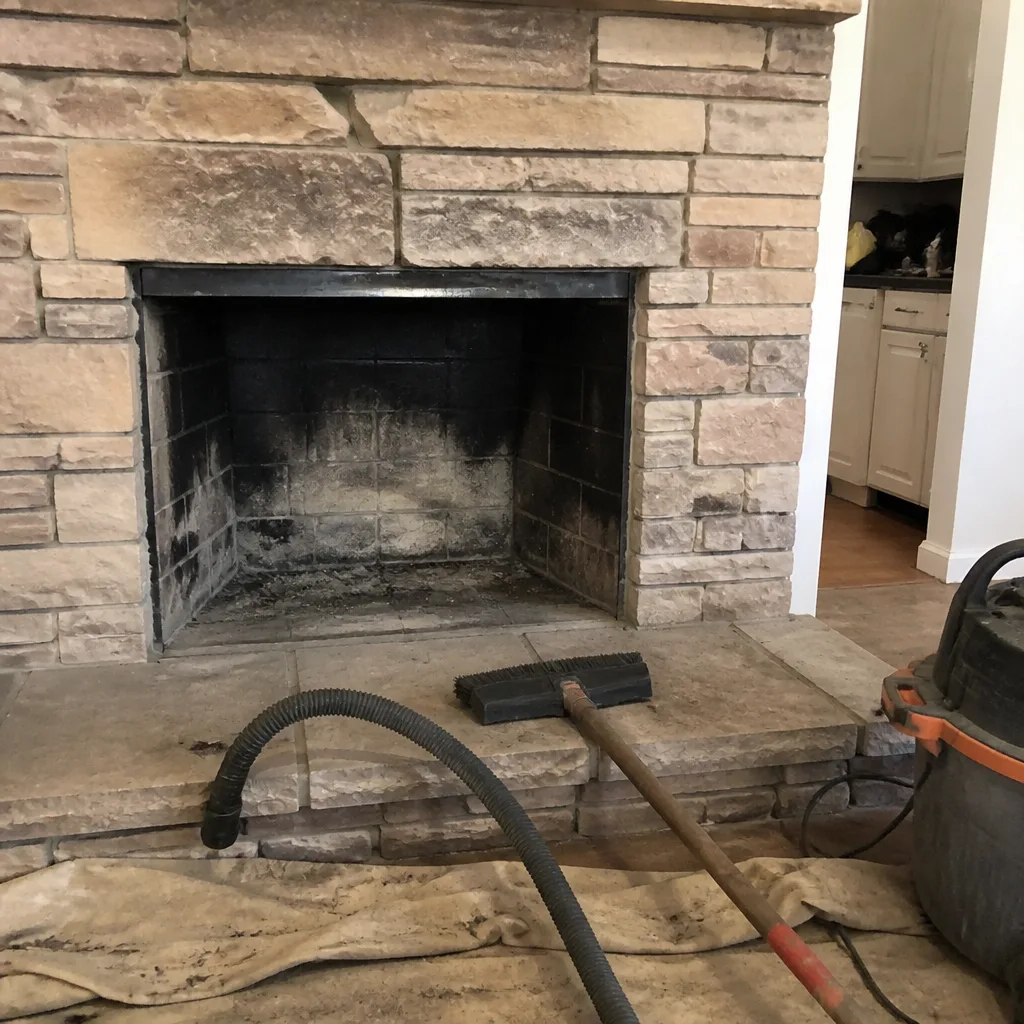 Before
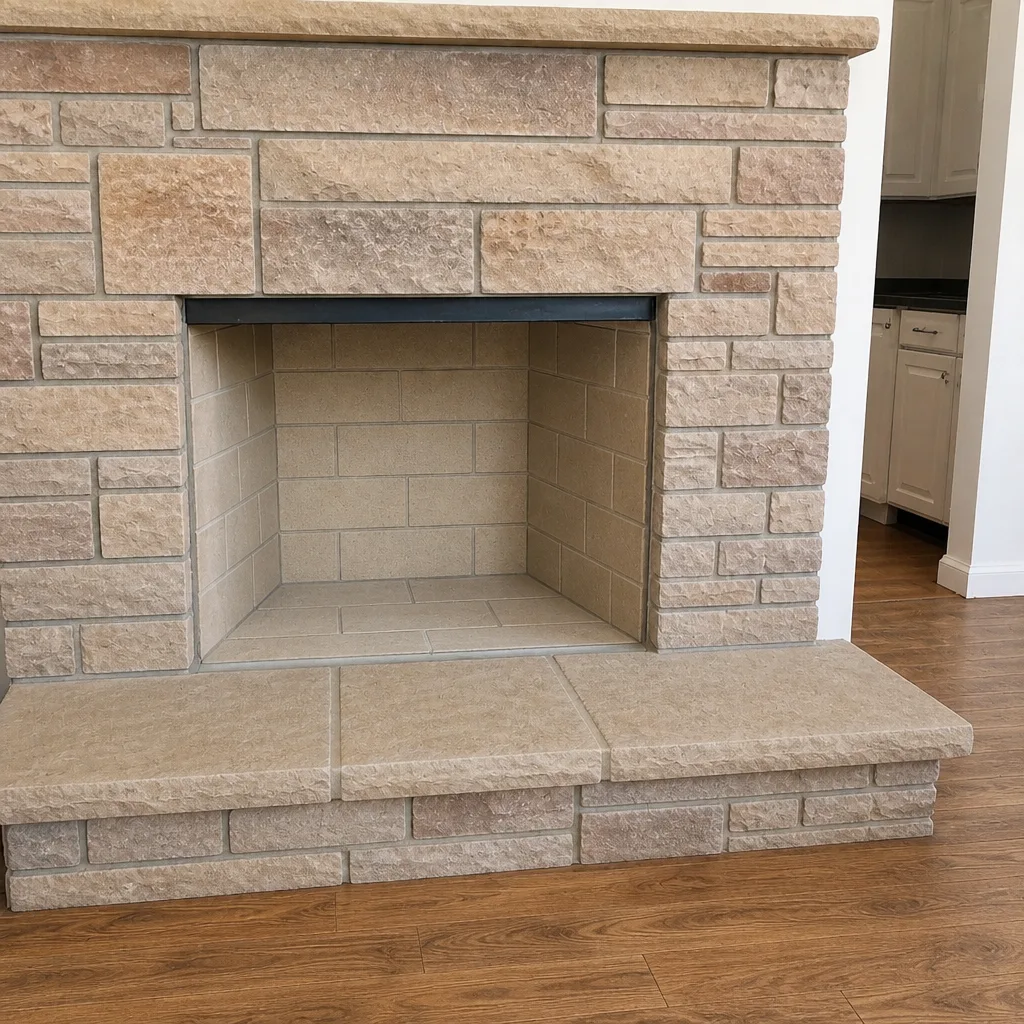 After
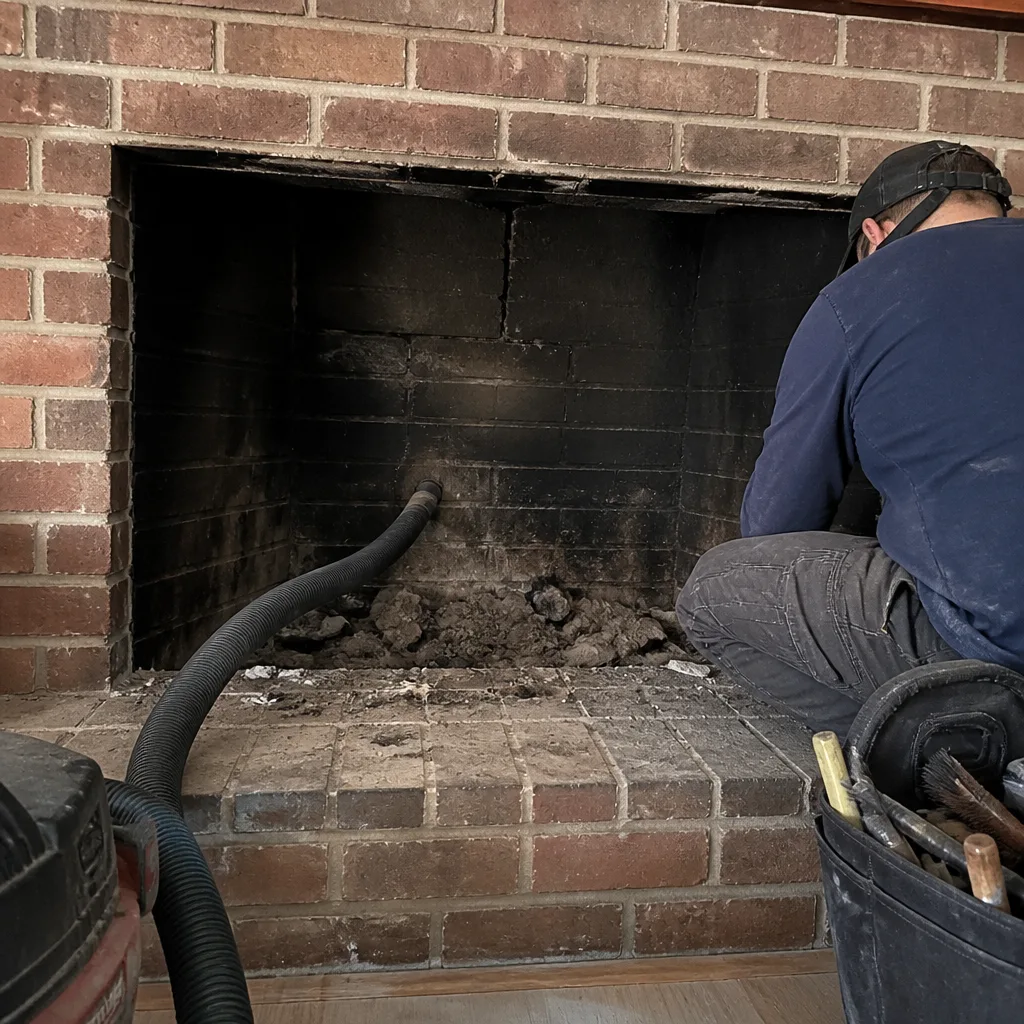 Before
 After
 Before
 After
Chimney Safety for Peoria Homeowners
Some hazards in a chimney are worth naming plainly, without exaggeration. Creosote in the flue is combustible. Once it builds up to the glazed stage, a hot fire can ignite it, and a chimney fire burns hot enough to crack flue tiles and damage the chimney structure. The carbon monoxide risk is separate: a cracked flue or a blocked vent can let combustion byproducts into the living space without any visible smoke. Neither of these is a reason to panic. Both are reasons an annual sweep and inspection exists.
What we won’t do is give you a step-by-step DIY flue-inspection guide. That work involves the roof, the flue interior, and confined access, and the tools that do the job safely are the tools a professional carries. What you can do is check the firebox for cracked bricks and the crown from ground level, look for missing caps and water stains, and confirm the damper opens and closes smoothly. If any of those checks turn up something, call us. We’ll tell you whether it’s a cleaning issue or a repair issue, and we’ll show you the camera scan.
Frequently Asked Questions
A full-service chimney sweep in Peoria typically costs $180 to $340 and includes the basic sweep, a level 1 inspection, a camera scan, and a written report. A basic sweep without inspection runs $79 to $150. Repairs found during the sweep are quoted separately. Call (866) 618-5984 for an exact quote – estimates are free.
You need a new liner only if the inspection shows a defect the existing liner can’t safely handle – cracked clay tiles, gaps in a stainless seam, or deteriorated sections. Many cracks can be spot-repaired. A camera scan shows you exactly what’s wrong, so you can see the reason rather than taking a technician’s word for it. Ask for the photo evidence before you agree to any liner work. Call (866) 618-5984 to schedule an inspection with documentation.
Once a year for wood-burning fireplaces and wood stoves, and once a year for gas fireplaces as well, though gas service focuses on venting and burner check rather than creosote removal. If your fireplace sees heavy use – multiple fires a week through the heating season – twice a year is worth considering. An inspection each year catches problems before they become repairs. Call (866) 618-5984 to book a sweep.
Creosote continues to accumulate. A flue that hasn’t been cleaned for two or three heating seasons can reach stage-three glazed creosote buildup, which is harder to remove and creates real fire risk. Separately, small defects in the flue – a hairline crack, a loose joint – can widen into a reline situation if nobody’s looking. The cost of a missed sweep is rarely on the sweep side. It’s on the repair side. Call (866) 618-5984 for a sweep and inspection – estimates are free.
Gas fireplaces don’t produce creosote, so the cleaning portion is lighter and the scope focuses on venting verification, burner check, and flue inspection. Typical Peoria pricing runs $120 to $200 for a gas fireplace service versus $180 to $340 for a full-service wood-burning sweep. The lower price doesn’t mean less thorough – it means the product of combustion is different. Call (866) 618-5984 to book either type of service.
Yes. Our estimates are free and the price is set by the written estimate before any work is booked. The inspection report will tell you what needs repair now, what can wait a season, and what materials would be involved – named by brand, so you can look them up. Nothing gets recommended without the camera evidence to back it up. Call (866) 618-5984.
The Bottom Line
Chimney cleaning costs in Peoria span a wide range, but the range is mostly about scope, not quality. A full-service sweep – basic cleaning, level 1 plus camera inspection, written report with photos, crown and cap check – typically lands at $180 to $340. A basic sweep at $79 to $150 covers less than half of that, and leaves out the inspection that actually protects the house. Repairs found during an inspection typically run $200 to $3,500, depending on what’s wrong and how long it’s been wrong. The arithmetic of five years of sweeps against a single chimney fire repair probably doesn’t need restating. The written estimate sets the final price. What matters is that you’re comparing quotes on the same scope, and you’re seeing the evidence that justifies any repair.
We work with named, professional-grade brands so you know what’s going onto your chimney – HeatShield for smoke chamber resurfacing, Gelco caps, Olympia Chimney components, Famco venting parts where they fit – and we handle sweep, inspection, and repair so nothing falls through the gap between them. Our technicians have up to 10 years of experience. Whether you’re in Peoria proper or a neighboring community, our Peoria page covers the service area.
Ready to know what your chimney actually needs this season? Call (866) 618-5984. We answer 24/7. Fast dispatch from 7am to 7pm, Sunday through Friday. Estimates are free, the written report includes camera evidence you can review, and we’ll tell you plainly when a repair can safely wait. Sweep, inspect, repair – one call.
Written by the team at Chimney Sweep Peoria.