
Last updated November 15, 2026
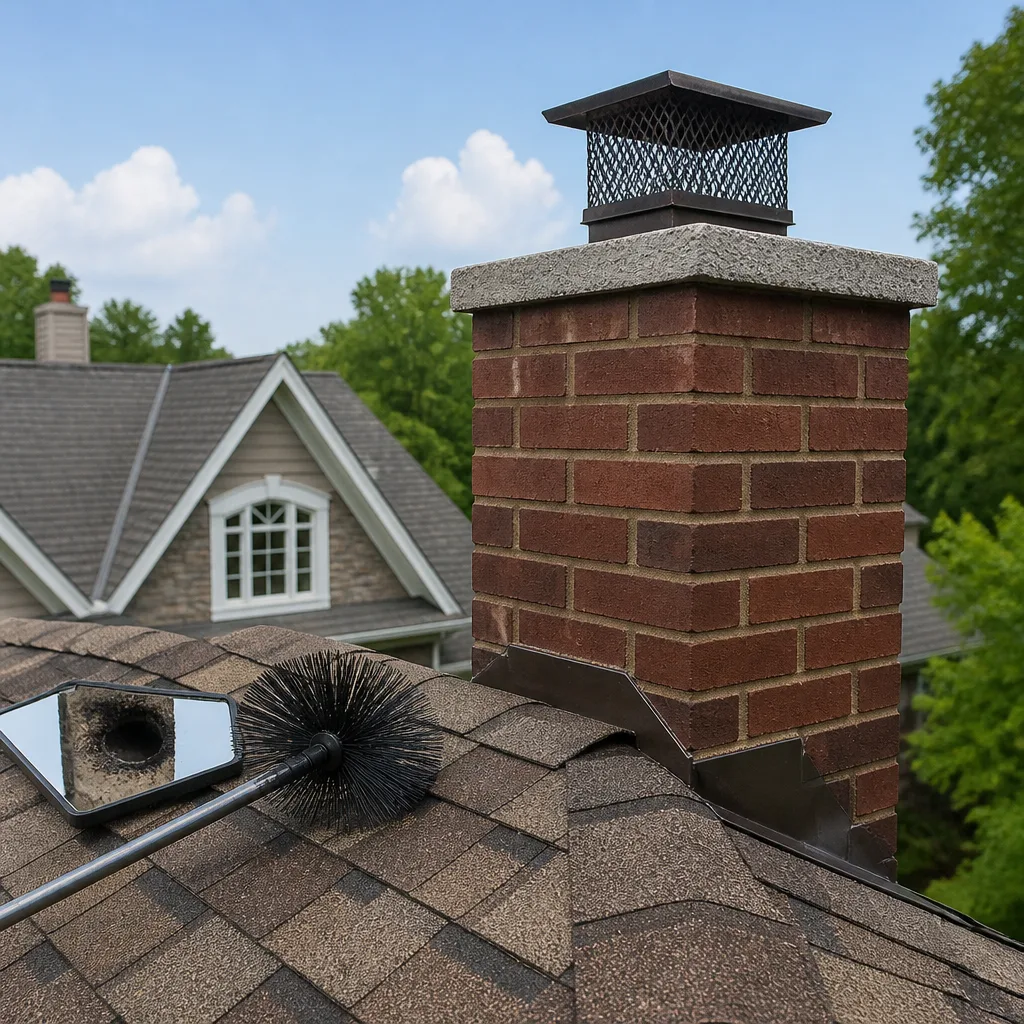 Sweep & inspection
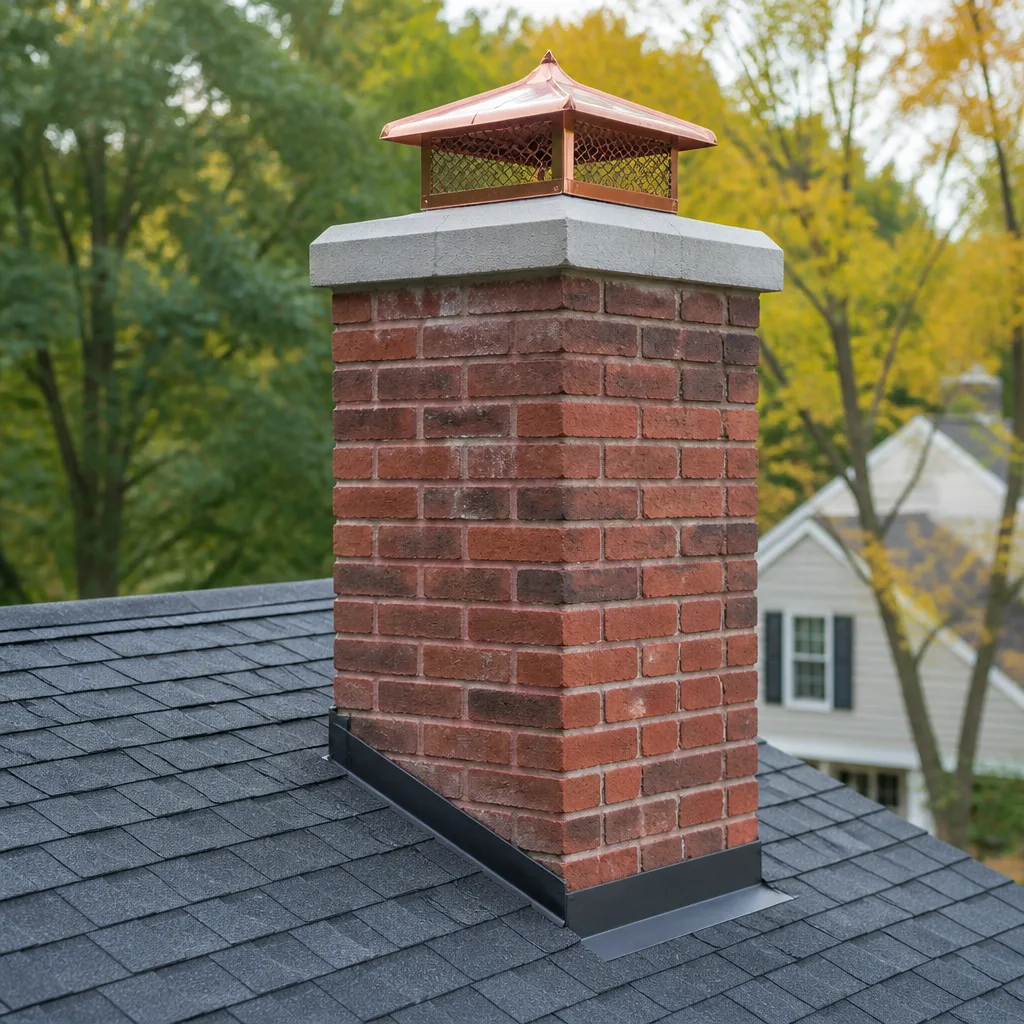 Caps & crowns
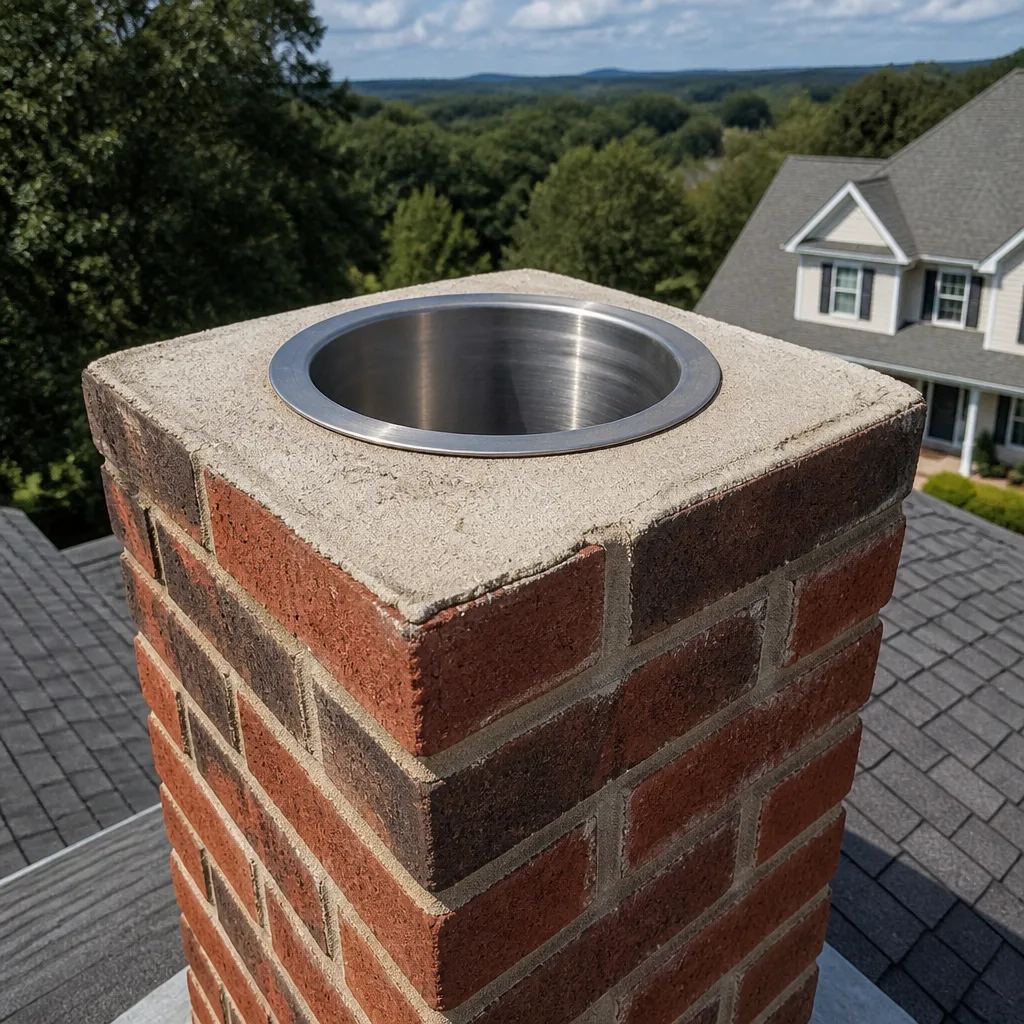 Flue relining
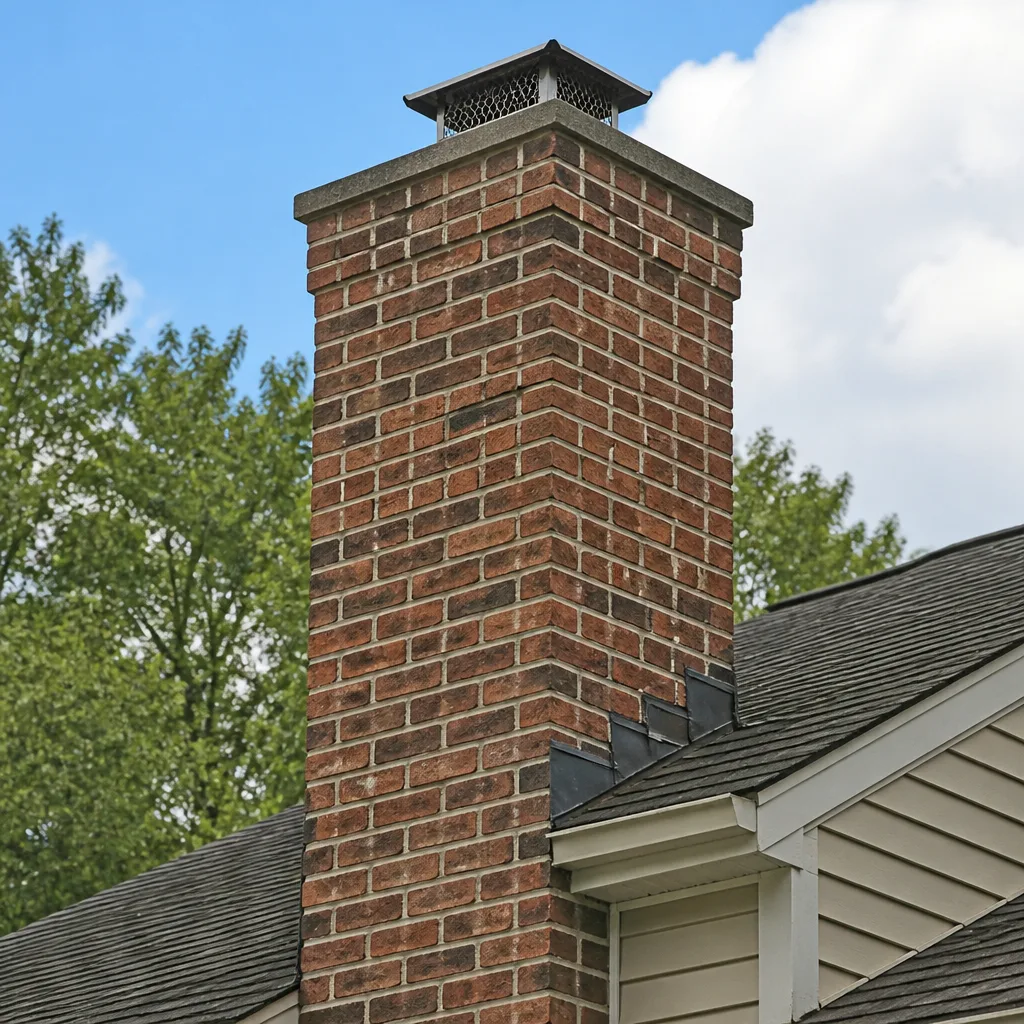 Masonry repair
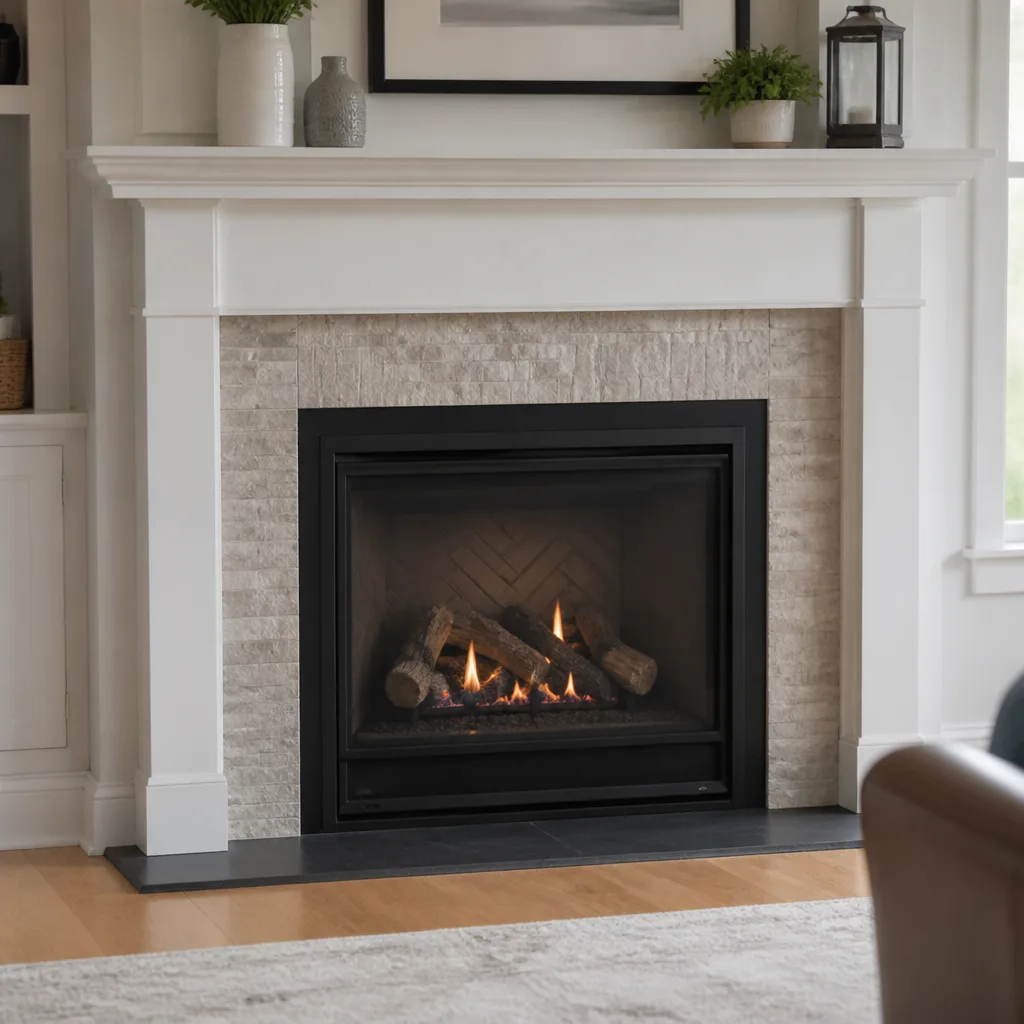 Gas fireplace service
Level 1 sweep and inspection to the NFPA 211 annual standard - flue, crown, cap, and flashing checked and photographed
Chimney sweep logs do not sweep chimneys. They loosen some creosote - which then falls where a brush and vacuum still have to collect it.
Choosing the Right Chimney Cleaning Brand: A Buyer’s Guide for Peoria
Two chimney sweeps can both advertise “professional chimney cleaning,” but one uses a rotary cleaning system with HEPA containment and a certified camera inspection, while the other uses a push rod and a flashlight. The invoices look identical. That gap is the whole problem with shopping for chimney work by price alone. Homeowners in Peoria are rarely lied to outright. They’re simply handed a service that looks complete and isn’t. What follows is a buyer’s guide to the things that actually separate a qualified chimney operation from one going through the motions: named equipment, named materials, verifiable credentials, and a written report you can read without a translator.
Quick Answer
Choosing the right chimney cleaning company in Peoria means checking four things: the equipment they can name and explain, the professional-grade materials they use (HeatShield, Gelco, Olympia Chimney, Famco and similar brands with published specs), current CSIA certification you can look up yourself, and a written inspection report with photographs and condition ratings. “Brand” in this trade is not a logo. It’s the tools, the materials, and the credentials a company can prove.
Styles & brands we work with
- Sweep & inspection
- Caps & crowns
- Flue relining
- Masonry repair
- Gas fireplace service
Table of Contents
- What “Brand” Actually Means in Chimney Cleaning
- The Equipment a Qualified Sweep Should Be Able to Name
- Repair Materials You Can Verify by Name
- How CSIA Certification Works (and How to Check It)
- What a Written Inspection Report Should Include
- How to Evaluate a Peoria Company Using Its Own Website and Quote
- Why Cleaning, Inspection, and Repair Belong Together
- Common Mistakes to Avoid
What “Brand” Actually Means in Chimney Cleaning
Consumers expect “brand” to mean a company name. In this trade, brand means the named products and systems a company brings into your home. A real chimney specialist can tell you which rotary system they use, whether their vacuum is HEPA-rated, what brand of chimney cap they install, and what liner system they recommend for your appliance. A company that can’t name any of it is telling you something.
Here’s what that looks like in practice. Our technicians have up to 10 years of experience, and every one of them works with a specific set of products we buy by name. DuraFlex liner systems for relining. HeatShield for resurfacing damaged flues. Gelco caps on top of the stack. Olympia Chimney and Famco for venting components. Copperfield for the specialty parts. These aren’t marketing names. Each one carries published specifications a homeowner or a contractor can look up independently.
That matters because the alternative is anonymous “contractor-grade” supplies. A chimney liner is not a generic tube. It’s a specifically rated stainless steel or insulated product, sized to your flue, matched to the appliance, and installed to a spec. When a company can’t tell you which brand of liner they’d use, they’ve likely never had to justify the choice.
Why this matters so much in Peoria specifically: winter here is mild, which means chimneys get used in short bursts rather than steady burn cycles. That pattern can actually disguise internal problems. A chimney that only fires up a dozen times a season doesn’t get the slow reroasting that exposes cracked tile over a full winter. The material failures stay hidden, and the brand and spec of what goes back in is the only real insurance you get.
The Equipment a Qualified Sweep Should Be Able to Name
A qualified chimney sweep should be able to name and explain the tools they use to clean and inspect your flue. If they can’t, they’re either using entry-level equipment or they don’t know what’s on their own truck. Either way, you’re getting less than the service you’re paying for. Here’s what a professional operation should talk about openly:
- Rotary cleaning systems. These use a motorized spinning head that follows the shape of the flue rather than a straight rod that only reaches where the rod reaches. On flues with offsets, corbeled brick, or clay tile liners, rotary systems are the only way to actually remove glazed creosote rather than polish it.
- Industrial HEPA vacuums. Chimney dust carries fine ash and soot particles small enough to stay airborne for hours. A HEPA-rated vacuum running negative pressure on the firebox is what keeps it out of your living room. You should be able to see the vacuum unit; if it lives in a closet and nobody mentions it, ask.
- Video inspection cameras. A camera on a flexible cable that records retrievable footage of your flue interior. “Retrievable” is the key word. If they can’t show you the footage, you’re taking their word for what’s in there.
- Smoke chamber tools. The smoke chamber is the funnel above the firebox, and it’s the most commonly neglected part of the system. It needs to be scraped and shaped, not just dusted, and the tools for that are specific. Ask whether the smoke chamber is addressed at all.
- Flashlight and mirror backup. The old manual inspection still has a place. Optical checks catch joint separations the camera might miss.
If a company advertises “professional chimney cleaning” in Peoria but can’t tell you what equipment they’ll bring, that’s a yellow flag. When they can’t name their equipment and can’t explain why they use it, treat it as a red one. For an in-depth explanation of what a chimney sweep actually does during a visit, our chimney sweep page walks through the process step by step.
Repair Materials You Can Verify by Name
Repair materials you can verify independently are the second half of the “brand” question. Cleaning is the easy part. The materials that go into repair work determine whether the repair lasts five years or thirty. A homeowner should never be asked to accept an unnamed product. Here are the categories worth understanding:
- Crown and flue resurfacing systems. HeatShield’s Cerfractory product reskins a damaged flue interior with a ceramic-cement coating applied to spec. It’s tested and documented, which means if a company recommends it, you can go read what it is and what it’s rated for yourself.
- Refractory mortar. FireStop and similar refractory mortars are designed to withstand repeated heating cycles. Standard mortar will crack and fall out. If a company proposes to repair a firebox with ordinary masonry mortar, that’s the wrong product.
- Stainless steel liner systems. DuraFlex liners are installed to rated specs for the appliance type. Gas appliances, wood appliances, and oil appliances each call for different liner ratings, and the brand choice plus the spec matter more than the price per foot.
- Chimney caps. Gelco and similar caps are sized to the flue and mounted to spec. An undersized or generic cap lets water in, and water is the number one destroyer of chimneys in this climate.
- Vent and specialty components. Olympia Chimney and Famco supply venting and specialty parts that meet code when installed correctly. These are the pieces that show up on inspection reports as “incorrectly installed vent connector.”
What separates a written quote that names these from one that doesn’t is accountability. A quote that says “install new liner” could be anything. A quote that says “install DuraFlex insulated liner, 6-inch, rated for wood appliance, with new top plate and cap” is a document you can take to a second contractor for comparison. We lean on the second kind because it’s the only kind a careful homeowner can actually evaluate. Structural fixes found during a sweep are the reason we handle chimney repair directly rather than sending you shopping for a second trade.
How CSIA Certification Works (and How to Check It)
CSIA certification is the verifiable baseline in this trade, and it is not a marketing badge. The Chimney Safety Institute of America certifies individual technicians, not companies, and maintains a public directory you can search yourself. When a company claims “CSIA certified,” the thing you want to confirm is which of their technicians hold the certification and whether it’s current. Certification requires passing an exam and continuing education, so the status has an active/inactive state. The directory updates as certifications change.
Here’s how to check it in two minutes:
- Go to the CSIA website and open the “Find a Professional” lookup.
- Search by the company name, or by city and ZIP for Peoria.
- Look at the results and confirm each technician listed is associated with the company you’re evaluating.
- If the company isn’t in the directory at all, that’s your answer.
There’s a common misunderstanding worth clearing up: CSIA certification does not cover pricing, service guarantees, or business practices. It covers technical competence and adherence to the industry’s standard of care. That’s exactly what you want it to cover. It means the technician who shows up has demonstrated they know how a chimney system works, what a proper inspection includes, and how to do the work safely. It does not mean the company is the cheapest option or the biggest operation. It just means the technical baseline is real.
For a Peoria homeowner, this matters because the local chimney market is full of generalists who tack “chimney cleaning” onto a broader handyman offering. A current CSIA technician is the fastest way to separate a dedicated specialist from a sideline operator. Ask for the certificate, then use the directory. Any company that hesitates at that request is telling you what you need to know.
What a Written Inspection Report Should Include
A qualified chimney inspection should produce a written report when the visit is over, not a verbal summary on the way to the truck. A written report is the actual deliverable of an inspection. Cleaning is a service; the report is the documentation that tells you the current state of your system and what, if anything, needs attention next. Here’s what a real report includes:
- Observations by component. The firebox, damper, smoke chamber, flue, crown, cap, and exterior should each be addressed separately. A report that just says “chimney is in good condition” tells you nothing.
- Photographs. The camera footage should produce stills included in the report. You should see what the technician saw, not just a written description.
- Condition ratings. Each component gets a rating, usually on a scale like “good, fair, poor” or “servicable, attention needed, replacement recommended.” The rating is what the recommendation rests on.
- Recommended actions with priority levels. Safety items (a cracked flue tile, a damaged cap that lets water in) are separated from maintenance items (sweep again before next season). Not every finding is urgent, and a good report says so explicitly.
- Appliance-specific notes. Wood-burning and gas appliances operate differently and wear differently. The report should be written for the appliance you actually have.
That last part matters more in this climate than people realize. Homeowners in Peoria often run a fireplace in short sessions during the mild winter, then leave it dormant the rest of the year. That pattern produces less heat stress on the flue but more opportunity for moisture intrusion via the crown and cap, which is why those components get called out specifically in the report. If a company hands you a report with nothing more than a checklist and a total, ask them to redo it with the component-level observations and photos included. An inspection without evidence is just an opinion. Our own Chimney Sweep Peoria process is documented the same way, and every report goes home with the customer.
How to Evaluate a Peoria Company Using Its Own Website and Quote
You can evaluate a Peoria chimney company without calling them, using only their own website and a request for a written quote. Their site tells you what they can name. Their quote tells you whether they can commit to specifics. Here’s what to look for, and the red flags to watch for:
Green flags on the website
- Specific brand names appear in the service descriptions (HeatShield, Gelco, Olympia Chimney, Famco, DuraFlex, and similar).
- The site explains the difference between Level 1, 2, and 3 inspections, and when each applies.
- Certifications are listed with a specific organization (CSIA), not vague “certified technicians.”
- Pricing is described as an estimate range with a written quote to follow.
- There is a page or section that names the three core services clearly: sweep, inspect, repair.
Red flags
- No brand names anywhere. “Contractor-grade materials” is the phrase of every company that has no idea what’s on their truck.
- “Free estimate” with a number that’s suspiciously low. Chimney work is priced per job by a written estimate because the system’s condition varies so much.
- No mention of inspections at all, just “cleaning.”
- Guarantees that cast no light on anything: “100% satisfaction,” “best in the business.”
- “Family-owned” as the lead selling point with no technical content behind it.
What to demand in the written quote
- The brand name and product line of every material item.
- The specific service being performed and what it covers.
- Whether an inspection is included and at what level.
- A line item for anything the inspection found that isn’t being addressed now.
- A clear statement of what will be done, and what will not.
This is also the perfect place to check whether a “complete” quote is actually complete. We’ve seen Peoria quotes that list “new cap” with no brand and no spec. A Gelco cap and a generic hardware-store cover are not the same product. If the quote names the brand, you can look it up. If it doesn’t, ask why. Our Peoria page has a bit more on how we approach each of these evaluation points in practice.
Why Cleaning, Inspection, and Repair Belong Together
Your chimney is a system. A crack in the crown affects the flue, a damaged flue tile affects the smoke chamber, a failed cap lets water into the masonry, and a chimney sweep who isn’t also an inspector-and-repair specialist leaves you with three separate appointments and no one accountable for the whole. That’s the structural reason to look for a company that handles sweep, inspect, and repair under one roof.
Here’s what the divided version looks like in practice. A cleaning company sweeps and issues a report noting “liner concern, refer to specialist.” You call the specialist, who inspects and quotes a reline. You then schedule the reline for a different day, with a different company, and hope the first company’s report was complete. If the report missed something, you have a finger-pointing gap between two vendors, and you’re the one stuck in the middle. If a single company handles all three, the sweep finds the problem, the inspector documents it, and the repair gets scheduled in the same conversation. That’s the value of single-contractor accountability.
The chimney-only specialization angle is real here too. A generalist who sweeps a chimney in the morning and installs a water heater in the afternoon is not developing deep expertise in creosote behavior, flue tile physics, or liner spec. Chimney work is a specific discipline. The right specialist spends all their time on it, which is why the brand names they use matter. They use DuraFlex, HeatShield, Gelco, Olympia Chimney, Famco, and Copperfield because those are the products they buy by name, install to spec, and stand behind. When a company is split across unrelated trades, they rarely have time to develop that kind of brand fluency.
Peoria homeowners who ask us to handle all three services get something else that’s harder to buy: continuity. The same team that swept the chimney last season is the team that knows its current state when it comes time for the next sweep. That continuity matters more than any single visit.
Common Mistakes to Avoid
- Chasing the lowest quote. A price that’s 30% below other quotes on a liner job is a signal the material is generic and the spec is unstated. A real liner quote names the brand and the rating.
- Trusting “certified” without checking. “Certified chimney sweep” on a website means nothing if you can’t find the technician in the CSIA directory. Verify it in two minutes.
- Letting a cleaning happen with no inspection. A sweep without an inspection is just scraping soot off a problem. An inspection is the whole point of the visit.
- Accepting a verbal report. Ask for the written report with photos and condition ratings. A report you can’t read on paper won’t protect you if something goes wrong.
- Hiring a generalist because they’re already there. A handyman who happens to clean chimneys does not spend all their time doing it. The gap between sweep-level and specialist-level work is where real structural problems hide.
- Waiting until the fire won’t light. Chimney problems do not announce themselves. By the time smoke is backing into the room, the chimney has usually been failing for a while. Book a sweep and inspection before the next heating season starts.
- Ignoring what the report called out. If the report flagged a cap issue, a crown crack, or a flue tile separation, schedule the repair. Deferred work has a way of compounding.
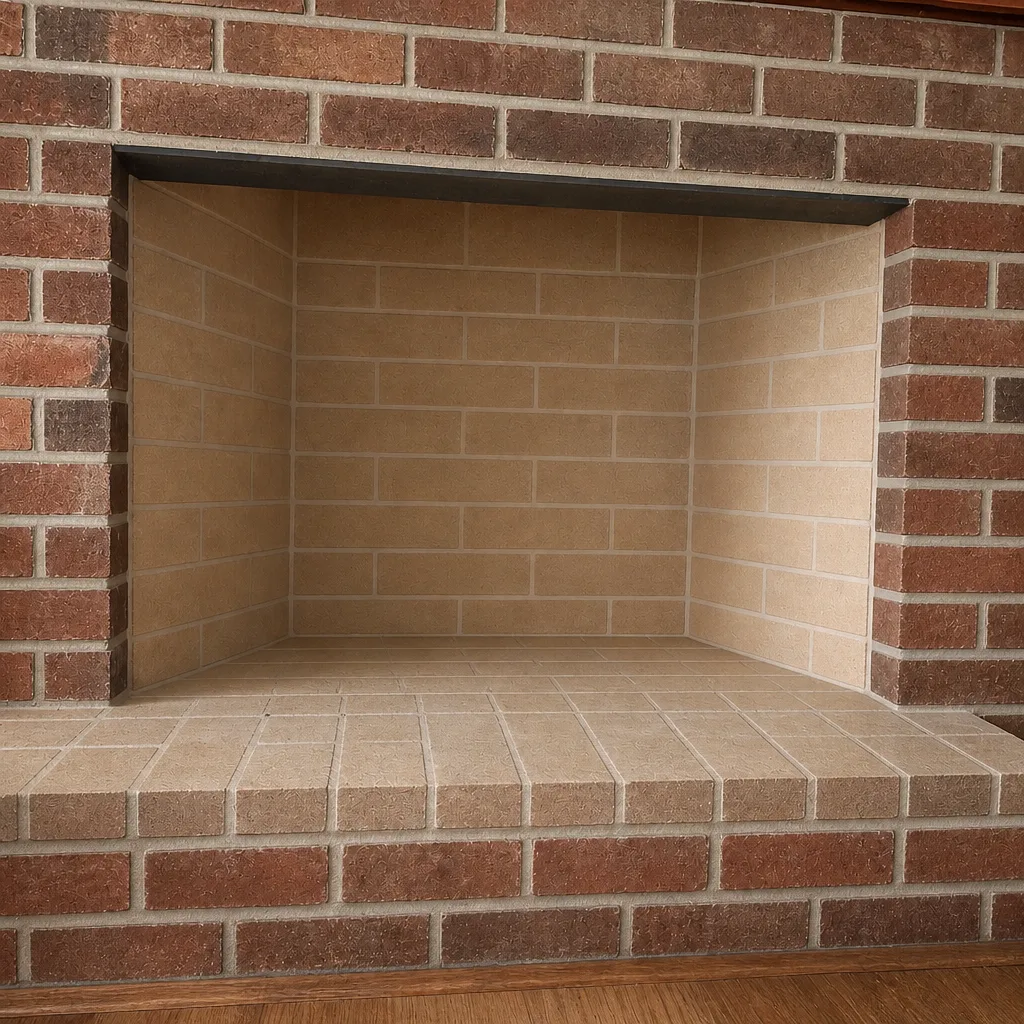
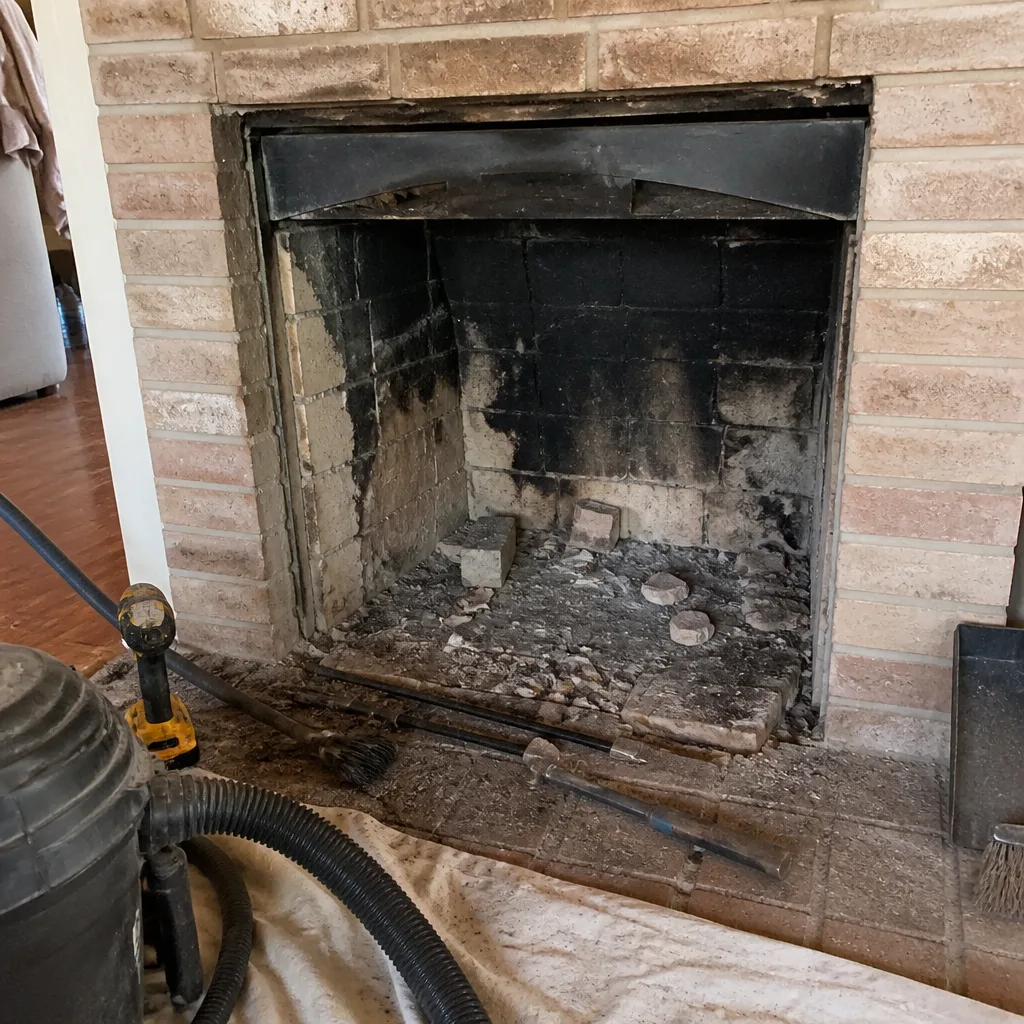
See the difference
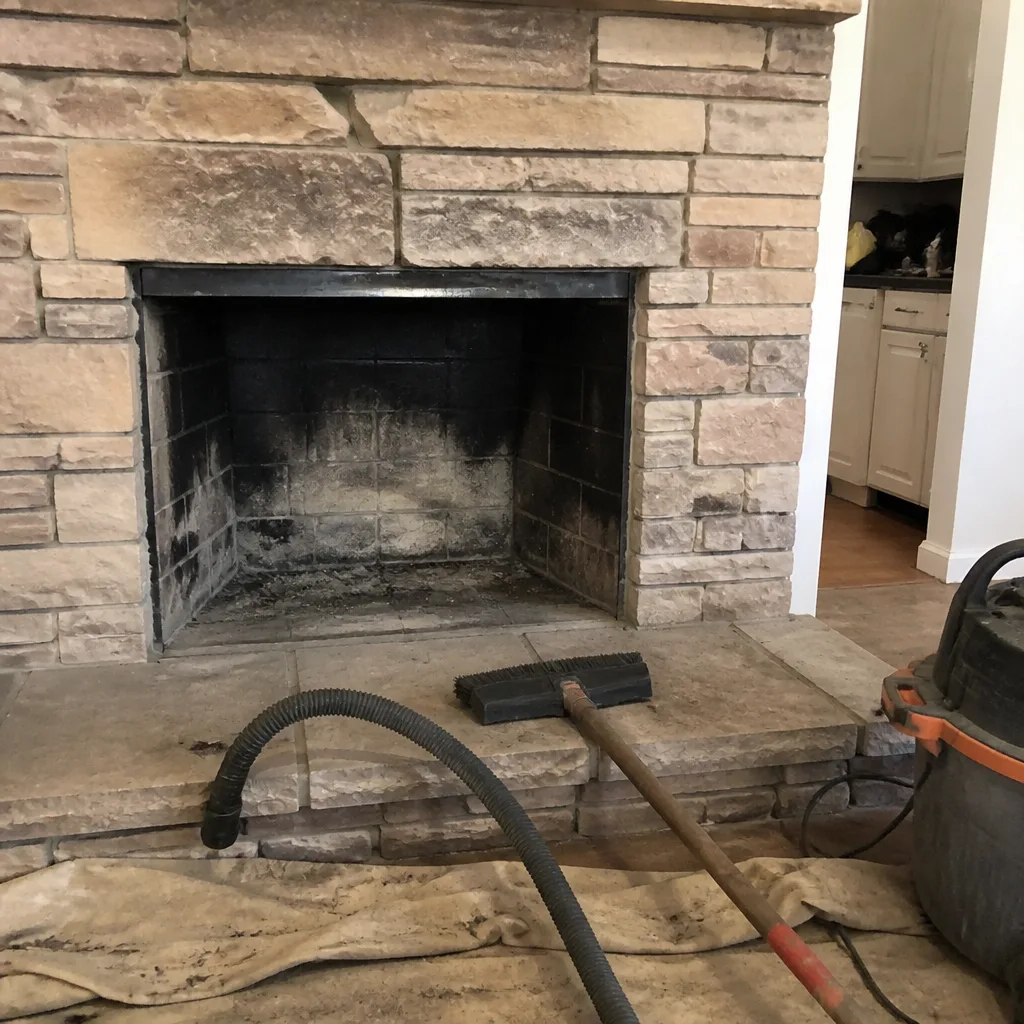 Before
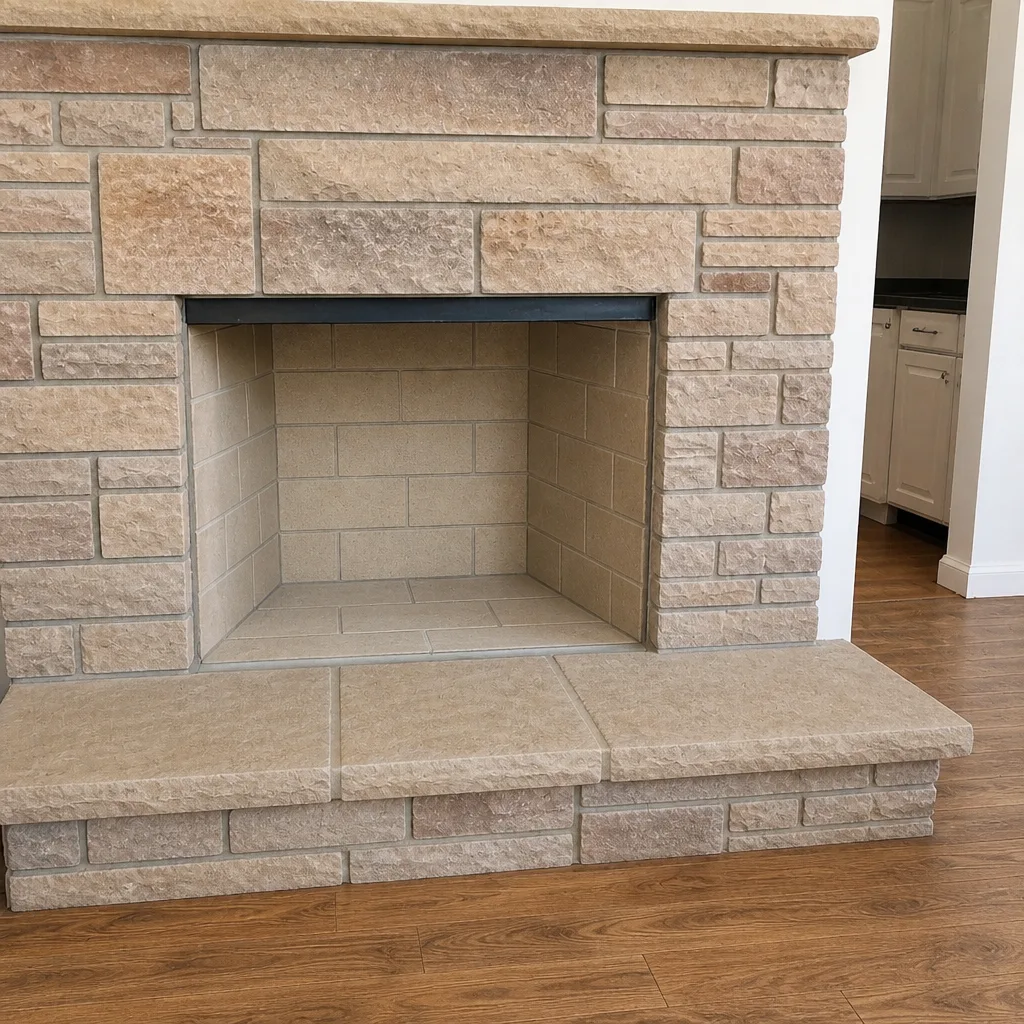 After
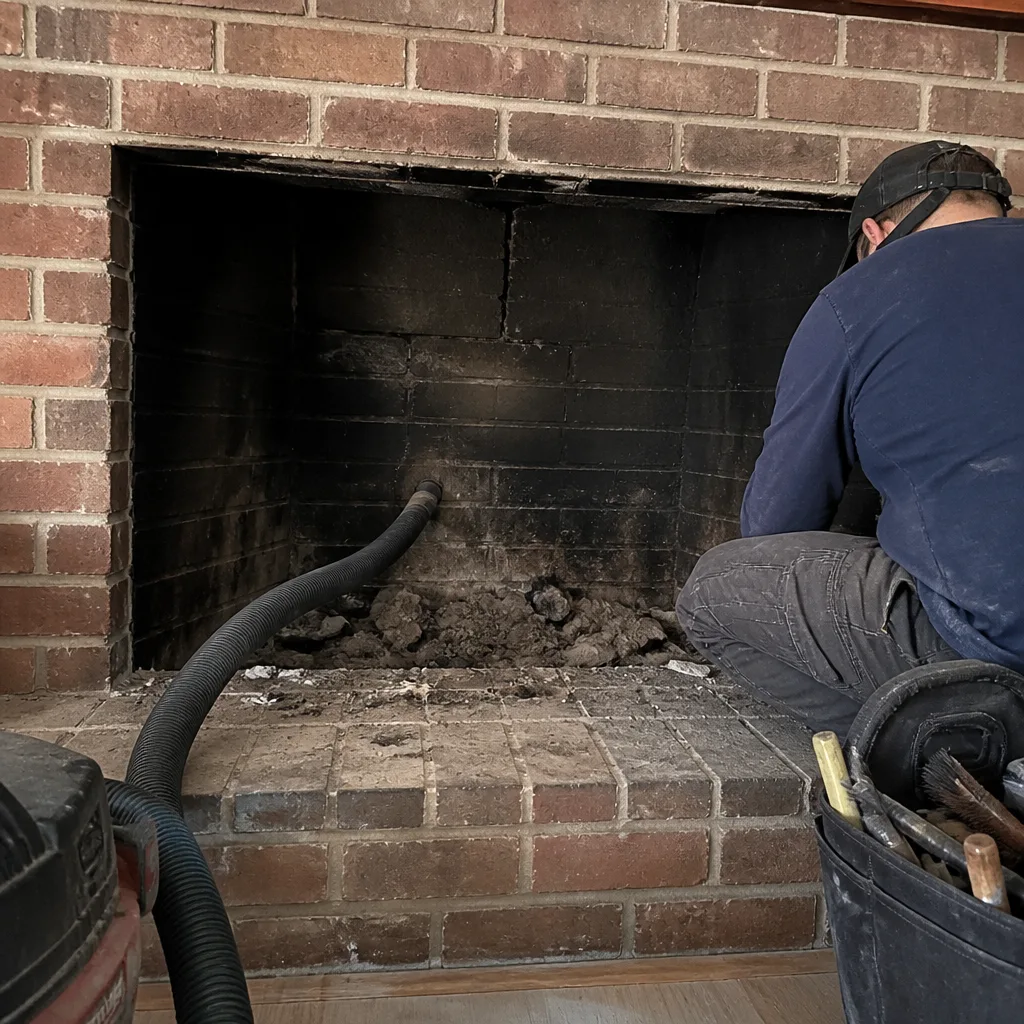 Before
 After
 Before
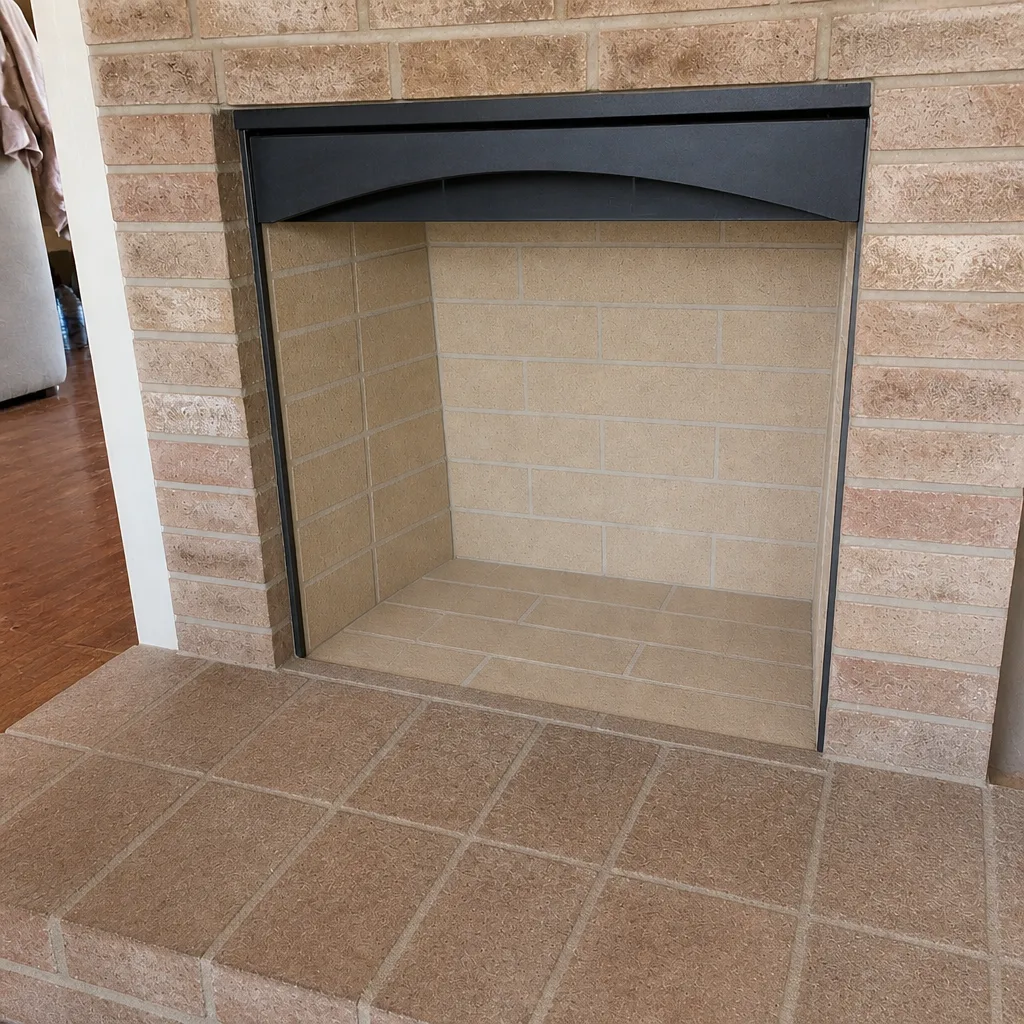 After
When to Call a Professional
Call a professional when any of the following is true: you haven’t had the chimney swept and inspected in over a year of use; smoke comes back into the room when you burn; you smell a strong, sour, or smoky odor coming from the fireplace when it’s not in use; you’ve had a chimney fire, even a small one; the cap is missing, damaged, or the wrong size; the firebox shows cracked mortar or missing brick; or you’re buying a home in Peoria and want the system inspected before closing. Chimney Sweep Peoria offers free estimates in Peoria – call (866) 618-5984. We’ll tell you what we find and what can wait.
Frequently Asked Questions
Check three things: CSIA certification via the public directory, the equipment and materials the company can name, and whether they produce a written inspection report with photos. Any one of those missing is a strong signal to look elsewhere. Call (866) 618-5984 for an exact quote on a sweep and inspection – we’re happy to walk through all three before you book.
Because brand-name materials have published specifications you can verify, and generic materials don’t. A DuraFlex liner, a HeatShield resurfacing, a Gelco cap, and Famco venting components are all documented products with ratings you can look up. When a company specifies the brand, they’re accountable to a standard. When they don’t, they aren’t.
No. It guarantees the certified technician has passed the industry exam and stays current on the standard of care. That’s a real baseline, but it’s a baseline, not a guarantee. Combine it with what the company names, what the quote says, and what the written report looks like. Call us for a free estimate and you’ll see the difference in the documentation itself.
A proper report includes observations by component (firebox, damper, smoke chamber, flue, crown, cap, exterior), photographs of what the camera saw, condition ratings for each component, and recommended actions with priority levels. Reports that only say “chimney is in good condition” or hand you a checklist are not adequate. Call (866) 618-5984 to schedule one that is.
You shouldn’t have to. The whole point of hiring a company that handles sweep, inspect, and repair is that a single visit covers all three. A sweep without an inspection is just scraping soot off a problem. A qualified company does both in the same visit and quotes any repair the inspection finds.
That’s a reasonable choice, and a good report will tell you what can safely wait and what can’t. Safety items get prioritized, maintenance items get noted for later. A company that pushes you into thousands of dollars of liner work with no photos and no component list is not a company to trust. Call (866) 618-5984 and we’ll show you the evidence before we recommend anything.
The Bottom Line
Choosing the right chimney cleaning brand in Peoria comes down to verifiable specifics. The equipment the company can name. The materials they use and their published specs. Current CSIA certification you’ve checked yourself. A written inspection report with photos and condition ratings. A quote that names brands and product lines. And a company that handles sweep, inspection, and repair as one integrated service, so nothing falls into the gap between vendors. Get those right and you’ve got a chimney you can trust through every heating season. Call (866) 618-5984 for a free estimate – we’ll walk you through exactly what your chimney needs and what can wait.
We answer 24/7. Fast dispatch, 7am-7pm. Free estimates in Peoria.
Written by the team at Chimney Sweep Peoria.