
Last updated November 15, 2026
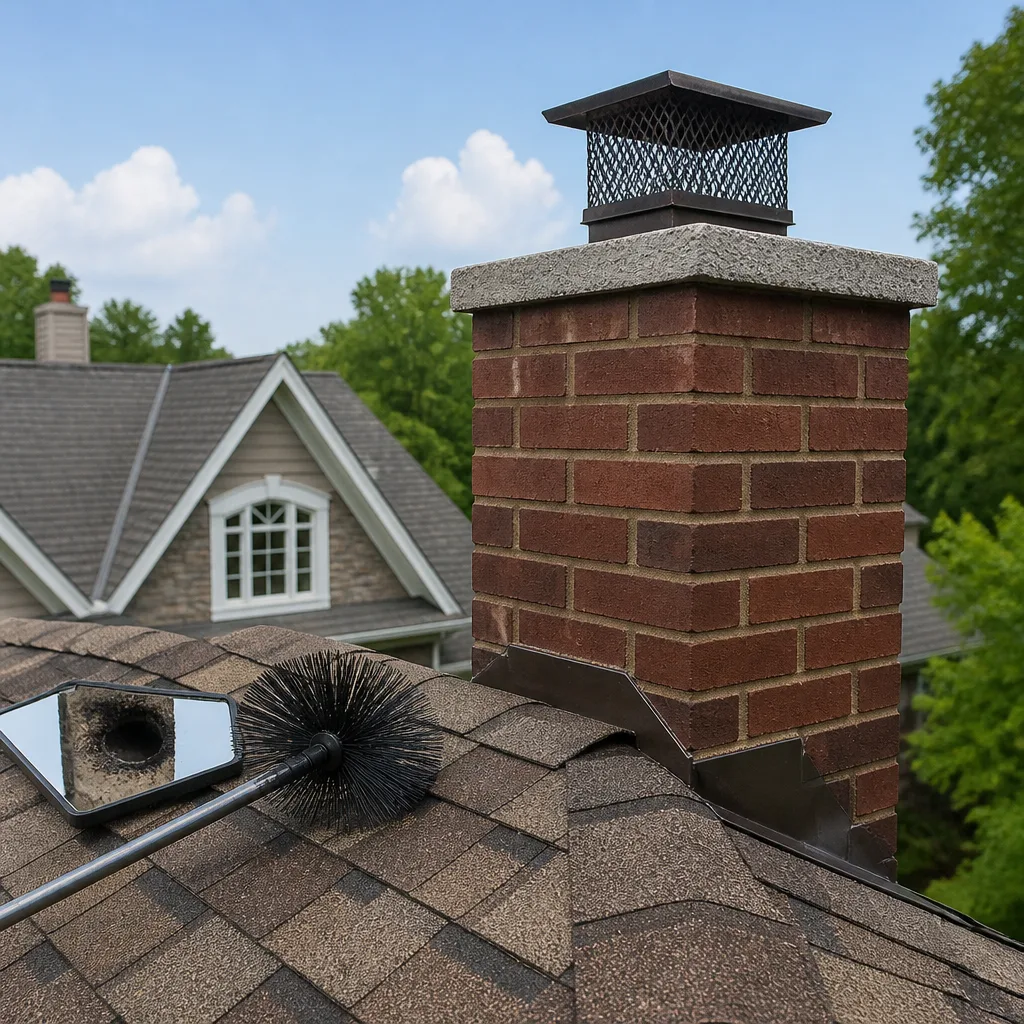 Sweep & inspection
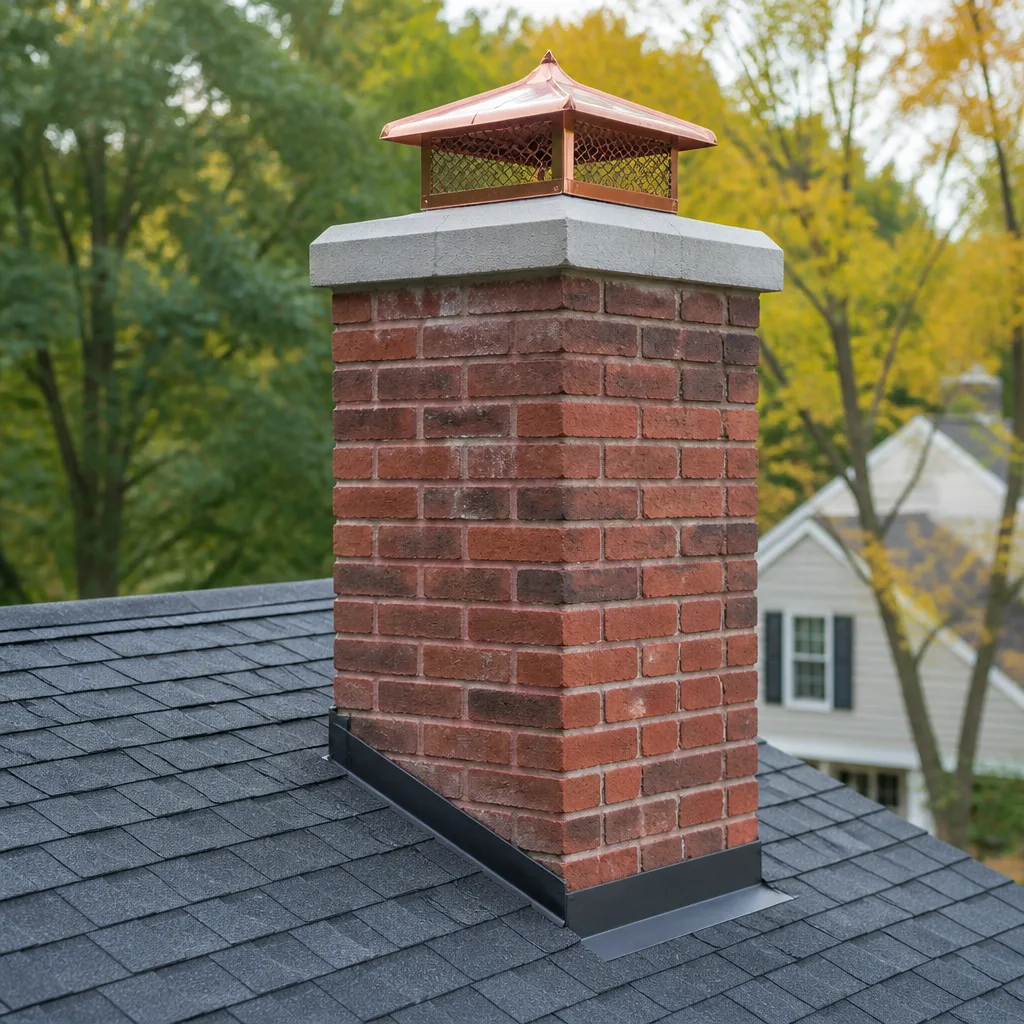 Caps & crowns
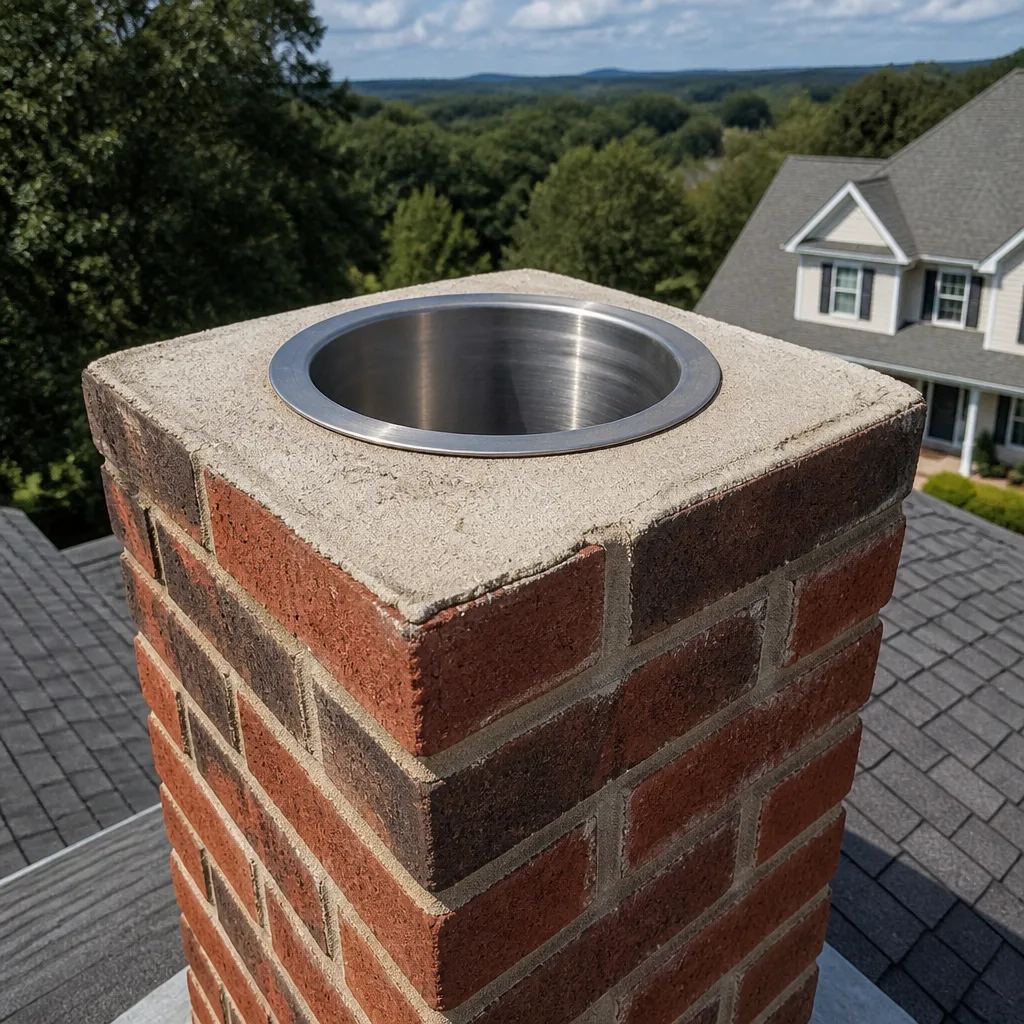 Flue relining
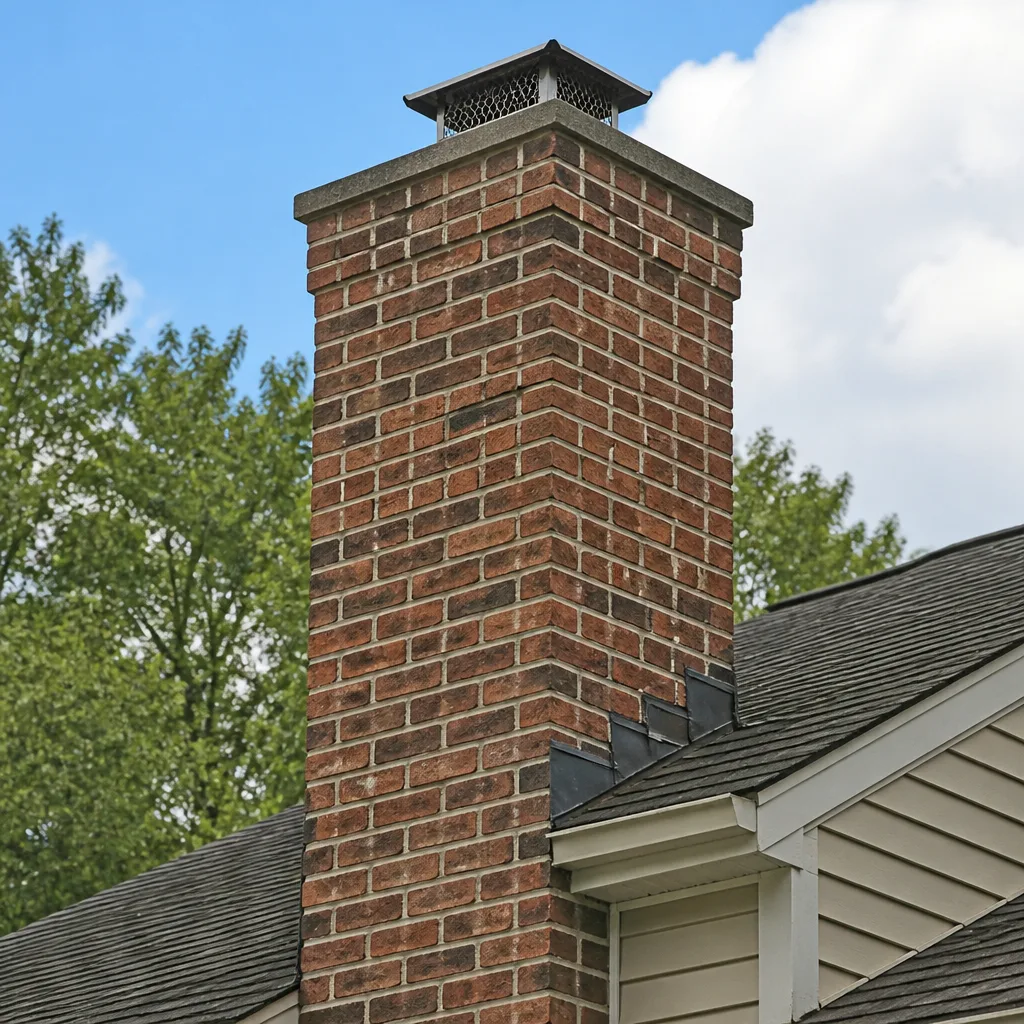 Masonry repair
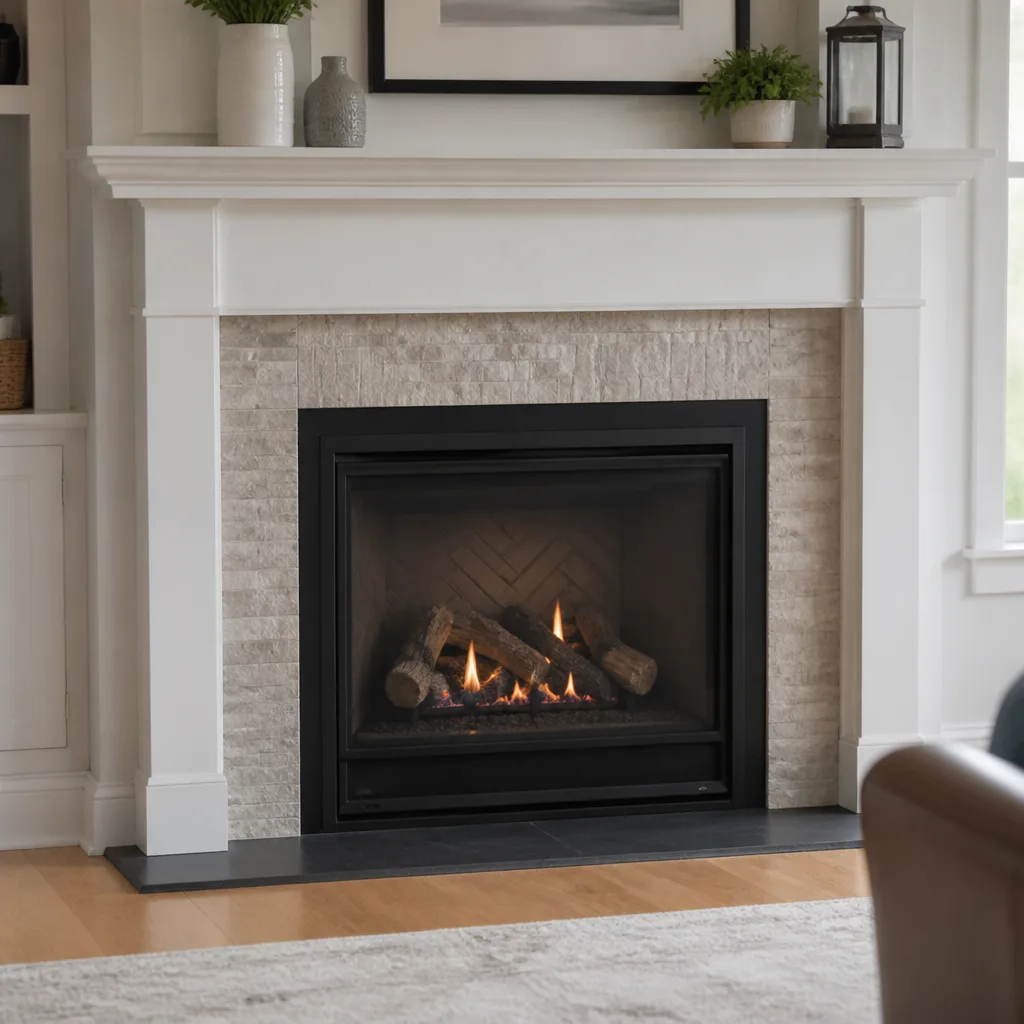 Gas fireplace service
Level 1 sweep and inspection to the NFPA 211 annual standard - flue, crown, cap, and flashing checked and photographed
Chimney sweep logs do not sweep chimneys. They loosen some creosote - which then falls where a brush and vacuum still have to collect it.
DIY vs Professional Chimney Cleaning: The Peoria Homeowner’s Decision Guide
You can buy a chimney brush at a hardware store and run it down your flue. That part is true. What’s also true is that the brush never touches the smoke shelf above your throat damper, and that shelf is where stage 2 creosote accumulates fastest and where a large share of chimney fires begin. The gap between DIY and professional cleaning isn’t skill or effort. It’s access. This guide maps the inside of your chimney system, marks exactly which parts a homeowner with consumer tools can reach, shows what a professional sweep actually does that a brush physically cannot replicate, and explains the insurance question that comes up after a chimney fire. If you heat with wood in Peoria, you’ll finish knowing which parts of your chimney you can safely handle and which require a trained eye. Call (866) 618-5984 for a free estimate.
Styles & brands we work with
- Sweep & inspection
- Caps & crowns
- Flue relining
- Masonry repair
- Gas fireplace service
Quick Answer
DIY chimney cleaning only makes sense as light debris removal from a system that was recently inspected and found clean. For anything else, professional cleaning wins because consumer brush kits clean the flue column but do not reach the smoke shelf, do not dislodge hardened stage 2 creosote, and provide no diagnostic information about your liner, crown, or firebox. Without a camera inspection and a written condition report, you cannot know whether the chimney you just swept is actually safe to burn in.
Table of Contents
- A Physical Map of Your Chimney System
- What a DIY Brush Kit Actually Reaches
- What a Professional Sweep Does That a Brush Cannot
- The Three Degrees of Creosote and Why They Matter
- The Insurance Dimension: Documentation and Claims
- When DIY Makes Sense (and When It Creates False Confidence)
- Chimney Care in Peoria: Climate, Housing, and Timing
- How to Choose a Chimney Specialist
- Common Mistakes to Avoid
- When to Call a Professional
- Frequently Asked Questions
- The Bottom Line
A Physical Map of Your Chimney System
A chimney is not a pipe. It’s a stack of distinct components, each doing a different job, and most of the safety-critical ones sit below the point where a consumer brush stops. If you understand the map, the whole DIY-versus-professional question answers itself. Here’s the system from bottom to top, and who can actually do something useful at each stage:
- Firebox: the masonry box where the fire burns. Homeowners can sweep ash and vacuum the floor. Cracked firebrick or a damaged grate is a structural signal that needs professional evaluation.
- Throat damper: the metal flap above the firebox. You can open and close it, and you can see the top edge by looking up with a light. You cannot clean the shelf above it.
- Smoke chamber: the sloped transition from the firebox up into the flue, technically a separate chamber with its own purpose. It holds smoke briefly and shapes draft. It is inaccessible from below without removing the damper or entering from the top, and it’s where a professional spends a meaningful part of a sweep.
- Smoke shelf: the horizontal ledge at the bottom of the smoke chamber. Smoke slows here, and so does the creosote it carries. This is the specific place a brush bypasses and fires often start.
- Flue and liner: the vertical column that carries exhaust out. A consumer brush can pass through a clean flue and knock loose light soot. It cannot reach offsets, and it cannot tell you whether the liner is cracked.
- Crown and cap: the concrete top of the chimney and the covering above the flue. A homeowner can see these from the ground. Evaluating them safely requires getting to the roof, which is a whole different risk category.
Look at that list again and count how many components a brush actually touches. Two, at best, and one of them only partially. Our technicians have up to 10 years of experience with this system, and the single most consistent finding is that a homeowner who sweeps regularly still has an uninspected smoke chamber. If you’re in Peoria and you’ve been doing your own cleaning for a few seasons, that’s the section of your chimney nobody has looked at closely.
What a DIY Brush Kit Actually Reaches
A standard consumer chimney brush kit does three things well and three things badly. Getting a clear-eyed view of both sides is how you decide whether to climb the roof yourself. We’re not against homeowners knowing their systems; we’re against them believing a brush has covered more ground than it has.
What a consumer kit does well:
- Removes loose soot from an already-clean flue. If your chimney was professionally cleaned recently and you burned through a light season of wood, a soft brush pass can knock off the surface dust.
- Addresses visible ash in the firebox. A shop vacuum with a proper filter and a firm brush gets the floor of the firebox clean.
- Lets you keep an eye on external conditions. Looking at your crown and cap from the ground on a clear day tells you if something has obviously shifted or loosened.
What a consumer kit does not do, no matter how hard you work at it:
- It does not reach the smoke shelf. The brush passes vertically through the flue and stops above the damper. The shelf sits in the smoke chamber, off the vertical line, and the only way to scrape it is with a flexible rod and a purpose-made scraper from above or from the firebox with the damper pulled.
- It does not dislodge stage 2 creosote. Once creosote has cured into a hardened, glazed layer on the flue wall, brushes skip over it. Only rotary cleaning systems, chemical treatments, or replacement address it. For more on how this gets resolved when it’s found, see our page on chimney repair.
- It provides no diagnostic data. A brush cannot tell you whether a flue tile is cracked, a liner joint is failing, or a crown is spalling. You finish the job with no idea whether the chimney you just cleaned is safe.
That last point is the one that matters most. The value of a professional sweep isn’t only the cleaning. It’s the information that comes out of it.
What a Professional Sweep Does That a Brush Cannot
A professional sweep is a cleaning plus an inspection plus a record. Skip any of those three and you’ve left something out. Here’s the sequence a properly run sweep follows, in order. If your current provider skips any step, that’s worth noticing.
- Pre-clean visual walkaround. We look at the crown, cap, flashing, and exterior from the ground and from the roof. Cracks, missing cap screens, rusted caps, and loose flashing get flagged before anything inside is touched.
- Drop cloth and containment. The firebox is sealed off before cleaning starts. A sweep that doesn’t contain dust is a sweep that leaves your living room dusty for a week.
- Rotary cleaning of the flue. Professional rotary systems use a spinning head with adjustable whip assemblies that contact the flue wall at a controlled pressure, which is what actually breaks soot loose without cracking tiles. Hand-driven brushes can’t apply even pressure.
- Smoke chamber scraping. This is the step most DIY attempts cannot do at all. The damper is pulled or the chamber is accessed from the top, and the smoke shelf is scraped down with a dedicated tool.
- Camera inspection. A camera on a flexible rod runs the flue and photographs the liner, the joints, and any offsets. You see the pictures. You don’t take our word for it.
- Written condition report. What we found, what it means, whether it needs work now or later, and what we’re basing that on. A chimney sweep is only as useful as the record it leaves behind.
- Recommendation and, if needed, repair in the same visit or by scheduled follow-up. Because we sweep, inspect, and repair under one roof, a liner or crown issue found during the sweep doesn’t get handed to a second company.
Products matter here too. When a damaged liner has to be replaced, we install DuraFlex liner systems. When a smoke chamber needs resurfacing, we use HeatShield. When a cap is missing or failing, we install Gelco caps. Olympia Chimney and Famco venting components fill in the connectors and appliance venting side. The point of naming them is that you can look them up before we’re standing in your kitchen with a quote. Nobody should have to take a stranger’s word for what’s going into their chimney.
The Three Degrees of Creosote and Why They Matter
Creosote is the residue from incomplete wood combustion, and it comes in three grades. Understanding the grades explains why “I brush it every year” isn’t the same as “it’s clean.”
- First-degree creosote: light, flaky, dust-like soot. Easy to remove with a standard brush. If your chimney only ever produces this, and only at thin buildup, your fire is burning well and your wood is dry.
- Second-degree creosote: darker, crusty, and it clings harder to the flue wall. A rotary system loosens most of it; a consumer brush tends to skip over the surface and leave it behind. This stage is common in Peoria homes that burn pressed logs, unseasoned wood, or damp wood brought in from outside.
- Third-degree creosote: glazed, hardened, tar-like. It flakes off in shards when disturbed and it is the most combustible form. Rotary tools struggle; in many cases the liner has to be replaced because the glazed layer cannot be safely removed without damaging the flue.
Only the first degree is a realistic target for a consumer brush. And here’s the practical trap: you cannot see which degree you have from inside the house, and you cannot see any of it without a camera run from the top. A homeowner who has swept thoroughly for years can still have a stage 2 layer coating the smoke chamber. That’s not a knock on their effort. It’s a statement about what a brush can reach. For a look at how often and at what cost a proper sweep runs, our chimney sweep service page walks through what a full appointment includes.
The Insurance Dimension: Documentation and Claims
Most homeowners insurance policies cover chimney fires as accidental damage, but many require documented maintenance or at least penalize homeowners who can’t show any. This is a real and underappreciated part of the DIY-versus-professional question. What matters isn’t the anecdote, it’s what your policy actually says. We always tell homeowners to read that section of their own policy with their agent, because policies vary widely and we’re not in the insurance business. What we can tell you is what a professional sweep leaves you: a dated written record of cleaning, inspection, and any issues flagged. If a chimney fire ever does occur, that record is a piece of evidence in your favor. A DIY sweep leaves you with no paper trail and no way to prove the chimney was known to be in good condition. For a homeowner in Peoria or anywhere else, keeping the inspection report with your home records is the simplest version of this. Insurers are looking for competence and consistency. Two professional cleanings documented over five years can carry more weight than five years of brush passes with nothing to show.
When DIY Makes Sense (and When It Creates False Confidence)
There are honest cases where a homeowner with a decent brush kit is doing no harm. There are also cases where DIY actively trades short-term savings for long-term risk. Here’s how to tell the difference.
DIY is reasonable when:
- Your chimney was professionally inspected and swept within the last season or two, and the report noted no concerns.
- You burn dry, seasoned hardwood and haven’t noticed any change in how the fire draws.
- You’re removing light surface soot and ash, not trying to solve a problem.
- You’re physically comfortable on the roof (many homeowners aren’t, and that’s fine) and you’re using the right brush size for your flue.
DIY creates false confidence when:
- The chimney hasn’t been professionally inspected, ever, or for several years.
- You’ve noticed a change in draft, a smell when the fireplace is off, or smoke rolling into the room.
- You burn green wood, pressed logs, or wood from a mixed-load delivery you don’t trust.
- The flue tiles or liner condition are unknown. You can’t clean something you can’t see.
- You’ve had a chimney fire, however small. Even a small chimney fire can crack a flue tile or damage a liner joint in a way that’s invisible from the firebox.
The cleanest split is like this: DIY for maintenance on a system that a professional has recently confirmed is clean and sound. Everything else, professional.
Chimney Care in Peoria: Climate, Housing, and Timing
Peoria winters are mild, and that changes how chimney care actually plays out here compared with cold-weather states. Most homes here burn fewer cords, and the burning season is shorter. That’s good news, because it means more years between heavy soot accumulations than a homeowner in a cold climate would see. It’s not a reason to skip inspections. The catch is that shorter seasons cut both ways: less buildup happens, but homeowners also let more years slide between inspections because “we barely use it.”
Two local realities shape chimney care in Peoria specifically:
- Mixed-use chimneys are common. Many Peoria homes have a gas insert in what was originally a wood-burning fireplace, and the venting for those inserts is not the same as for wood. Venting systems have to match the appliance, and the connectors and venting on a gas insert often go years without anyone looking behind the insert. That’s a professional-only inspection.
- Pressed logs and mesquite are popular. Both can run hotter or produce different residue profiles than plain hardwood. We’ve seen higher rates of stage 2 creosote on chimneys where pressed logs have been the main fuel. That doesn’t mean don’t burn them; it means your sweep schedule should match your fuel, not just a calendar.
The best time to book a sweep in Peoria is before the burning season gets going. A chimney that hasn’t been looked at since last spring has had a full year of disuse to hide whatever the previous season left behind. That is not a same-day urgency, but it’s the reason we tell homeowners to book the sweep earlier than they think they need to. You can read more about how we approach chimney service in Peoria and the surrounding communities on our service page.
How to Choose a Chimney Specialist
If you’re going to hire out, hiring well matters more than hiring cheap. Chimney work has a wider quality gap between providers than most trades, and a homeowner’s ability to tell the difference depends on asking the right questions. Here’s what to look for:
- Chimney-only specialization. Not a general handyman who also sweeps chimneys, not a roofing company that adds it to the menu. Chimney work has its own codes, its own tooling, and its own failure modes. The technician who inspects should be doing nothing else.
- All three services in one place. Sweep, inspection, and repair. If your sweep finds a cracked liner and the company can’t fix it, you’re making two appointments, with two invoices, and two different people diagnosing the same chimney.
- Named materials. Ask what brand of liner they’d install if a liner needed replacement, and what brand of cap they use for replacements. If they can’t tell you, that’s the answer. We name DuraFlex, HeatShield, Gelco, Olympia Chimney, Famco, and Copperfield because homeowners deserve to look up what’s going into their home.
- Camera inspection and written report. Both should be part of the sweep, not an upsell. A sweep without a camera and a report is a brush pass with a bill attached.
- A written estimate before any work starts. Not a verbal range, not a “we’ll see once we’re in there.” A written estimate sets the price.
The single best test of a chimney company is whether their sweep appointment includes an inspection. If a company offers “just a cleaning,” ask how they plan to know whether the chimney is safe. The answer will tell you everything. Sweep. Inspect. Repair. One call. That’s what the whole chimney system deserves.
Common Mistakes to Avoid
- Sweeping only the flue and assuming the job is done. The flue is the visible column; the smoke chamber and shelf above it are where the danger usually sits. A brush pass that “looks clean” from below says nothing about those areas.
- Using the wrong brush size for the flue. A brush that’s too small doesn’t contact the flue wall and effectively does nothing. A brush that’s too large can crack a flue tile. Check your flue dimensions before buying any consumer brush, and if you can’t determine the size, don’t guess.
- Assuming a gas insert needs no inspection. Gas inserts still have venting, and that venting has to be looked at. In Peoria, gas inserts are common in older fireplaces, and the venting often runs behind finishes nobody has checked in years.
- Burning wet wood and blaming the sweep. If your wood is above about 20% moisture, you’ll produce more creosote regardless of your cleaning schedule. A moisture meter is cheap and tells you more about your chimney’s health than any brush.
- Skipping inspection because the fire draws fine. Draft can feel normal even with a cracked liner or a compromised joint. The fire will not tell you what you need to know. Only a camera run from the top will.
- Cleaning the chimney after a small chimney fire and going back to burning. A chimney fire, even a small one, can crack a flue tile or warp a liner. Burning again without an inspection is the single biggest risk we see in Peoria, and it’s entirely avoidable.
- Hiring on price alone without asking what the sweep includes. A cheap cleaning that skips the inspection leaves you with the same gaps a DIY attempt does. The right question is what’s included, not what it costs.
When to Call a Professional
Call when any of the following are true: your chimney hasn’t had a professional inspection in the last two burning seasons; you’ve had a chimney fire of any size; you smell smoke when the fireplace is off; you’ve seen cracking in the smoke chamber or damaged firebrick; your damper is stuck, hard to operate, or missing; your crown or cap is visibly damaged from the ground; your wood has been damp or mixed-load; or you’re simply not sure what’s going on inside the flue. Any of those is a professional appointment, not a brush purchase. The good news is that a professional sweep is also a diagnosis. If you call Chimney Sweep Peoria for a sweep and the flue turns out to be clean with nothing else flagged, you’ve paid for the confidence that comes with a written report. If something is flagged, you can see it in the camera photos before anyone recommends a fix. Chimney Sweep Peoria offers free estimates in Peoria – call (866) 618-5984.
Frequently Asked Questions
You can physically run a brush down the flue, and for a chimney that was professionally inspected and found clean within the last couple of seasons, it’s not unreasonable as light maintenance. It becomes risky when the chimney has never been inspected, or when you don’t know what the liner and smoke chamber look like, because a brush can’t tell you whether either is sound. Call (866) 618-5984 for an exact quote – estimates are free.
Rotary flue cleaning under controlled pressure, smoke chamber and smoke shelf scraping, camera inspection of the liner and joints, and a written condition report. Those four things are what separate a professional sweep from a brush pass, and none of them can be replicated with consumer tools. If a chimney company skips any of them, they’re not really doing a sweep. Call (866) 618-5984 for an exact quote – estimates are free.
Often yes, but not always. Stage 2 creosote can sometimes be removed with rotary cleaning plus chemical treatment, and if the liner is otherwise sound, that can be the outcome. What forces replacement is glazed stage 3 creosote that can’t be safely removed, or a liner that’s cracked or compromised underneath. A camera inspection is what tells the two cases apart, and you see the photos before any recommendation. Call (866) 618-5984 for an exact quote – estimates are free.
You’re cleaning only the portion of the chimney a brush can reach while leaving the smoke chamber, smoke shelf, and crown unexamined. In practice, the danger that builds up is exactly in those unexamined areas. Skipping inspection doesn’t remove a hazard, it just means nobody is looking for it. Call (866) 618-5984 for an exact quote – estimates are free.
It can matter significantly, but the requirements vary by policy, so read yours with your agent. Many homeowners insurance companies want to see documented maintenance when a chimney fire claim is filed, and having a written inspection and cleaning record helps. Our sweeps leave a dated report with the camera photos, which is exactly the record most policies look for. Call (866) 618-5984 for an exact quote – estimates are free.
For a wood-burning fireplace that sees regular seasonal use in Peoria’s mild winters, once a year before the burning season is a reasonable default. For a gas insert, the schedule depends on the appliance and venting, and a professional inspection is what sets it. For a chimney used only occasionally, at least every couple of years, and any time there’s a change in draft or a small chimney fire. Call (866) 618-5984 for an exact quote – estimates are free.
The Bottom Line
The DIY chimney cleaning question comes down to access, not skill. A consumer brush reaches the flue column and stops there. It does not scrape the smoke shelf, it does not break up stage 2 creosote, and it cannot tell you what condition your liner, crowns, or smoke chamber are in. For light debris removal from a recently inspected, clean chimney, DIY is fine. For everything else, a professional sweep is a cleaning plus an inspection plus a written record, and that record matters at insurance time. If you’re in Peoria and you want the whole chimney checked rather than just the flue brushed, we’d be glad to run the camera and write it down. Sweep. Inspect. Repair. One call.
Call (866) 618-5984 for a free estimate. We answer 24/7. Fast dispatch from 7am to 7pm, Sunday through Friday. You can also read more about our Chimney Sweep Peoria services and get started from there.
Written by the team at Chimney Sweep Peoria.
See the difference
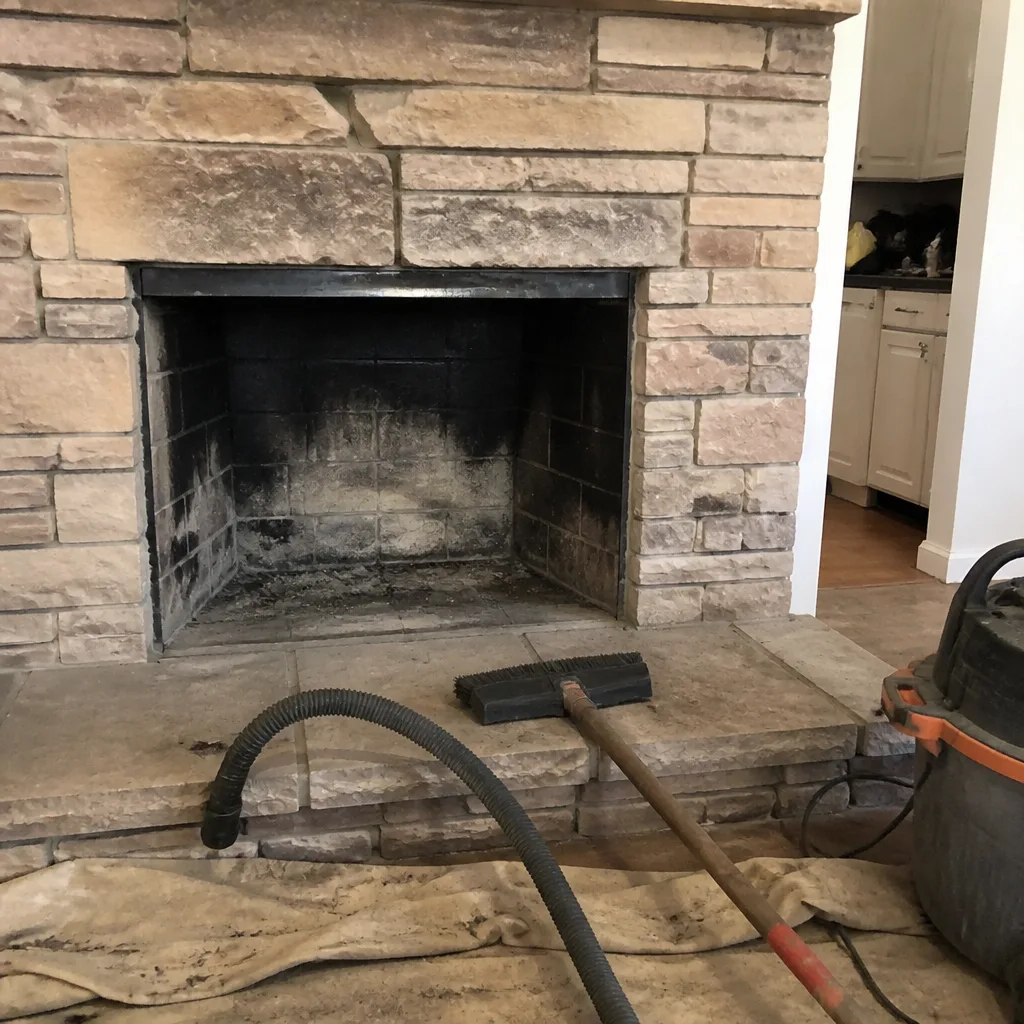 Before
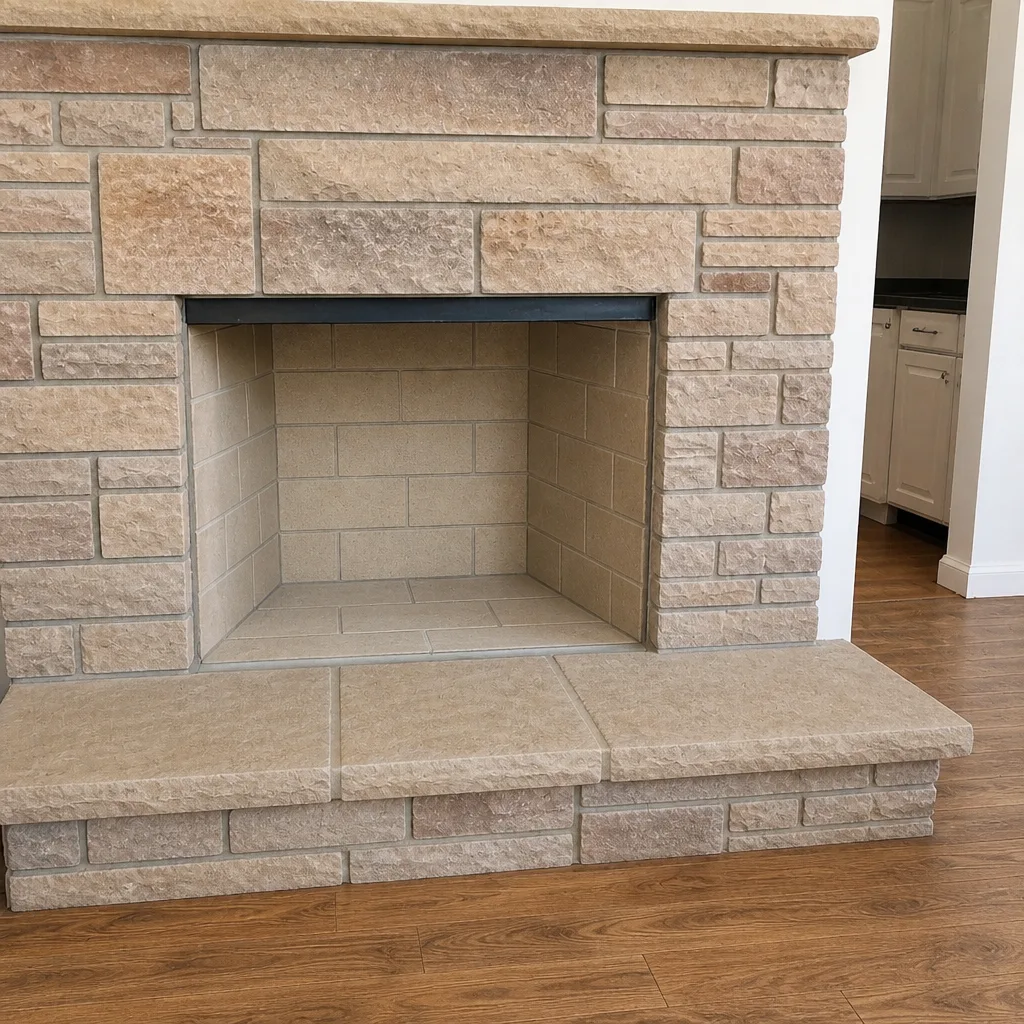 After
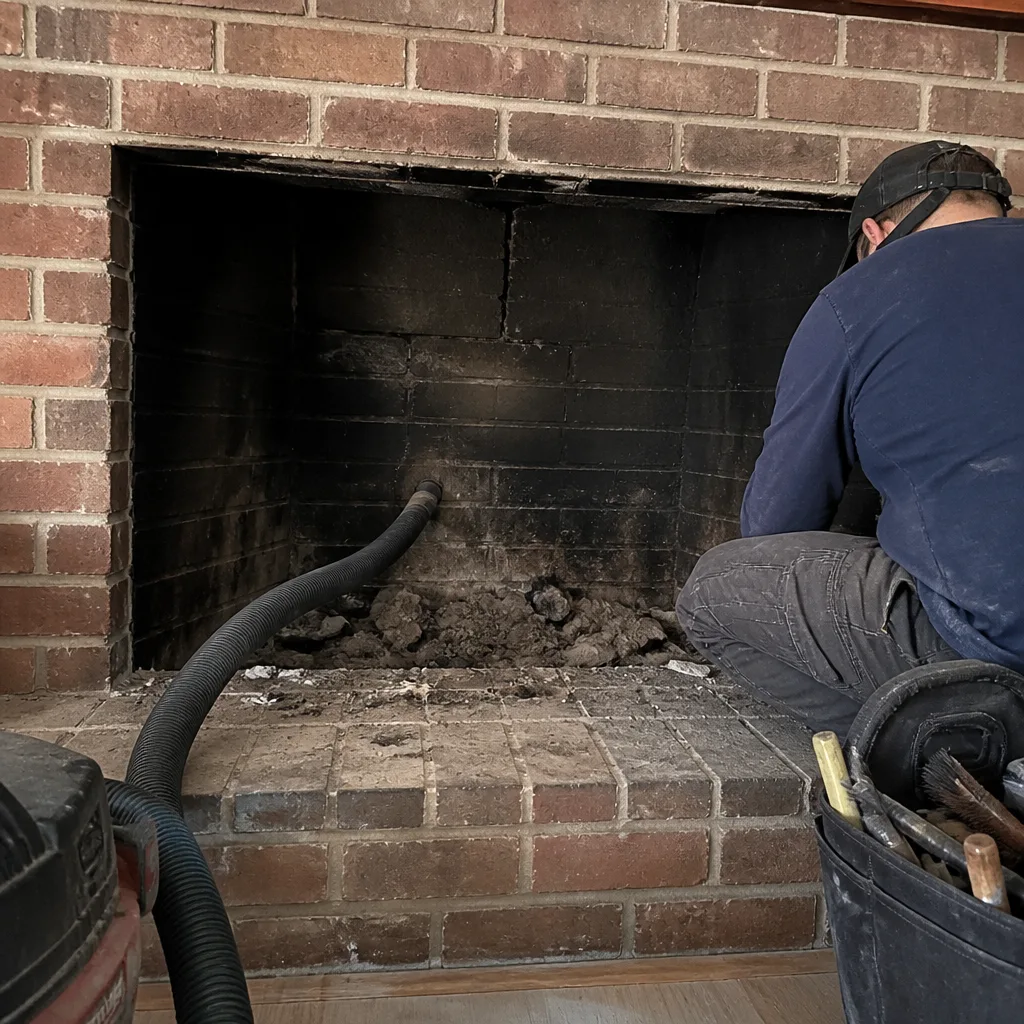 Before
 After
 Before
 After