
Last updated November 15, 2026
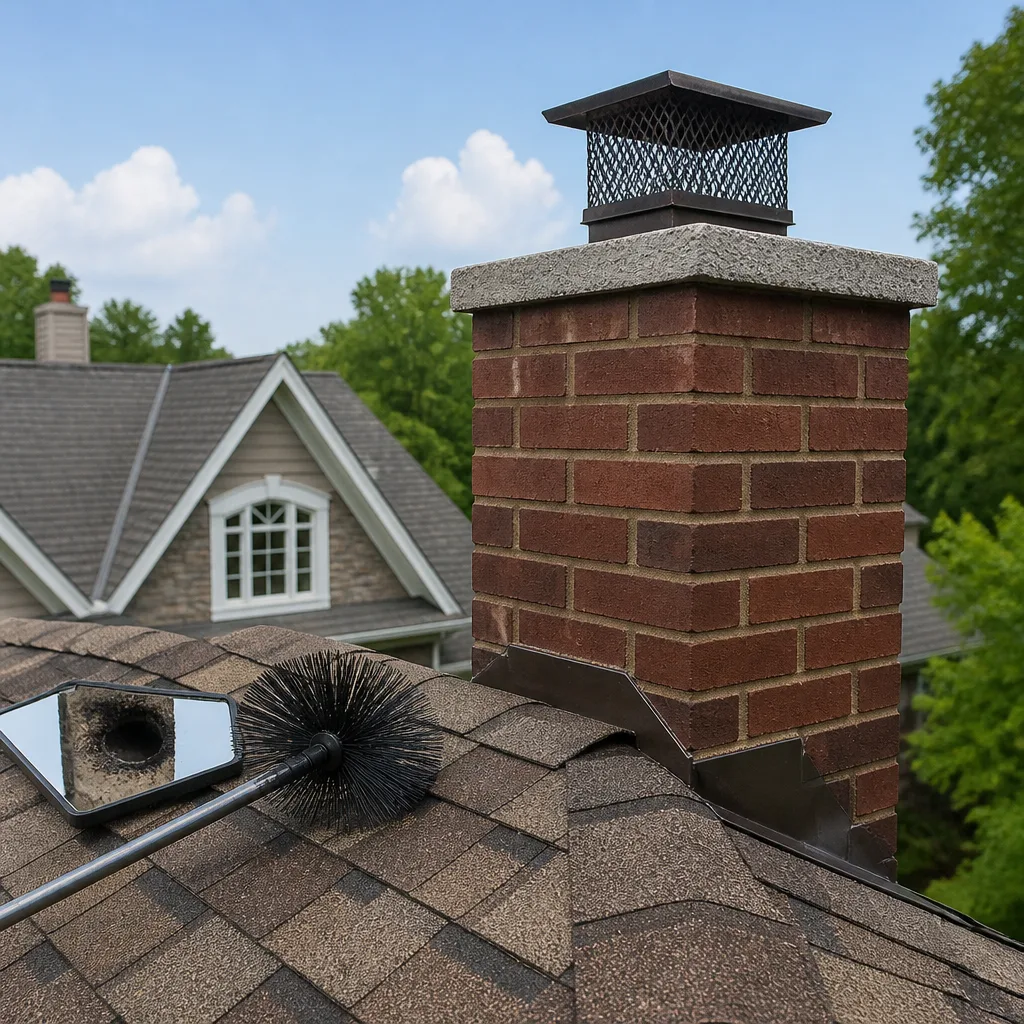 Sweep & inspection
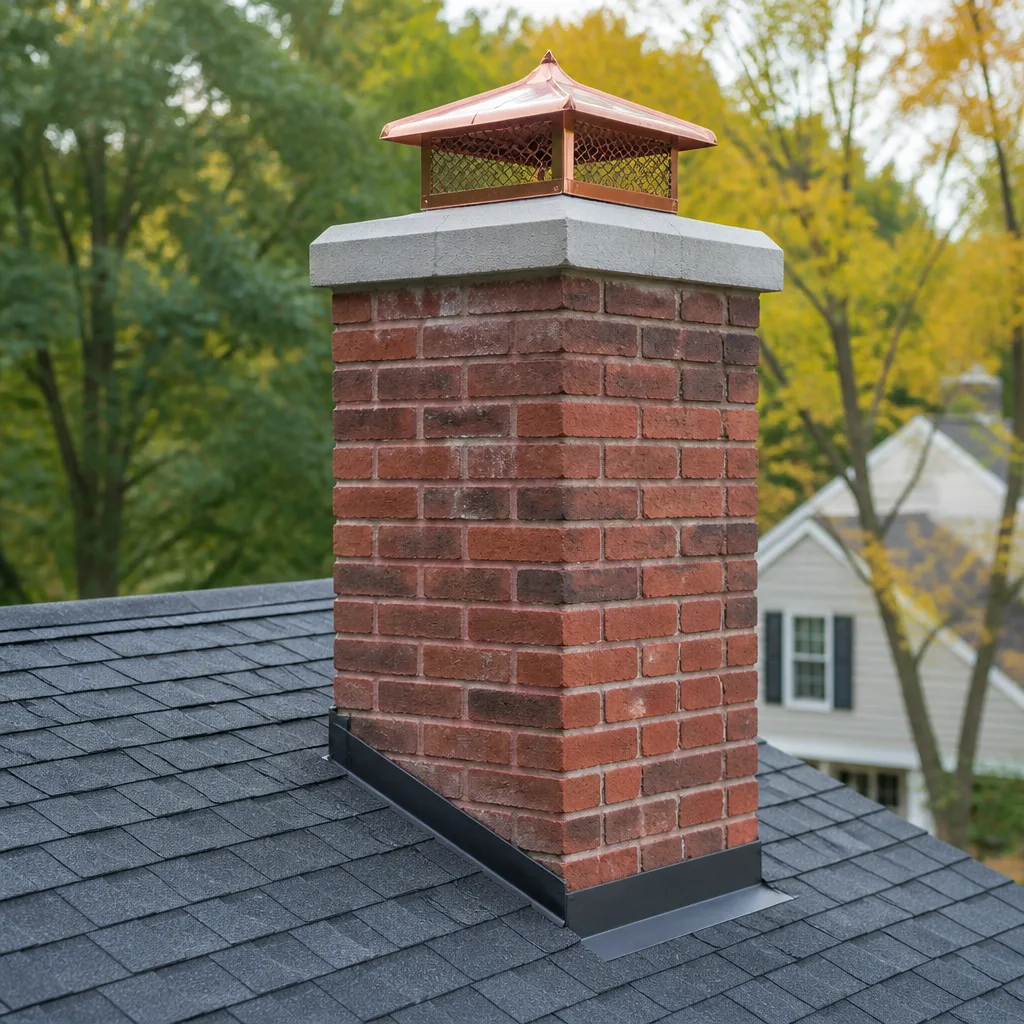 Caps & crowns
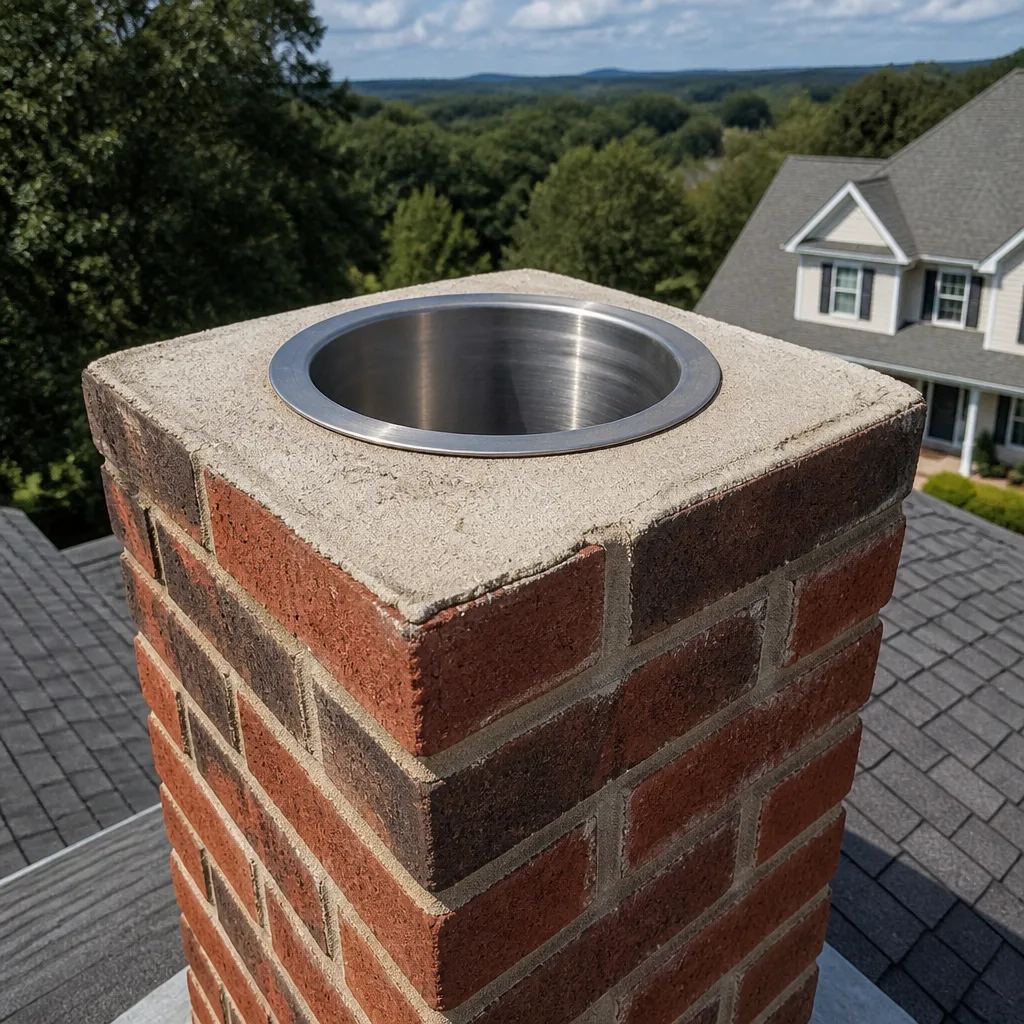 Flue relining
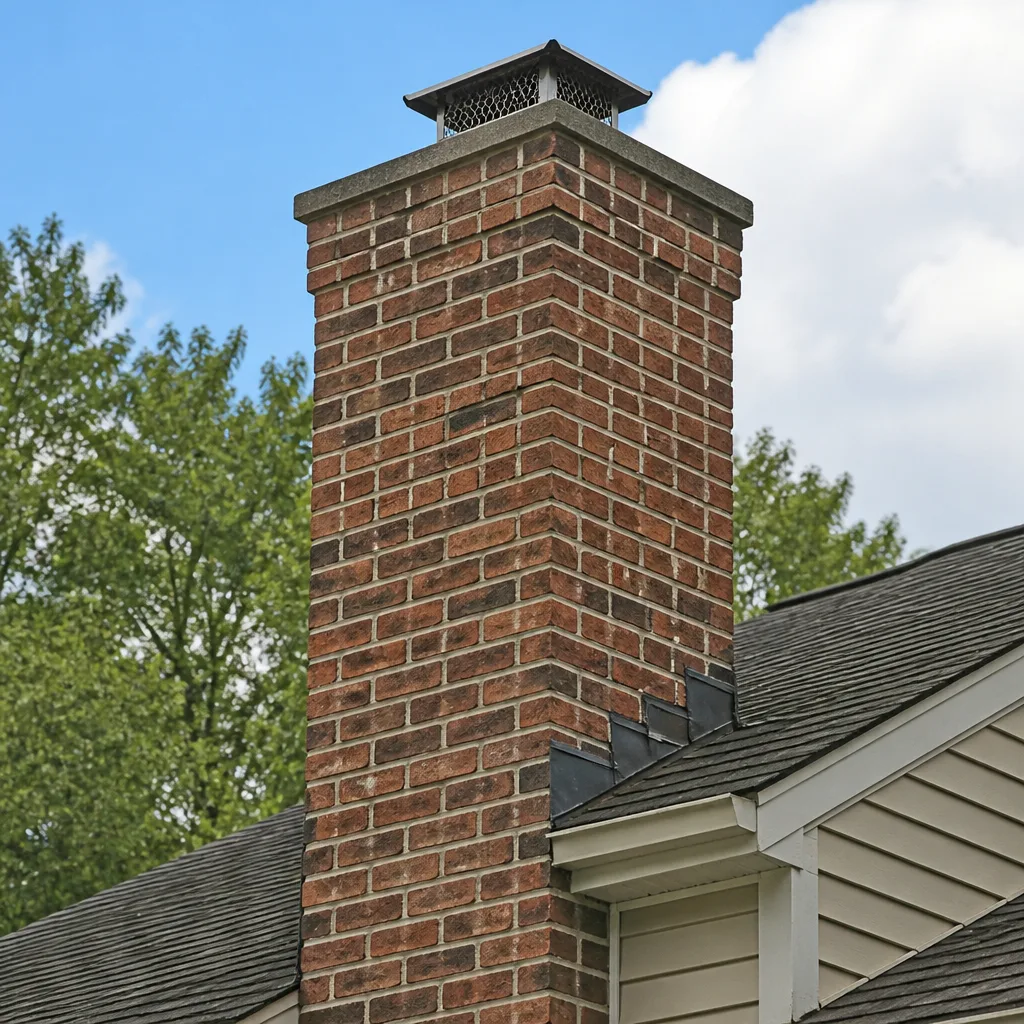 Masonry repair
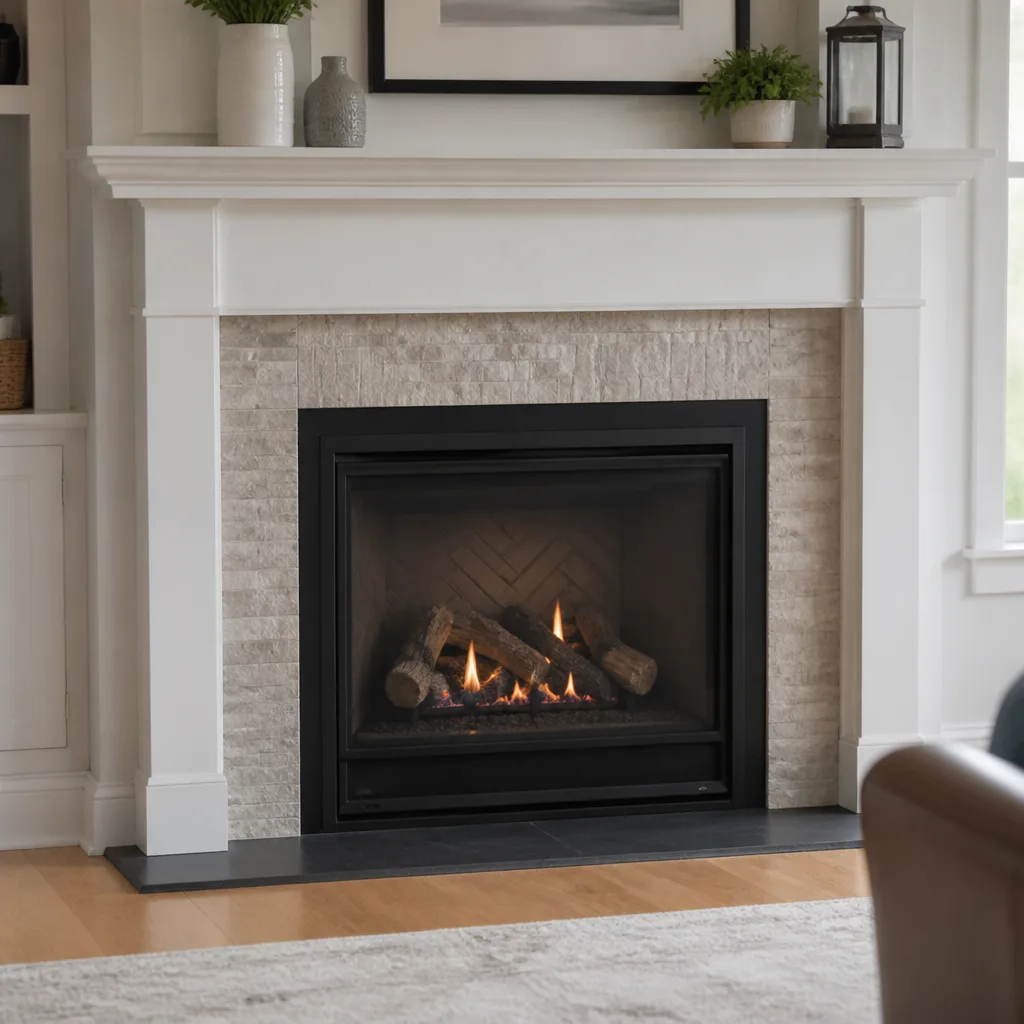 Gas fireplace service
Level 1 sweep and inspection to the NFPA 211 annual standard - flue, crown, cap, and flashing checked and photographed
Chimney sweep logs do not sweep chimneys. They loosen some creosote - which then falls where a brush and vacuum still have to collect it.
Seasonal Chimney Cleaning Care for Peoria: Year-Round Homeowner’s Guide
Most chimney care advice you’ll find online was written for a place with four distinct seasons. Peoria doesn’t work that way. Your chimney sits dormant for roughly seven months a year, and that long idle stretch, not the burn season, is when the most damaging moisture intrusion and nesting activity happens. Water gets in through a cracked crown during monsoon storms. Birds and rodents move into an open flue while the house is quiet. Creosote hardens into a glaze that gets tougher to remove with every passing month. This guide walks through a Peoria calendar that actually matches how people here use their fireplaces, season by season, so you know what to check and when to call.
Quick Answer
In Peoria, chimney care follows three real timing anchors: pre-monsoon prep in May and June, a post-monsoon inspection in September and October, and the annual sweep scheduled in October right before the burn season, not in spring. Because the chimney stays unused for about seven months, you’ll typically want two service touches a year instead of the national one-per-year default: one pre-storm check before monsoon, and one sweep and inspection before the first fire.
Styles & brands we work with
- Sweep & inspection
- Caps & crowns
- Flue relining
- Masonry repair
- Gas fireplace service
Table of Contents
- Why Peoria’s Chimney Calendar Is Different
- Pre-Monsoon Care (May – June): Sealing Up Before the Storms
- Summer Dormancy (April – September): What an Open Chimney Invites
- Post-Monsoon Inspection (September – October): Clearing the Flue Before the First Fire
- Pre-Burn Sweep (October): Why Fall Beats Spring
- Building a Two-Service-a-Year Schedule That Fits Your Home
- What a Full Sweep, Inspection, and Repair Looks Like
- Common Mistakes to Avoid
- When to Call a Professional
- Frequently Asked Questions
Why Peoria’s Chimney Calendar Is Different
National chimney guides assume a long, cold winter and a short summer. The advice is built around that rhythm: sweep in late summer, burn through the cold months, then close the damper and forget it until next year. That model breaks down in Peoria, where the hot, dry stretch from April through September is longer than the entire heating season, and where the real weather event isn’t snow but the summer monsoon.
Two things follow from that. First, the chimney spends far more time idle than active, so the risks shift toward what happens to an unused flue: moisture, pests, dust, ultraviolet damage to any prefab parts exposed on the roof. Second, monsoon rain arrives fast and hard over a short window, and a chimney with a loose cap, a cracked crown, or a hairlined mortar joint takes on water during those storms in a way a Midwest chimney rarely does.
What this means for your schedule
Instead of one annual sweep, most Peoria homes are better served by two touches a year, each timed to a real local event:
- May – June (pre-monsoon): close and check the damper, verify the cap and spark screen, look at the crown and exterior joints before the rain arrives.
- September – October (post-monsoon, pre-burn): clear storm debris from the flue, inspect for water damage and efflorescence, then sweep and inspect before the first fire.
The point isn’t to sell you more service. It’s that a chimney in this climate genuinely has two distinct risk windows a year, and each one calls for a different kind of attention. The following sections break down what each season actually asks of you.
Pre-Monsoon Care (May – June): Sealing Up Before the Storms
The single most valuable thing you can do before monsoon season is to close the damper tightly and confirm the cap screen is intact. An open damper lets humid air, wind-driven rain, and dust straight into the flue and down toward the firebox. A cap with a torn or missing screen turns your chimney into an open pipe that anything can enter.
Monsoon rain doesn’t just get things damp. Water entering the top of the chimney soaks into the masonry at the crown and the mortar joints between flue tiles. As that water sits and later evaporates, it leaves behind mineral salts, and the recurring wet-dry cycle slowly weakens the mortar. Over a few seasons, joints that were tight can loosen, and that’s where a real repair need begins.
Your pre-monsoon checklist
- Close the damper completely once the burn season ends, and check that it seals flush with no visible gap.
- Inspect the cap and spark screen from below or with binoculars from the ground. Any rusted-through or torn screen should be replaced before storms, not after.
- Look at the crown from the ground for visible cracks or a surface that’s crumbling at the edge.
- Check exterior mortar joints for gaps, and watch for white efflorescence streaks, which signal moisture moving through the masonry.
- Note any staining on the ceiling or chimney breast indoors – a sign of an active leak that monsoon rain will make worse.
If you spot a loose cap or a cracked crown, getting a Gelco cap and a resurfaced crown in place before the storms is the difference between cosmetic wear and structural repair later. In our experience in Peoria, the homes that develop serious masonry problems are almost always the ones where water got in quietly for several seasons before anyone noticed.
Summer Dormancy (April – September): What an Open Chimney Invites
An uncapped or screen-damaged chimney in a desert environment becomes an attractive, sheltered space for things you’d rather not have in your home. Birds build nests on the smoke shelf. Bees and wasps find a protected cavity. Rodents climb in looking for shade. And because the fireplace isn’t burning, none of it gets smoked out or noticed until you try to light the first fire of the season, only to have smoke back up into the room.
The other summer risk is quieter. Dust and grit blow into the flue and accumulate, and any prefab chimney components or seals exposed on the roof take sustained ultraviolet damage through the long, bright summer. UV degrades rubber seals, plastic components, and painted surfaces over time, and that’s a slow process you won’t see until a joint starts leaking.
Summer dormancy risks at a glance
- Nesting and pests: birds, rodents, and insects move in through an open or unscreened flue and block the passage.
- Dust and debris: wind-borne grit settles in the flue and on the smoke shelf, restricting draft.
- UV degradation: sun exposure ages seals, gaskets, and prefab components on the roof.
- Dormant leaks: a small cap or crown defect that stays unnoticed through a storm season.
Keeping the damper shut and the cap intact through summer handles most of this. For a prefab chimney or a gas insert, it’s worth having the roof-side components checked once a year to catch UV aging before it turns into a leak. A well-fitted cap from Olympia Chimney or Gelco, sized correctly for your flue, does most of the protective work here, and it’s a small job that prevents a much larger one. A chimney sweep visit in early summer is a good moment to clear anything that already settled in.
Post-Monsoon Inspection (September – October): Clearing the Flue Before the First Fire
Once the monsoon season ends and the evenings start to cool, the priority shifts to clearing out whatever the storms left behind and confirming the chimney is ready for fire. The first thing to check is debris in the flue: leaves, twigs, dust, and anything that blew against the cap and worked its way down. A partially blocked flue smokes back into the room and, worse, can push carbon monoxide indoors instead of up and out.
Next, look for storm-related exterior damage. Monsoon winds can crack a crown, loosen a cap, or dislodge a cap screen. Heavy rain can drive water into any open joint. Efflorescence, the white powdery staining on masonry, is a clear sign moisture has been moving through the wall, and it’s most visible after a wet season.
Post-monsoon inspection steps
- Clear the flue and smoke shelf of any debris that blew in or fell down.
- Check the cap and screen for wind damage, loose fasteners, or a bent or missing screen.
- Inspect the crown for new cracks after the storm season.
- Look for efflorescence and damp staining on the exterior masonry.
- Confirm the damper opens and closes freely and isn’t seized after months closed.
- Check for nesting material inside the flue before the first burn.
Not every flaw needs immediate repair. A minor crown crack can sometimes be monitored and sealed, while a damaged cap screen should be replaced before the season. A trained technician working with HeatShield resurfacing or a replacement Gelco cap can tell you which is which, and that call matters. Nothing should be sold to you as urgent unless a camera inspection shows a problem you can see for yourself.
Pre-Burn Sweep (October): Why Fall Beats Spring
The national advice to sweep in spring makes sense where the burn season is long and the summer is short. In Peoria, the logic points to October. The chimney has sat unused through the worst of the heat and any nesting activity, and a fall sweep clears out the season’s accumulation right before you actually need the flue. Scheduling in October also means anything found during the sweep can be repaired before the first fire, not after.
There’s a mechanical reason too. Creosote deposited during the previous season sits in the flue for months before it’s removed. As it ages, especially with moisture present, it can harden and glaze onto the flue walls. Glazed creosote is significantly harder to remove than fresh, and it’s also the most flammable. A sweep in October, timed before the deposits have the whole hot, dry summer to bake on, is a simpler and more complete job than the same sweep done the following April.
October sweep versus spring sweep
- October: fresh deposits removed before they harden, flue cleared of nesting debris, repairs scheduled ahead of the first fire.
- Spring: deposits have had a full dry summer to set, nesting may have moved in after the sweep, and any repair found sits until fall.
Creosote is the reason chimney cleaning exists, and it accumulates whether or not you burn, because a single season’s worth of buildup lingers. An annual sweep removes it, and the inspection that comes with it confirms the flue, liner, and cap are all in working order. If it’s been more than a year since your last sweep, or you’re not sure it was ever done, this is the time to book it. Our technicians have up to 10 years of experience and sweep, inspect, and repair as one integrated service.
Building a Two-Service-a-Year Schedule That Fits Your Home
The national one-sweep-a-year rule is built on the idea that most homes burn through a long winter. In Peoria, usage varies widely, and a schedule should match how you actually use the fireplace, not a generic calendar. A home that lights a fire most evenings in December and January has different needs than a house that burns a handful of times a year or runs a gas insert.
Here’s a simple framework for structuring the year. Adjust by how much you burn and whether your chimney is masonry or prefab.
A year-round service schedule, step by step
- End of burn season (roughly March – April): close the damper, confirm it seals, and note the condition of the cap and screen.
- Pre-monsoon (May – June): schedule a check and any protective work – cap, screen, crown – before storm season. This is your first service touch.
- Mid-summer (July – August): keep the damper closed, watch for any indoor staining, and note any roof-side prefab wear.
- Post-monsoon (September): clear debris, inspect for storm damage, and confirm the flue is open and unobstructed.
- Pre-burn (October): the full annual sweep and inspection, with any repairs scheduled before the first fire. This is your second service touch.
Two touches a year suit most occupied homes with regular burning. If you rarely burn, you can shift to one sweep a year and still do a quick pre-monsoon visual check yourself. The key is not to let a full year pass with the cap untested and the flue unchecked. Chimney inspection and repair belong in the same annual rhythm as the sweep, because a problem caught in October is far cheaper than the same problem caught in a February backdraft. If you’re not sure where your chimney stands, a professional chimney repair assessment alongside the sweep will tell you what, if anything, needs attention.
What a Full Sweep, Inspection, and Repair Looks Like
A proper chimney visit treats the chimney as a single system rather than a cleaning task. That means the sweep, the inspection, and any repair are done by the same people, in one sequence, so nothing gets lost in a handoff between vendors. In Peoria, that integrated approach matters most right around the October pre-burn window, when a problem found during a sweep needs to be fixed before you light up.
What happens during a visit
- Sweep: the flue, firebox, and smoke shelf are cleaned of creosote, soot, and debris, including any nesting material left from summer.
- Inspection: the flue, liner, crown, cap, damper, and any prefab components are checked, with a camera where the flue can’t be seen directly, so problems are documented rather than guessed at.
- Repair: cracked crown, damaged cap, or a deteriorating liner gets addressed by the same company that found it, using named materials – DuraFlex liner systems, HeatShield resurfacing, Gelco caps, Olympia Chimney and Famco venting components, and Copperfield specialty parts.
We work with these named, spec-documented brands for a reason. You can look up each product by name and see what it’s made of and how it’s rated. That’s not something you can do with anonymous bulk supplies, and it gives you a way to check the work against published specifications.
Because we focus only on chimneys, our technicians aren’t splitting attention across unrelated trades. Every visit stays inside this one system. And because a structural or liner issue found during a sweep can be repaired on the same visit rather than deferred to another appointment with a different company, there’s no gap between finding a problem and fixing it.
Common Mistakes to Avoid
- Waiting for spring to sweep. Following the national one-a-year spring schedule lets creosote harden through the Peoria summer. Sweep in October instead, right before the burn season.
- Leaving the damper open through the dry months. An open damper invites driven rain, dust, and pests into the flue all summer. Close it completely once the burn season ends.
- Ignoring a torn cap screen. A damaged screen is an open door for birds and rodents and a broken guard against wind-blown storm debris. Replace it before monsoon, not after.
- Treating efflorescence as cosmetic. That white staining on the exterior is moisture moving through masonry, and it won’t fix itself. Have it checked during the post-monsoon inspection.
- Running a chimney that puffs smoke on the first fire. Backdraft on the first cold-season burn often means a blocked or partially obstructed flue, often from summer nesting. Stop and have it checked rather than burning through it.
- Hiring a generalist for a specialist job. A handyman who also sweeps chimneys may not be equipped to assess a liner or resurface a crown. Use a chimney-focused contractor who can sweep, inspect, and repair as one job.
- Skipping the roof-side check on a prefab or gas chimney. UV aging on prefab components and seals is a summer problem in Peoria, and it’s easy to overlook from inside the house.
When to Call a Professional
Some tasks you can handle yourself: closing the damper, checking the cap screen from the ground, watching for indoor staining. Others need a trained eye. Call a professional if you see cracked or crumbling masonry at the crown, white efflorescence or damp staining on the exterior, a loose or damaged cap, smoke backing into the room when you burn, or any sign of nesting inside the flue. Also call if it’s been more than a year since the last sweep, if you’ve never had the chimney inspected, or if you’ve just moved into a Peoria home and don’t know its service history.
Use a contractor who can sweep, inspect, and repair as one integrated service, so a problem found in the sweep gets fixed rather than deferred to a second company. Chimney Sweep Peoria offers free estimates in Peoria – call (866) 618-5984. We answer 24/7. Fast dispatch from 7am to 7pm, Sunday through Friday. Your estimate is set per job by a written estimate, and the price you’re quoted is the price you pay.
Frequently Asked Questions
Most occupied Peoria homes with a wood-burning fireplace do best with an annual sweep scheduled in October, plus a pre-monsoon check in May or June. If the chimney goes unused for long stretches or the home burns rarely, one sweep a year is usually enough, but the cap and damper should still be checked before every monsoon season. Call (866) 618-5984 for an exact quote – estimates are free.
October is better because it removes creosote and summer nesting debris right before the burn season, and before deposits have the dry summer to harden and glaze. A spring sweep leaves the flue sitting through the hottest months, when creosote sets and pests can move back in. Call (866) 618-5984 to schedule a pre-burn sweep – estimates are free.
Monsoon rain gets into any weak point at the top: a cracked crown, a loose cap, or a hairlined mortar joint. Repeated wetting and drying weakens the mortar and shows up as white efflorescence on the masonry. The fix is to have the cap, crown, and joints checked before the storms in May and June, so water never gets a chance to work its way in. Call (866) 618-5984 – estimates are free.
Not necessarily. A liner needs replacing only when the inspection shows it’s cracked, deteriorated, or unsafe for your appliance, and you shouldn’t be told otherwise without camera evidence you can see for yourself. When a replacement is needed, a DuraFlex liner system is one of the professional-grade options we work with. Call (866) 618-5984 for an assessment – estimates are free.
Skipping a year lets creosote build up and harden, allows summer nesting and dust to block the flue, and gives any water intrusion from the monsoon time to weaken the masonry further. None of this is visible from the living room, which is why the annual sweep and inspection matter. Call (866) 618-5984 – estimates are free.
Yes. A gas insert chimney doesn’t build the same creosote, but it still needs inspection for vent condition, seal wear, and any obstruction, and in Peoria the roof-side prefab components take UV aging through the summer. An annual check matters here just as it does for a wood-burning flue. Call (866) 618-5984 – estimates are free.
The Bottom Line
Peoria’s chimney calendar runs on three anchors: pre-monsoon protection in May and June, a post-monsoon inspection in September, and the annual sweep in October before the first fire. Two service touches a year suit most homes here, because the chimney sits dormant for roughly seven months and the summer heat and storms create risks a national four-season guide never mentions. Keep the damper closed, keep the cap and screen intact, watch for efflorescence, and schedule the sweep in fall rather than spring. A chimney is a system, and treating it like one, sweep, inspect, and repair from a single chimney-focused contractor, is what keeps it safe and sound all year.
Ready to build your Peoria chimney schedule? Call Chimney Sweep Peoria at (866) 618-5984 for a free estimate. We answer 24/7. Fast dispatch from 7am to 7pm, Sunday through Friday.
Written by the team at Chimney Sweep Peoria.
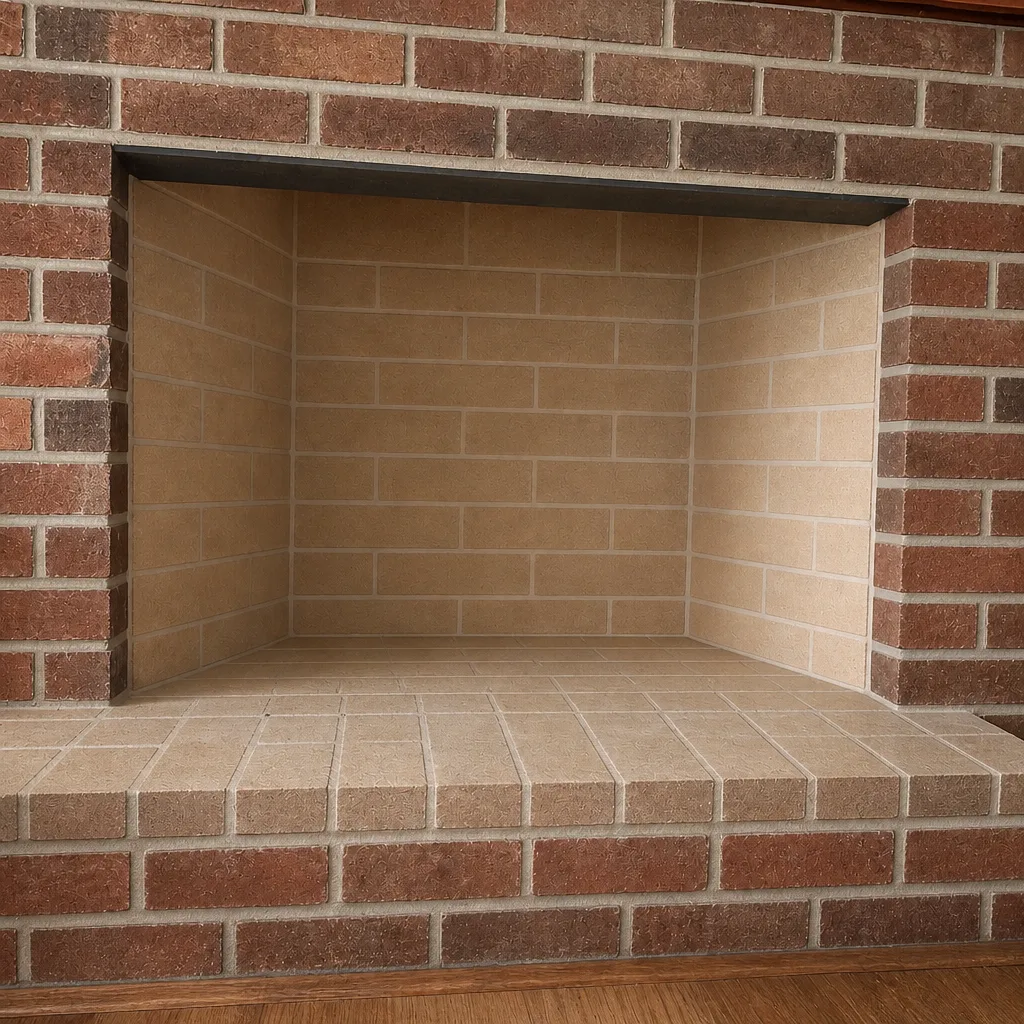
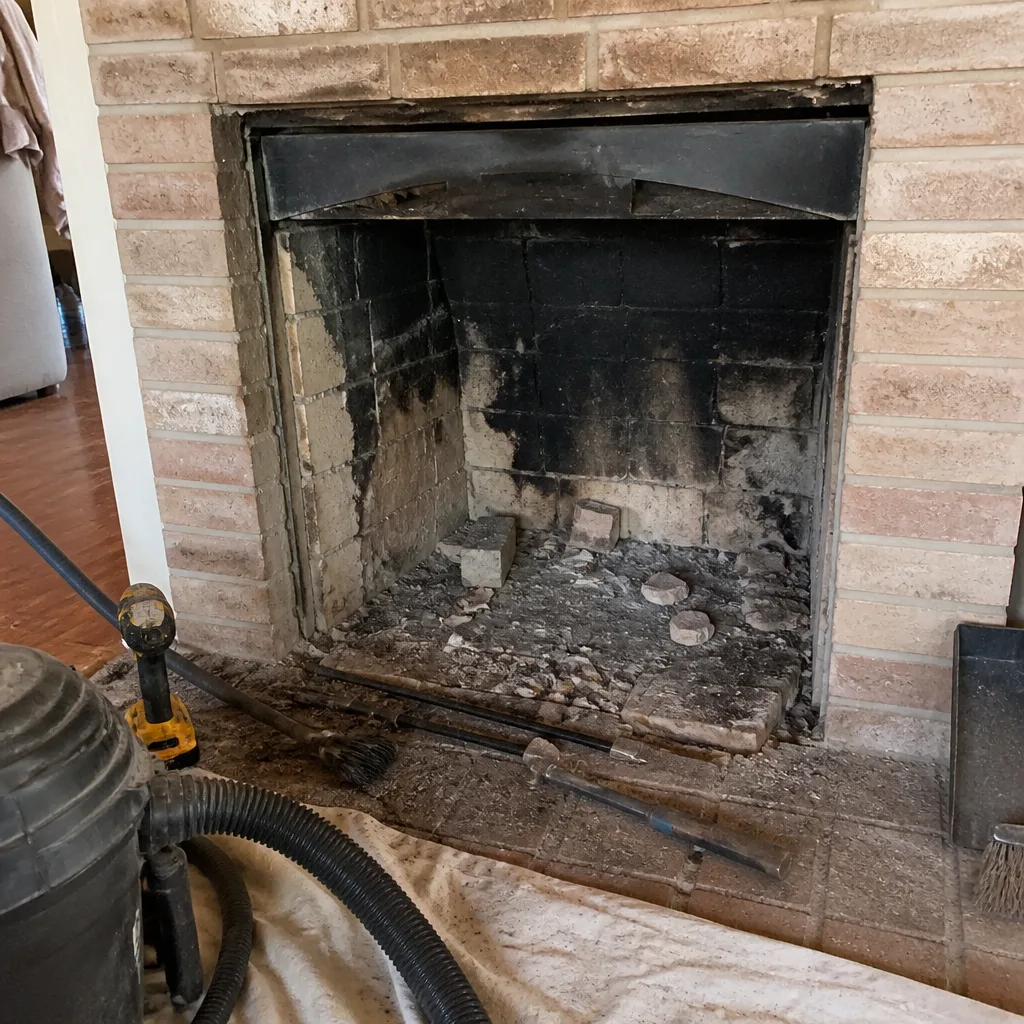
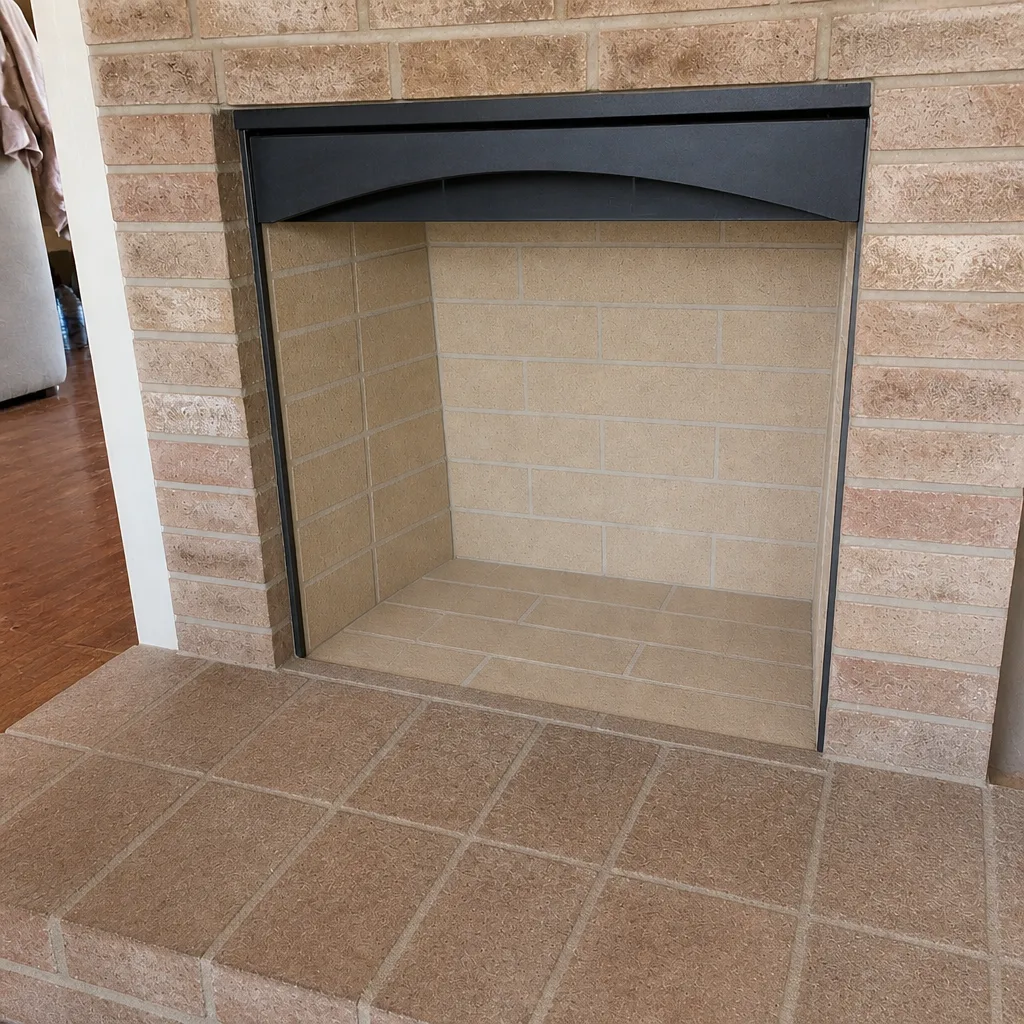
See the difference
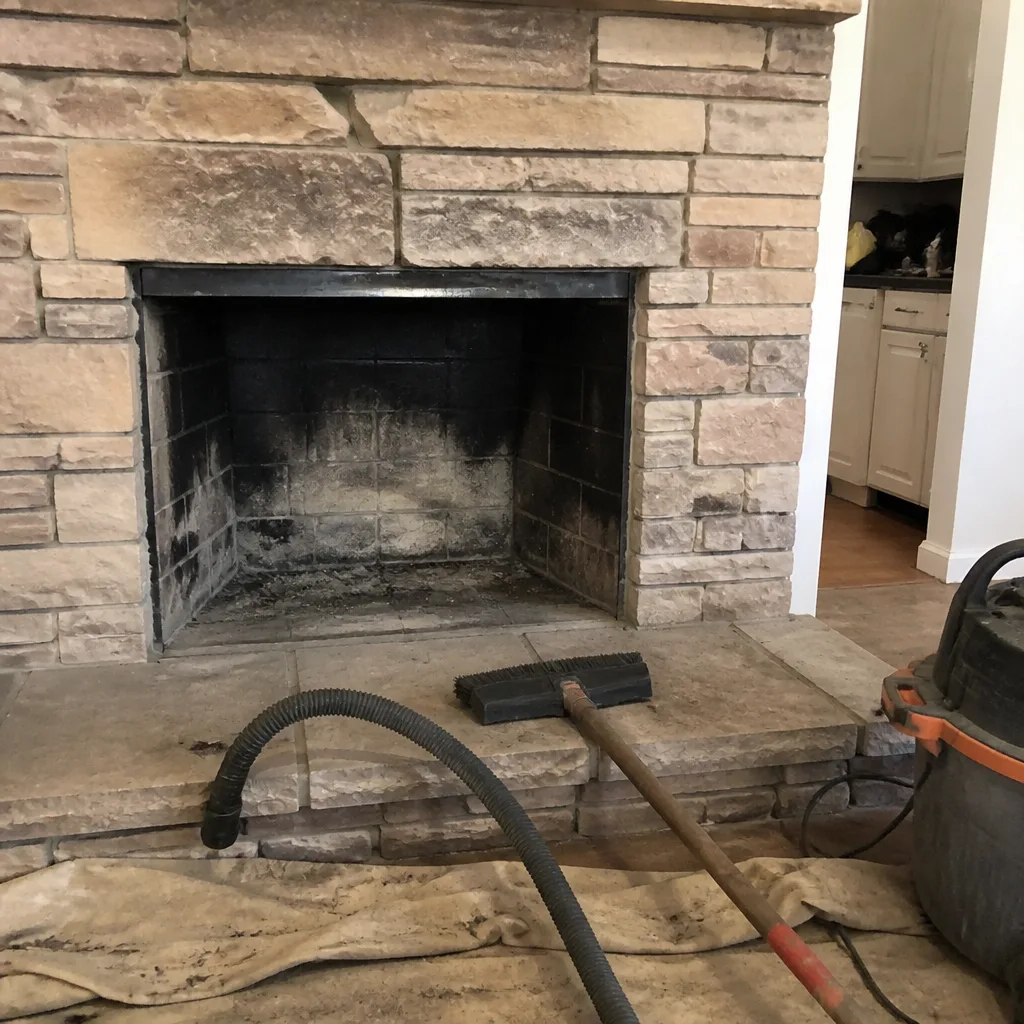 Before
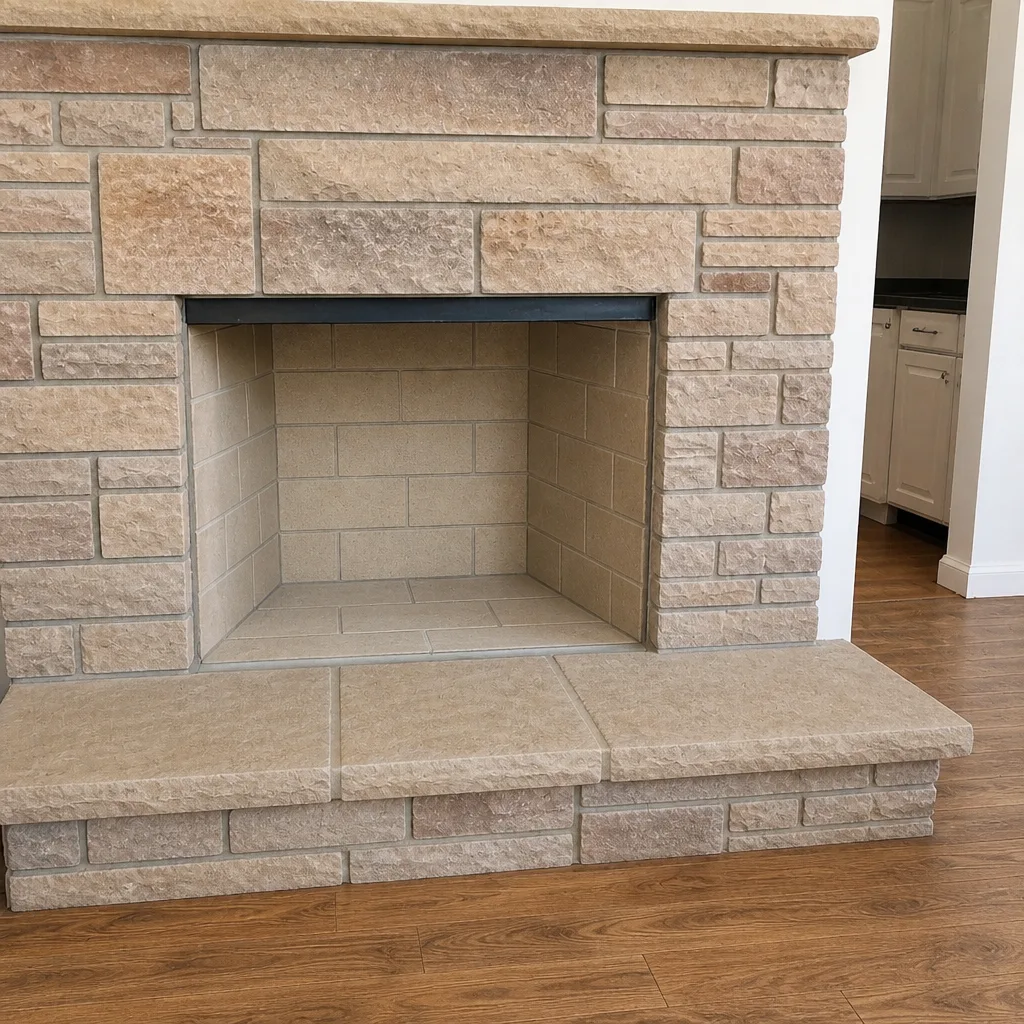 After
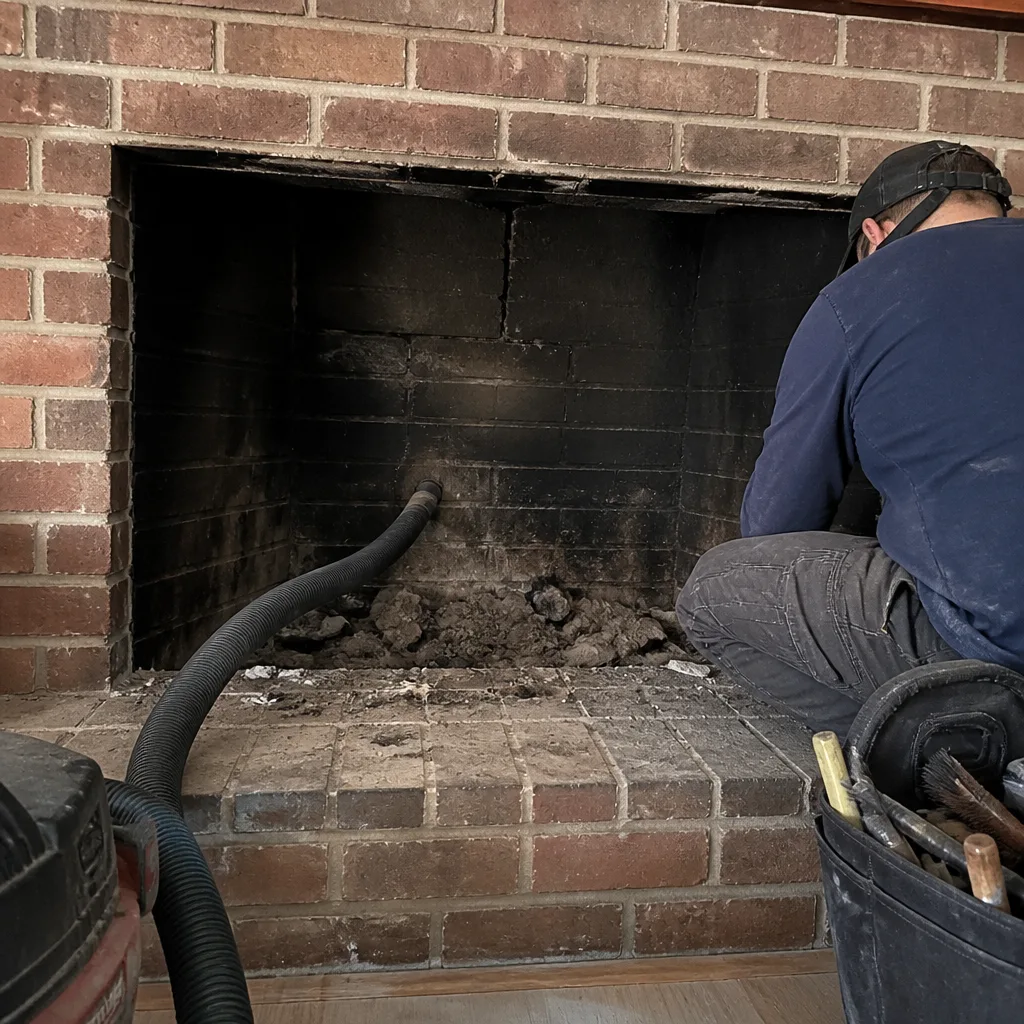 Before
 After
 Before
 After