
Last updated November 15, 2026
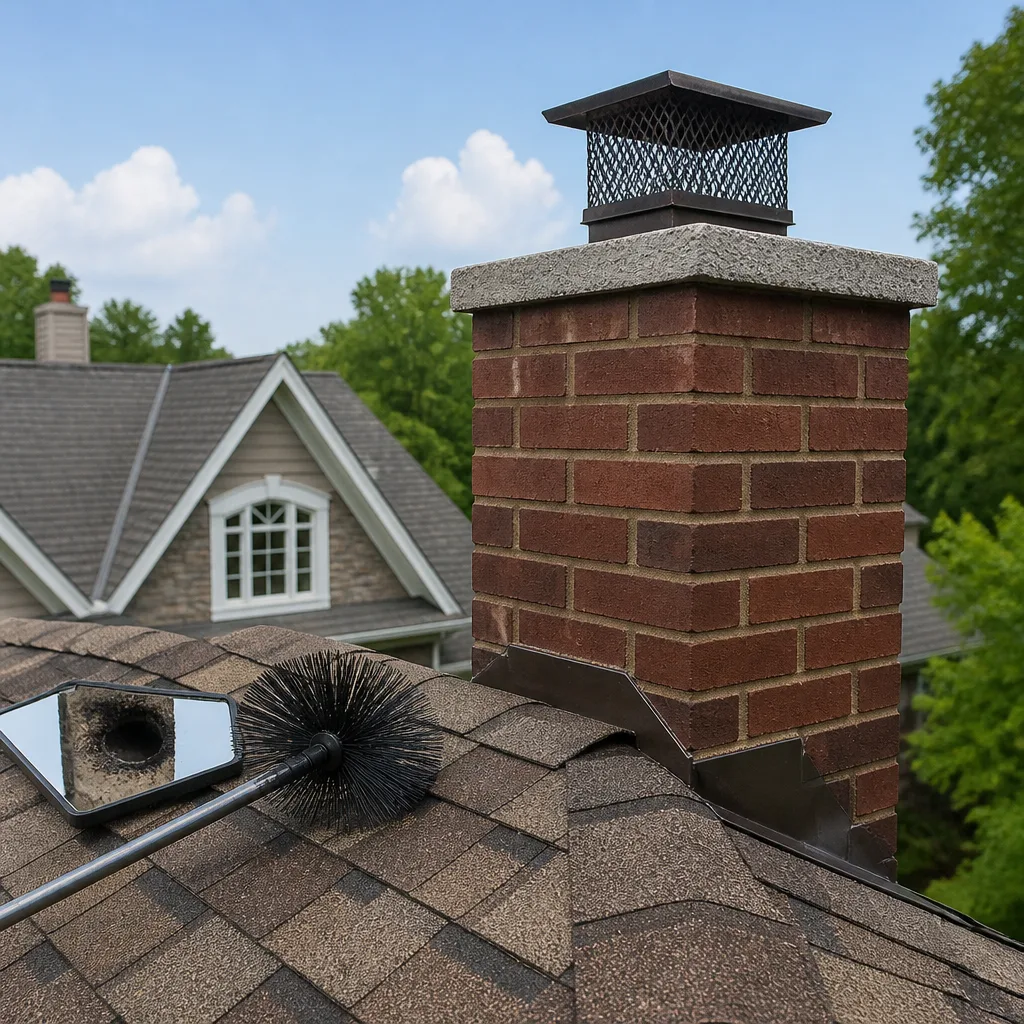 Sweep & inspection
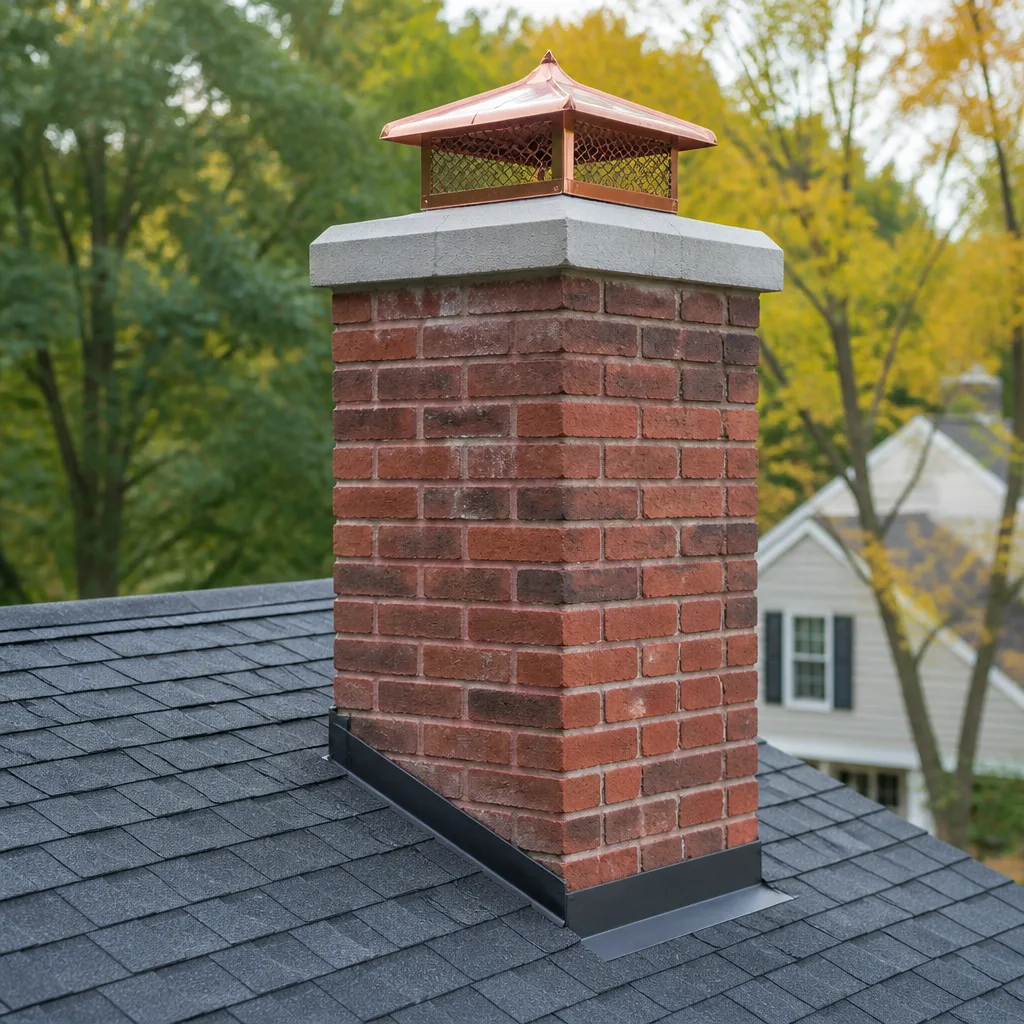 Caps & crowns
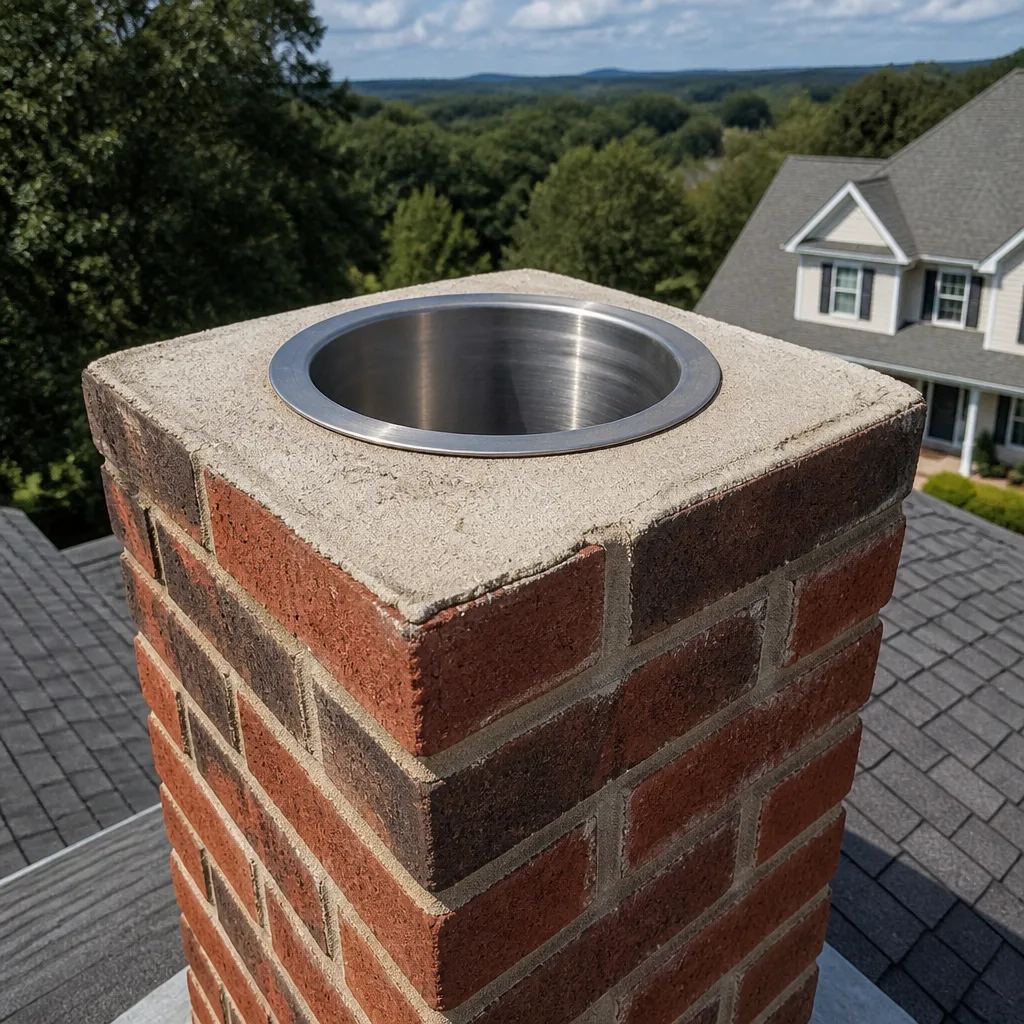 Flue relining
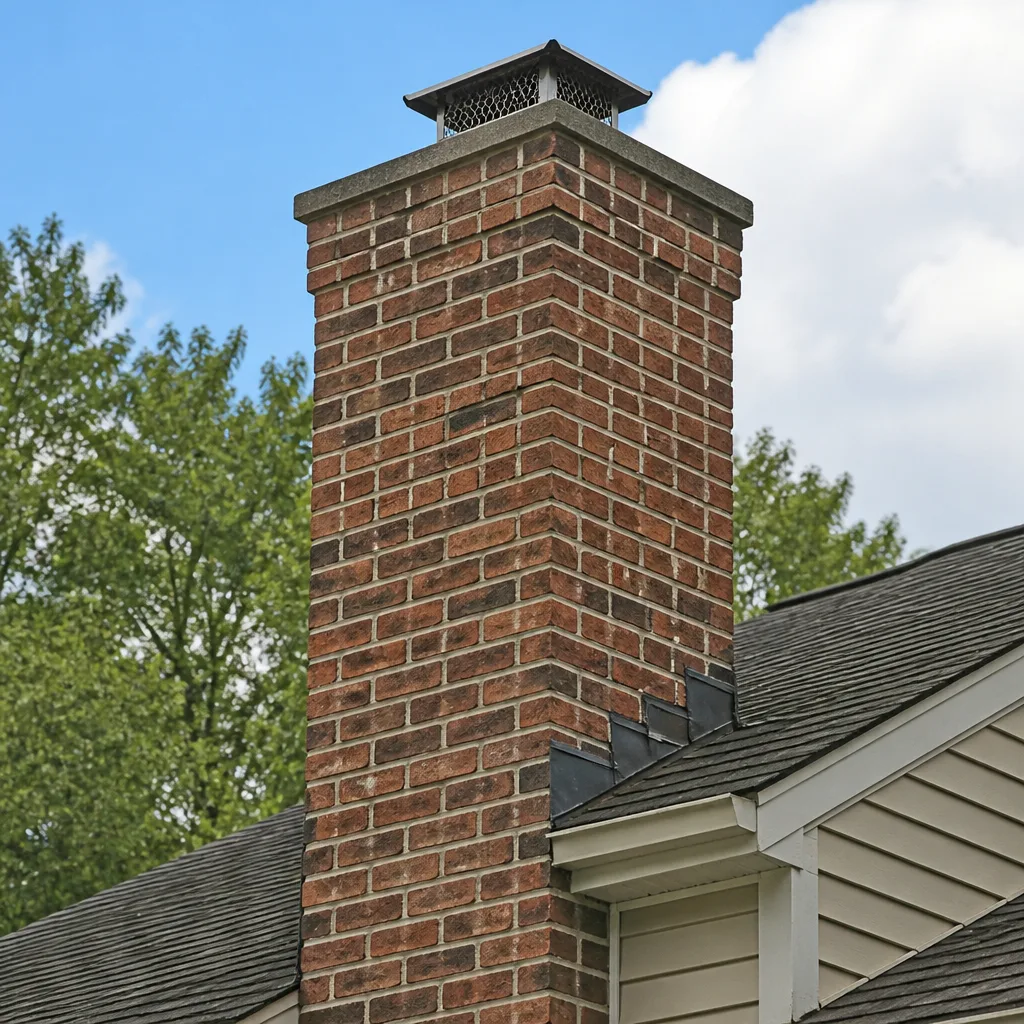 Masonry repair
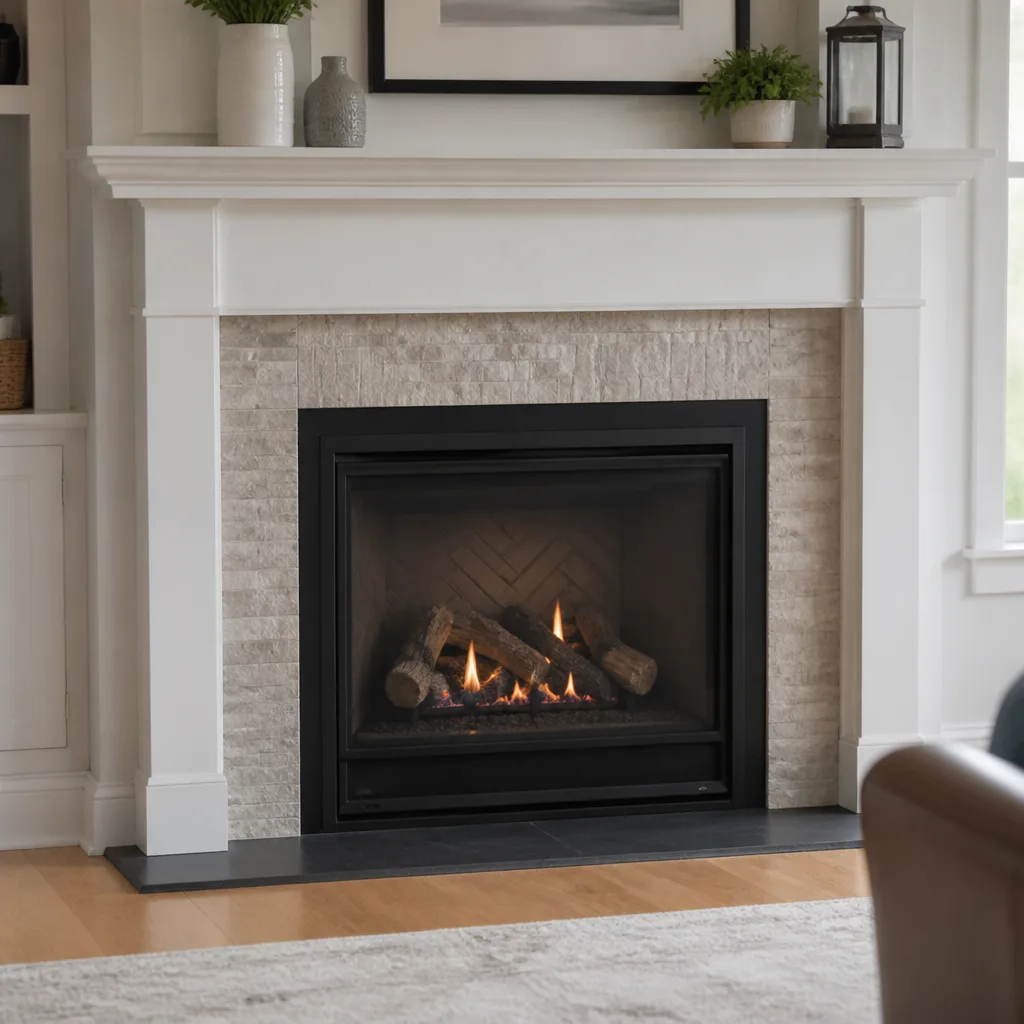 Gas fireplace service
Level 1 sweep and inspection to the NFPA 211 annual standard - flue, crown, cap, and flashing checked and photographed
Chimney sweep logs do not sweep chimneys. They loosen some creosote - which then falls where a brush and vacuum still have to collect it.
How to Hire a Chimney Cleaning Contractor in Peoria: A Step-by-Step Guide
Here’s the part most homeowners don’t hear until it’s too late: a cheap sweep can leave you less safe than you were before, because it cleans the flue and leaves structural defects undocumented. Arizona doesn’t license chimney sweeps at the state level, so anyone with a brush set can legally advertise chimney cleaning in Peoria. The credential gap between a qualified sweep and an unqualified one is invisible on most quote sheets, which is why price is the wrong thing to shop on. This guide walks you through asking the right questions, reading a real proposal, spotting the red flags in the Peoria market, and comparing bids on scope rather than sticker price.
Styles & brands we work with
- Sweep & inspection
- Caps & crowns
- Flue relining
- Masonry repair
- Gas fireplace service
Quick Answer
To hire a chimney cleaning contractor in Peoria, verify credentials first (CSIA Certified Chimney Sweep or NFI certification), confirm the quote includes both a sweep and a written inspection with a camera scan, and check that the company carries general liability and workers’ comp. Ask for a written report, local references, and a clear repair process before anyone books the job. The lowest bid that excludes inspection is not a bargain; it’s a gap in scope that leaves you holding the risk.
Table of Contents
- Why Hiring in Peoria Is Different From Hiring Elsewhere
- What CSIA and NFI Credentials Actually Certify
- The Five Questions to Ask Before Booking
- Red Flags Specific to the Peoria Market
- How to Compare Chimney Quotes Accurately
- Specialist vs. Generalist: Why It Matters
- What Actually Happens During a Sweep and Inspection
- Common Mistakes to Avoid
- When to Call a Professional
- Frequently Asked Questions
Why Hiring a Chimney Cleaning Contractor in Peoria Is Different From Hiring Elsewhere
Arizona is one of the states that doesn’t issue a chimney sweep license, and that single fact changes the entire hiring conversation in Peoria. In places with mandatory licensing, the state has already vetted insurance, training, and code familiarity. Here, nobody has. It’s on the homeowner to verify.
What makes the Peoria market especially tricky is how chimney use actually looks here. Our winters are mild, which means many homeowners only light the fireplace a handful of times a season. That light use creates a false sense of security. Creosote still accumulates. Membranes still crack. Water intrusion from a rare desert rainstorm still finds its way into a flue cap that was never properly installed. And because the fireplace isn’t used constantly, problems can hide for years before someone notices a draft or a smell.
Peoria also has a lot of newer construction, and the chimneys in those homes vary wildly. Some are factory-built with metal flues that just need servicing. Some have tiled masonry that needs visual verification after the first few years. Some have gas inserts in fireplaces where wood was originally burned, which changes the inspection focus entirely. A contractor who knows how to evaluate a metal prefab line but has never inspected tile or a HeatShield-resurfaced flue is going to miss things.
The takeaway is simple: in Peoria, a chimney company’s credibility has to come from credentials and process, not from a license number on a truck. If you’re already looking for a Chimney Sweep Peoria provider, ask about certification before you ask about price.
What CSIA and NFI Credentials Actually Certify
Chimney sweeping is one trade where the certification landscape is genuinely useful for homeowners, if you know what each credential means. Two matter most.
CSIA Certified Chimney Sweep
The Chimney Safety Institute of America (CSIA) is the recognized credentialing body for the trade. To earn the designation, a technician passes a formal exam covering NFPA 211 (the national chimney standard), combustion science, inspection procedures, and safety. Certification is not permanent; it requires renewal on a multi-year cycle with continuing education and a code of ethics commitment. The CSIA maintains a public directory, which means you can look up any claimed certification yourself.
NFI Certification
The National Fireplace Institute (NFI) certifies technicians in specific gas, wood, and pellet appliance categories. This matters more than it sounds. A CSIA sweep is trained to clean and inspect a flue. An NFI-certified specialist is trained on the appliance itself, including gas insert venting and wood stove clearance concerns. When your home has a gas insert or a solid-fuel stove, NFI coverage is worth asking about directly.
Neither certification is legally required in Peoria. That’s exactly why they’re useful: they’re voluntary and independently verifiable. A contractor who lists either on an estimate without a directory check is telling you what they want you to hear. A contractor whose certification shows up in the CSIA registry is a different story.
The Five Questions to Ask Before Booking
Anyone can quote a sweep. Very few can answer these five questions clearly on the phone. Use them as a screening call before you book.
- Do you provide a written inspection report? A sweep without a report is a service with no record. You want a written document that lists what was observed, what was cleaned, what the camera found, and what (if anything) needs attention.
- Do you carry general liability and workers’ comp? Work on a roof, a flue, or a fireplace interior carries physical risk. Ask for confirmation in writing. A company that carries both is easier to work with if something goes wrong than one that carries neither.
- Will a camera scan be included? Video inspection is how a sweep sees the inside of a flue above the firebox. If the answer is “only if we find something,” that means the camera is conditional, not standard, and you’ll be shown only what the technician decides to show you.
- What is your process if repairs are needed? Some companies sweep and refer. Others sweep, inspect, and repair in the same visit. The second type is what you want, because it closes the gap between “we found a cracked tile” and “who fixes it.”
- Can you provide local references? Peoria references, not Phoenix in general. Ask for two or three from the last year and actually call one.
If any of those questions produces a vague answer or a “we’ll see when we get there,” the conversation is over. You’ve learned something important.
Red Flags Specific to the Peoria Market
The warning signs in Peoria tend to cluster. Here’s what to watch for.
- No verifiable business address. A website and a phone number are not enough. Search the business name in the Arizona Corporation Commission’s public records and check the address against a mapping tool. A residential address isn’t disqualifying, but an address that doesn’t exist is.
- No written quote before work begins. Verbal estimates leave you with no record if the final bill looks different. Always get the price in writing, with line items, before anyone starts.
- Verbal-only findings. “Your liner is shot” is not a finding. It’s a claim. Real findings come with photos or video you can review at your own pace.
- Refusal to show camera footage. The footage exists if the camera was used. If a contractor won’t show it, the scan probably didn’t happen or didn’t support the recommendation.
- Quotes that exclude inspection. This is the most common one. A bid that promises a sweep for a low price and separately “offers” an inspection is priced to win the sweep and hide the real scope.
- Pressure to authorize repairs on the spot. Chimney repair is rarely an emergency. A contractor who won’t let you think overnight, get a second opinion, or review a video report is selling, not diagnosing.
- Door-to-door pitches after a storm. Peoria gets monsoon-season wind and dust, and after a blow, out-of-town sweepers sometimes appear with a truck and a story. If they can’t name local references, don’t book.
None of these on their own is proof of a bad operator. Two or three together is a pattern.
How to Compare Chimney Quotes Accurately
Apples-to-apples comparison is where most homeowners get taken. Two quotes at very different prices often aren’t the same job. Look at what’s actually on the page.
Every proposal should list these line items
- Sweep scope: What is being cleaned? Firebox only, or the full flue? Is a rotary brush used, or hand brushing? Is the smoke chamber included?
- Inspection level: NFPA 211 recognizes three levels for a reason. A Level 1 visual inspection is appropriate for routine use. A Level 2 adds a camera scan and is what you want at a change of ownership or after a chimney fire or liner change. A Level 3 involves opening walls and is reserved for specific conditions. A quote that doesn’t specify which level you’re getting is incomplete.
- Camera scan: Listed as its own line, or clearly bundled into inspection. If it’s “available on request,” it’s not part of the job.
- Written report: Confirm the deliverable, even if the report is short.
- Repair recommendations (if any): Itemized, with materials named. A recommendation for a liner should specify the liner system. A recommendation for crown work should specify the repair method. Vague recommendations aren’t quotes; they’re placeholders for a bigger bill later.
What a missing line item actually signals
When a bid omits inspection, camera, or report, it’s not charging you less for the same work; it’s charging you less for less work and leaving the gap in scope where you can’t see it. The sweep still gets done. The problem it was supposed to catch doesn’t get caught. That’s the trade-off, and it’s a bad one.
Compare line by line. Then compare the total. The lower total on the fuller scope is the real bargain. If you’d rather start with a known quantity rather than a stack of vague bids, our chimney sweep service always includes the inspection and the camera scan, priced by written estimate.
Specialist vs. Generalist: Why It Matters for Diagnosis and Repair
A general handyman can push a brush through a flue. What they can’t do is reliably read what the brush found. Chimney diagnosis is a small, specific skill set, and the differences show up in how a problem gets handled after the sweep.
Consider what a real diagnostic sweep is doing. It’s evaluating creosote buildup and its stage, checking flue tiles for cracks and gaps, verifying cap and crown condition, checking clearances at the top and bottom of the system, testing draft, and reading gas insert or wood stove venting against the appliance’s requirements. HeatShield resurfacing, DuraFlex liner systems, Gelco caps, Olympia Chimney components, Famco venting, and Copperfield specialty parts each have specific applications, and matching the right product to the condition is a decision that requires chimney-specific experience. A generalist usually stops at “the flue looks fine” or “you need a new liner”; a chimney specialist can explain why and what the fix actually involves.
The practical difference is continuity. When the same company sweeps, inspects, and repairs, nothing gets lost between stages. The technician who saw the cracked tile on camera is the same business that quotes and installs the fix. There’s no handoff, no “we’ll have someone call you,” no second contractor walking in without context. For a Peoria homeowner, that usually means faster answers and fewer surprises, not just a smoother process.
What Actually Happens During a Sweep and Inspection
Knowing the process protects you from a padded or skimpy job. A professional sweep in a typical Peoria home follows a predictable arc.
- Setup and protection. Drop cloths or a shop vacuum with HEPA filtration, and floor protection around the hearth. If they’re not setting up, they’re not doing a professional sweep.
- Firebox and damper. Ash and debris removal, checking the damper operation, and cleaning the smoke shelf.
- Flue cleaning. Brushing from the top or bottom depending on the configuration. Creosote is removed, not just loosened.
- Camera scan. A video inspection of the flue interior, looking for cracks, gaps, offset joints, and any stage-3 glazed creosote that brushing won’t remove.
- Exterior check. Cap, crown, flashing, and masonry condition. On a prefab system, the termination and venting are checked.
- Written report. Findings documented, recommendations itemized, and any photos or footage shared with you directly.
A sweep without steps four through six is a partial job. If you want the fuller picture on what a proper service involves, our chimney repair team can walk through what typical findings look like in this climate.
Common Mistakes to Avoid
- Booking on price alone. The “$99 sweep” is usually a sweep with no inspection attached, and the cost of a missed liner crack lands on you. Cheaper up front doesn’t mean cheaper overall.
- Skipping the inspection because the sweep “looked fine.” The whole point of a camera inspection is that the interior of the flue doesn’t look like anything from the outside. A visual glance from the firebox misses the top third of the flue where most tile cracks live.
- Accepting a verbal diagnosis without images. If a technician tells you the liner is failing, ask to see the footage. The footage exists if the camera was used. If it doesn’t exist, get a second opinion before authorizing anything.
- Hiring a generalist because they were already at the house. A handyman servicing several trades in a day won’t be evaluating your chimney with the same focus as someone who only works on chimneys. Diagnosis quality drops when chimney work is a side task.
- Waiting until the first cold night. In Peoria, fireplaces often only get used a handful of times a year, so the “we’ll do it before winter” plan tends to slip. Book the sweep before the season starts, when scheduling is easier and findings can be addressed without a scramble.
- Ignoring the exterior. Cap and crown condition matters more than most homeowners realize, especially after a monsoon. A missing or damaged cap lets water and animals into the flue, and a cracked crown invites the same problem.
- Not asking how the company handles the repair. Some sweepers refer repairs out. You want the same business on the hook for what they found and for what they fix.
When to Call a Professional
Some situations in Peoria call for a chimney professional plainly. You’ve moved into a new home and don’t know the last time the chimney was serviced. You smell a strong, acrid odor on the first cool evening of the year. You see creosote flaking off inside the firebox or the damper is stiff. The cap is missing or damaged after a monsoon. A gas insert has been added and its venting has never been inspected. There was a chimney fire, even a small one, at any point in the past; the damage from that kind of event isn’t always visible from the firebox. Or it’s simply been more than a year since the last sweep and you use the fireplace regularly.
Any of those is reason enough to book an inspection. Chimney Sweep Peoria offers free estimates in Peoria – call (866) 618-5984. We answer 24/7. Fast dispatch from 7am to 7pm, Sunday through Friday.
Frequently Asked Questions
Chimney sweeping in Peoria is priced per job based on the written estimate, and the estimate itself is free. Because the job includes a written inspection report and a camera scan, the line items matter more than the headline number; compare proposals on scope, not just on total. Call (866) 618-5984 for an exact quote – estimates are free.
Often, no, and you shouldn’t authorize one without camera footage you can review. Liners are recommended when the flue has cracks, gaps, or deterioration that compromise containment, and the only honest way to know is a video inspection of the interior. If a technician says you need one, ask to see the footage before you decide. If you’re told a liner is needed and there’s no video to back it up, get a second opinion.
Once a year for homes that burn wood regularly, and any time you notice a buildup of creosote, an animal in the flue, or a change in draft. In Peoria, mild winters mean many homeowners burn lightly, but the annual inspection still matters because structural problems don’t wait for frequent use. A sweep every year plus a camera scan catches the small issues before they become repairs.
Creosote builds up on the flue walls, and at a certain stage it can ignite. That’s the chimney fire risk that makes the annual sweep worth keeping. There’s also a carbon monoxide concern any time a flue is obstructed or venting improperly, which you can’t see or smell. Skipping the sweep doesn’t cause a problem every year, but it removes your ability to know whether one is developing.
No, Arizona does not license chimney sweeps at the state level, so any contractor can advertise chimney cleaning in Peoria. That makes independent credentials (CSIA Certified Chimney Sweep, NFI certification) and insurance verification the actual measure of a company. Look them up; the CSIA directory is public.
Yes, and you should insist on it. When one contractor handles sweep, inspection, and repair, the findings and the fix stay together. There’s no second appointment, no re-explanation, no gap between diagnosis and repair. If you need roof-to-firebox continuity in one call, the Peoria service area page covers how that works here.
The Bottom Line
Hiring a chimney cleaning contractor in Peoria comes down to scope and verification, not sticker price. Arizona doesn’t license the trade, so credentials, insurance, and process are on you to check. Ask the five questions. Demand a written report and camera footage. Compare line items, not totals. Prefer a chimney-only specialist who can also do the repair, because diagnosis and repair belong in the same hands. Whether you’re starting from scratch or comparing bids you’ve already received, you now know what a real proposal looks like and what a cheap one leaves out. Our technicians have up to 10 years of experience and work with named professional-grade materials, including DuraFlex liner systems, HeatShield resurfacing, and Gelco chimney caps, so you can research exactly what’s being installed.
Ready to book a sweep with inspection and repair under one roof? Call (866) 618-5984 for a free estimate. We answer 24/7. Fast dispatch from 7am to 7pm, Sunday through Friday, and we’re closed Saturday.
Written by the team at Chimney Sweep Peoria.
See the difference
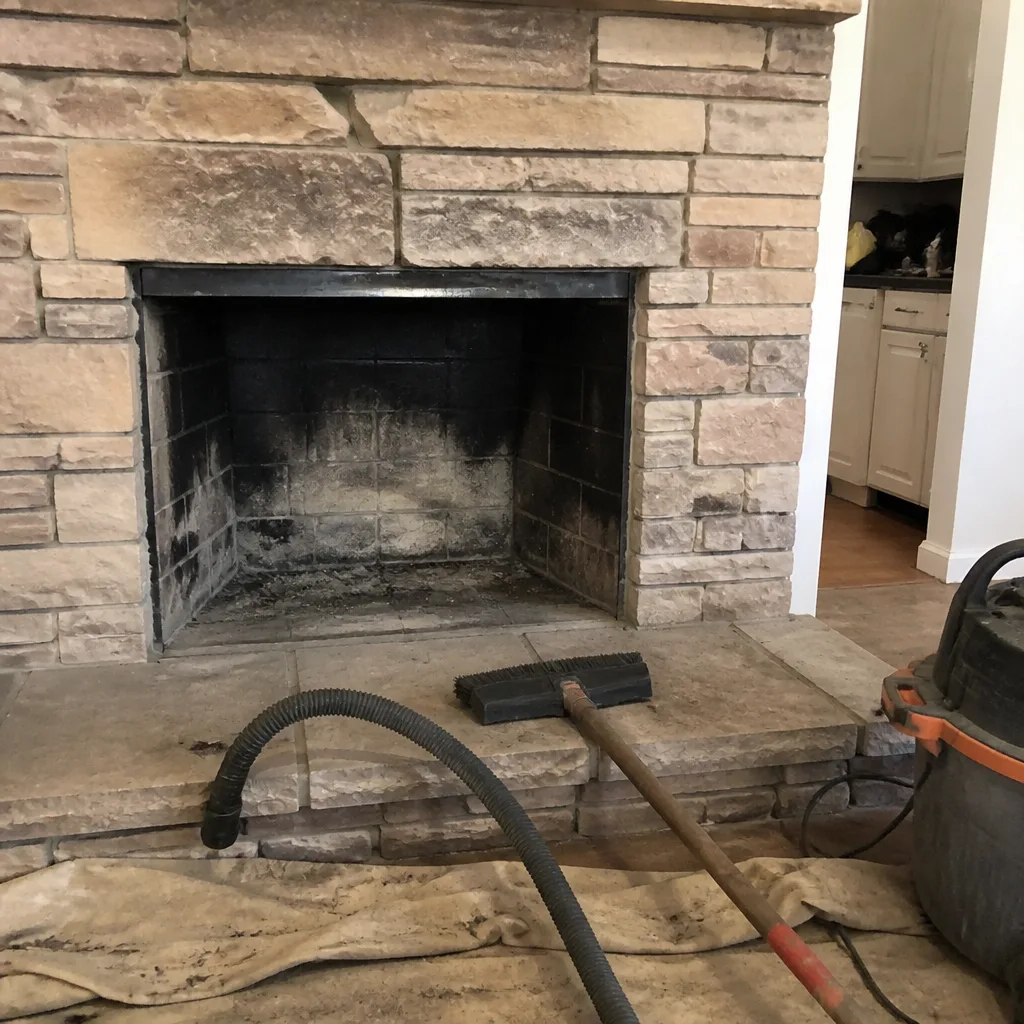 Before
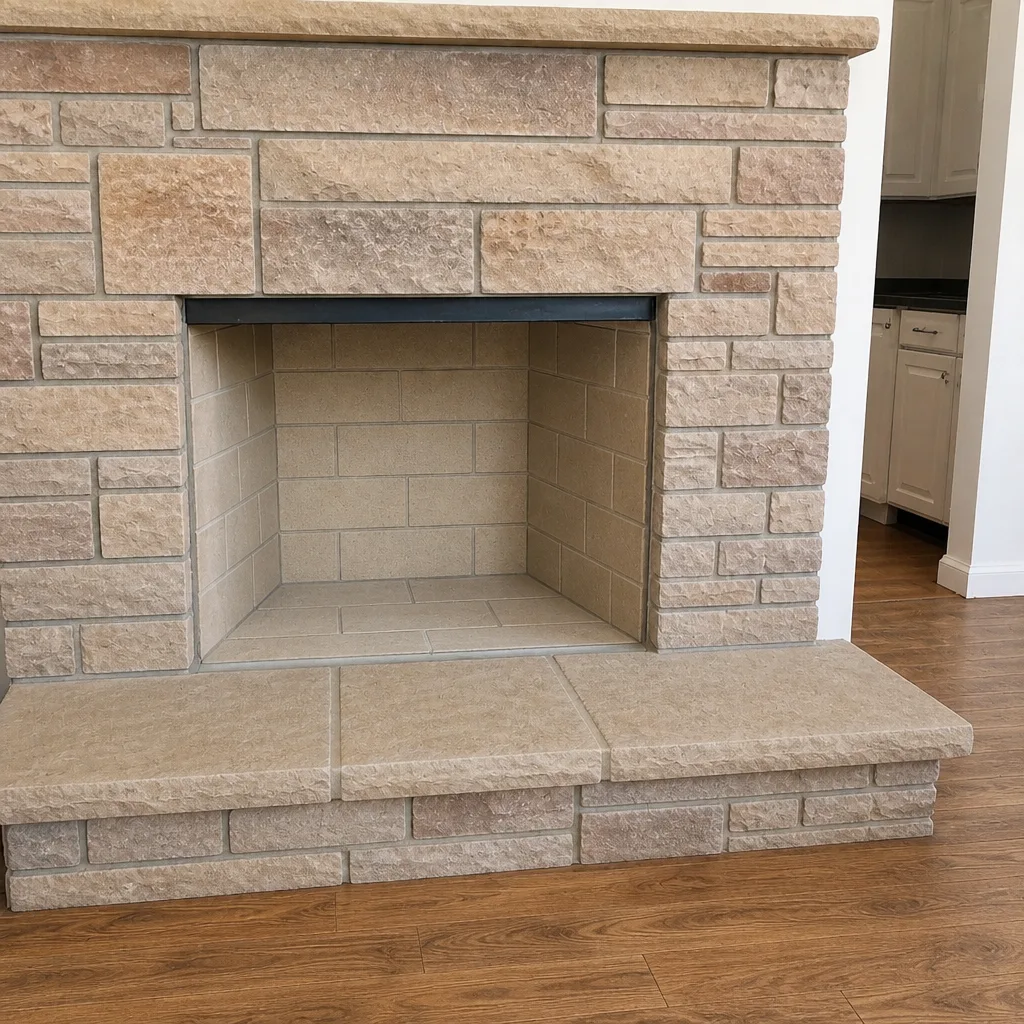 After
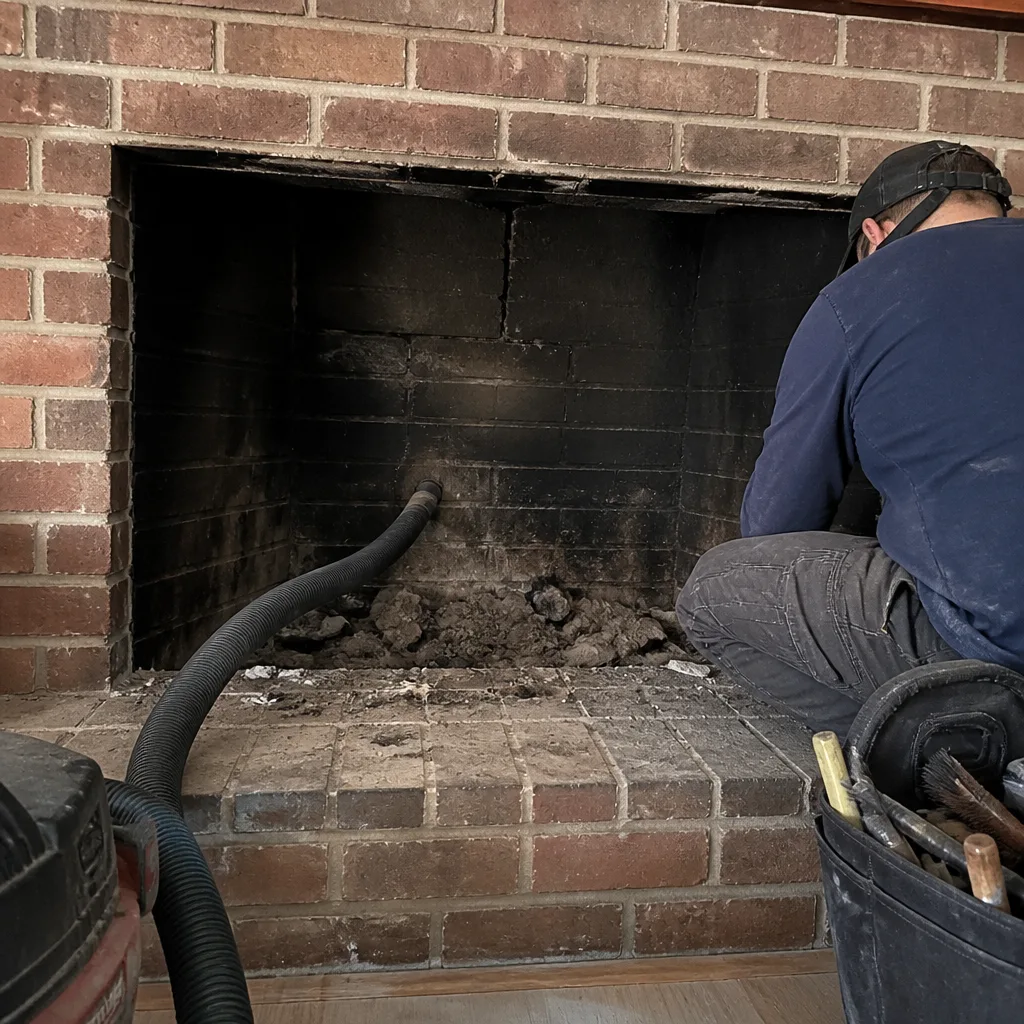 Before
 After
 Before
 After