
Last updated November 15, 2026
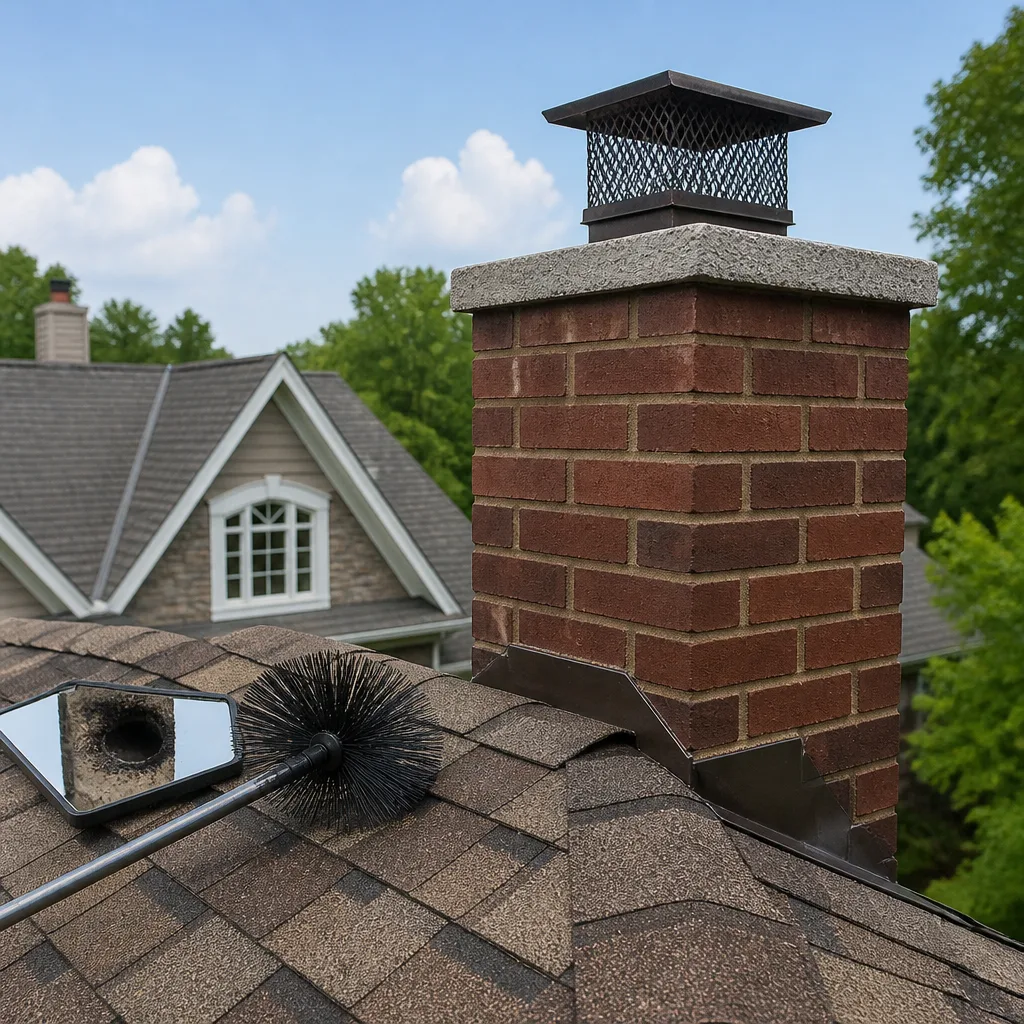 Sweep & inspection
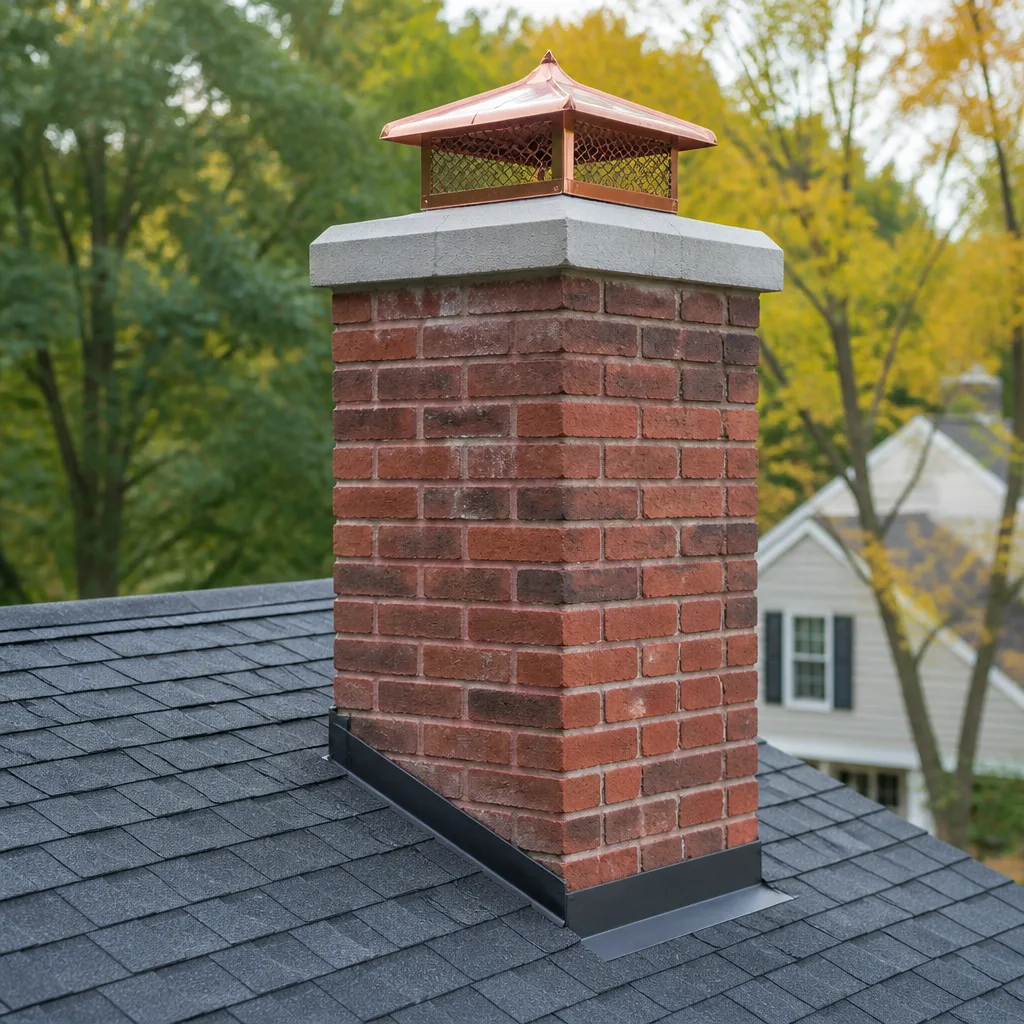 Caps & crowns
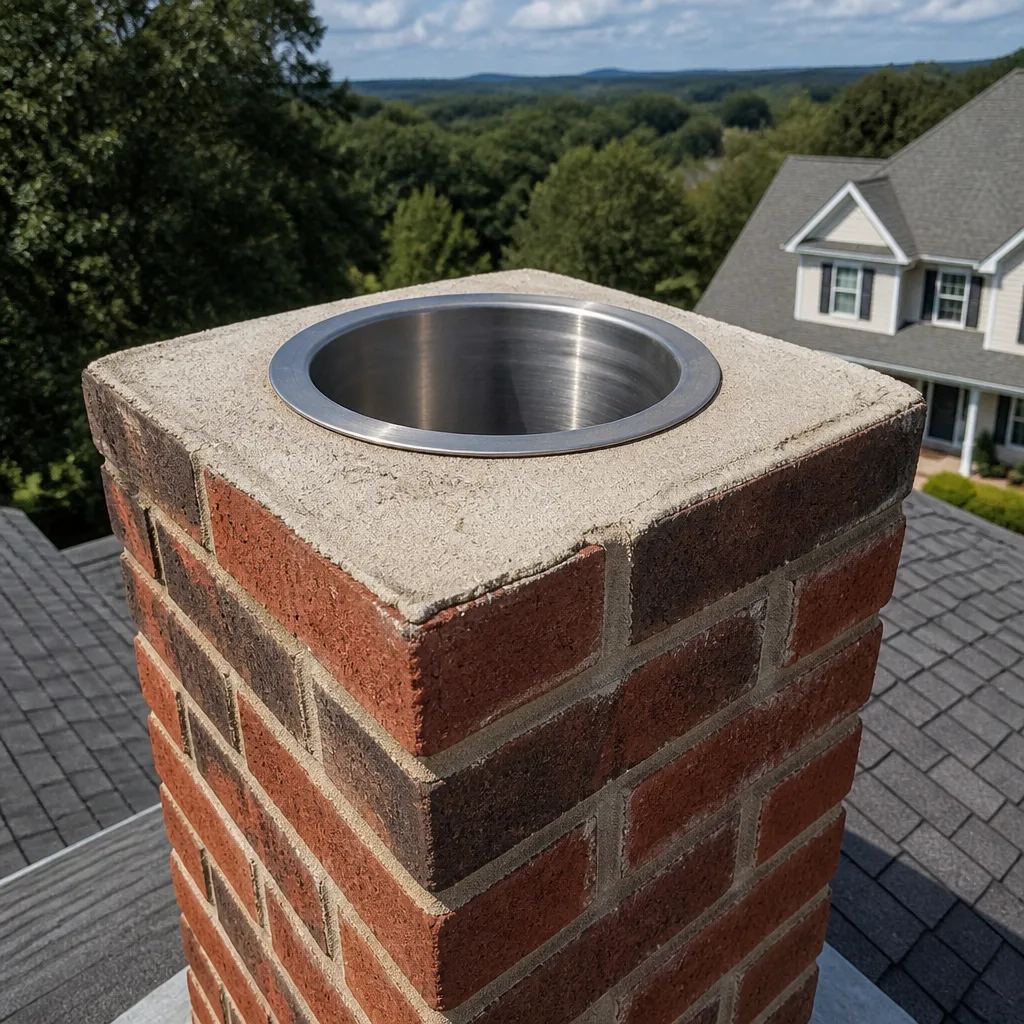 Flue relining
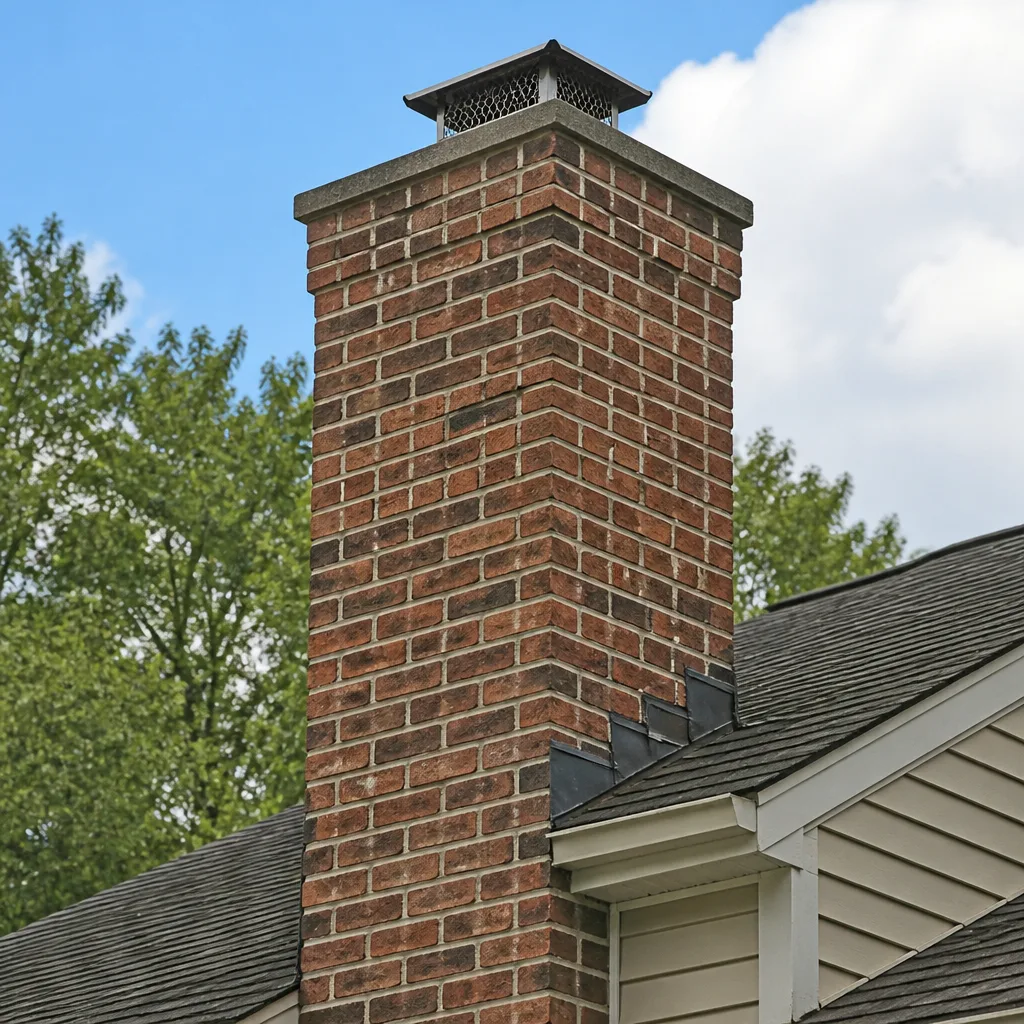 Masonry repair
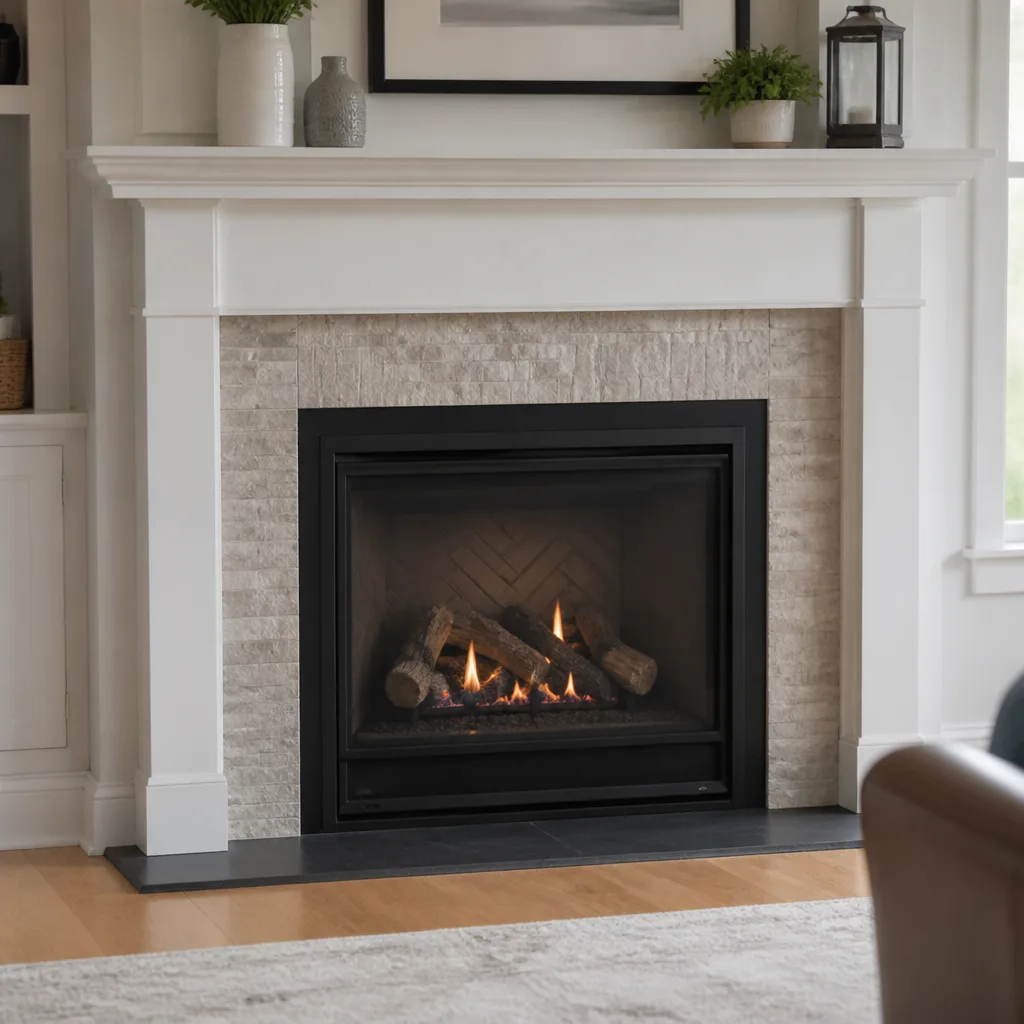 Gas fireplace service
Level 1 sweep and inspection to the NFPA 211 annual standard - flue, crown, cap, and flashing checked and photographed
Chimney sweep logs do not sweep chimneys. They loosen some creosote - which then falls where a brush and vacuum still have to collect it.
The Complete Guide to Chimney Cleaning in Peoria
Most Peoria homeowners light their fireplace maybe 20 to 40 nights a year. The season is short, the evenings are mild, and burning feels like an occasional pleasure rather than a daily necessity. Here’s the counterintuitive part: a chimney used lightly is often dirtier, in the ways that matter, than one burning every weekend through a cold winter. Short, infrequent burns never let the flue get hot enough to burn off the sticky early-stage deposits, so they accumulate fire after fire. This guide explains why that happens in Peoria specifically, what a real cleaning involves, and how sweeping, inspection, and repair fit together as one system.
Quick Answer
Chimney cleaning in Peoria means removing soot, creosote, and the desert debris that builds up during long dormant months, then inspecting the flue for cracks and liner damage in the same visit. How often you need it depends less on how many fires you burn and more on how you burn them: light, smoldering fires in a mild climate leave denser deposits than regular hot burns. A professional sweep with a camera inspection tells you exactly where your chimney stands, and the written report sets the price for anything that needs repair.
Styles & brands we work with
- Sweep & inspection
- Caps & crowns
- Flue relining
- Masonry repair
- Gas fireplace service
Table of Contents
- Why Peoria Chimneys Get Dirty Differently
- Creosote: Stage 1 vs. Stage 2 and What Your Burn Habit Does
- The Debris We Find in Peoria Chimneys That Other Regions Don’t See
- Level 1 vs. Level 2 Inspections: What Each One Covers
- What Actually Happens During a Professional Sweep Visit
- Sweep, Inspect, Repair: Why It Works as One System
- How Often Should a Peoria Chimney Be Cleaned?
- What Chimney Cleaning Costs in Peoria
Why Peoria Chimneys Get Dirty Differently
Peoria sits in the Sonoran Desert, and that shapes chimney behavior in ways national chimney advice rarely accounts for. The burn window here is short. Fires happen on cool evenings in winter and occasionally in spring or fall, not continuously from October through March the way they do in colder parts of the country. Between those fires, chimneys sit dormant for months, and that dormancy has consequences.
Cold-climate chimneys burn hot and long, which actually helps them. A hot fire dries out the wood, heats the flue, and pushes most deposits up and out. Peoria chimneys burn short and cool, which does the opposite. Each fire lays down a layer of moisture-rich residue, and the long gaps between fires give that residue time to cure into a harder, stickier deposit the next fire can’t fully burn away. Ten short fires can leave more problematic buildup than thirty long ones.
The desert adds a second factor: dust. Fine particulate matter moves through the air constantly, especially during windy periods and spring gusts. When a chimney is dormant, it acts as a collection point. Dust settles on the smoke shelf, drifts down onto the damper, and coats the firebox. That layer doesn’t burn off. It mixes with creosote into a grit that’s harder on chimney brushes and harder on flue walls than creosote alone.
Peoria’s housing stock plays a role too. The region has a lot of newer construction with factory-built fireplaces and gas inserts alongside older masonry homes. Those two systems need different cleaning tools, different inspection methods, and different repair approaches. A sweep who handles both without switching technique is missing something.
This matters for scheduling. A homeowner in Peoria who burns 25 nights a year may need a sweep and inspection as often as someone in a colder climate burning every weekend, because the deposit pattern is different, not just smaller. Our team serves homeowners across Peoria and sees this pattern consistently. Light use does not mean clean.
Creosote: Stage 1 vs. Stage 2 and What Your Burn Habit Does
Creosote is the tar-like byproduct of incomplete combustion, and it’s the single biggest reason chimney cleaning matters. It comes in stages, and the stage determines how dangerous your chimney actually is and how hard it is to clean.
Stage 1 creosote is soot and light flaky deposit. A standard chimney brush removes it easily. It’s the normal result of regular burning with decent wood, and it’s not a fire hazard on its own unless it accumulates heavily.
Stage 2 creosote is denser, stickier, and harder. It looks like hardened tar or a glaze coating the flue walls. Brushing alone may not remove it; it often takes specialized rotary tools or chemical treatment to break it down. Stage 2 accumulates from cool, smoldering fires, from burning unseasoned wood, or from short burns that never get the flue hot enough. It is significantly more flammable than Stage 1.
A third stage exists, a glazed, glassy deposit so hard it fuses to the flue, but it’s less common and usually indicates a long history of bad burning. What matters for Peoria is that the local burn habit, short infrequent fires, is one of the main drivers of Stage 2.
The practical implication:
- Short burns create Stage 2. A fire that lights, warms the room for an hour, and dies produces more moisture and more unburned gas than a fire that burns hot and steady for three hours.
- Unseasoned wood accelerates it. Wood with high moisture content spends its heat boiling off water instead of burning cleanly. Dry, well-seasoned wood is the biggest single fix.
- Long dormant gaps let deposits cure. A chimney that sits cold for weeks lets Stage 1 deposits harden toward Stage 2, which is why Peoria’s seasonal pattern is a factor.
- Gas inserts behave differently. A gas insert produces almost no creosote but still needs inspection for venting issues and debris, and the venting itself can be blocked by nesting or dust.
The takeaway for a Peoria homeowner: don’t assume a light-use chimney is a clean chimney. The deposit pattern from short seasonal burning is exactly the kind that needs professional removal rather than a homeowner’s brush and a ladder.
The Debris We Find in Peoria Chimneys That Other Regions Don’t See
Ask a sweep from a cold-climate city what they pull out of a chimney and you’ll hear about creosote and the occasional squirrel. Ask in Peoria and the list is longer. Months of dormancy in a dry, dusty climate turn a chimney into a collection system.
Here’s what tends to accumulate:
- Desert dust and fine grit. Particulate settles on the smoke shelf and firebox floor. It builds up silently through the off-season and mixes with any creosote into a hard, abrasive layer.
- Bird and vermin nesting. An uncapped or damaged flue is a sheltered cavity. Birds, and occasionally rodents, use it through the dormant months. Nests block airflow, and a blocked flue pushes combustion gases back into the room instead of up and out.
- Leaves and windblown debris. The chimney cap protects the flue, but a missing or damaged cap lets leaves, twigs, and seed pods fall straight down onto the damper.
- Masonry stress from temperature swings. Peoria days can be warm while winter nights drop sharply. That swing works on masonry, mortar joints, and the crown. Small cracks let water in, and water freezing in a crack widens it over time. Even in a mild climate, the daily temperature range does slow structural damage.
- Cracked or offset flue tiles. Older masonry chimneys often have clay tile liners with gaps at the joints. Those gaps let heat and gases reach combustible framing, and they’re invisible from the firebox.
These are the reasons a cleaning that stops at “brushed the flue” is incomplete. The debris on top is obvious. The problems underneath are what an inspection is for. A sweep who doesn’t inspect is guessing, and so is a homeowner who skips it.
Level 1 vs. Level 2 Inspections: What Each One Covers
Not every inspection is the same, and knowing which level you’re getting matters more in Peoria than most homeowners realize. The industry standard defines three levels, and two of them apply to typical residential chimneys.
A Level 1 inspection is the baseline check that comes with a routine sweep. It covers the readily accessible parts of the system: the firebox, the damper, the smoke chamber, the flue from below, and what’s visible of the exterior. It’s done with a flashlight and, ideally, a camera. It answers whether the chimney is safe to keep using and whether anything obvious needs attention. If your chimney is intact, unchanged, and you’re burning the same appliance you always have, a Level 1 is usually sufficient.
A Level 2 inspection goes further. It includes everything in Level 1 plus a full video camera scan of the flue, the accessible parts of the attic and crawl spaces if applicable, and the exterior at the roofline. It’s what you need when something has changed: a new appliance, a new liner, a switch from wood to gas, a chimney fire, a structural event, or a sale or transfer of the home. It’s also what you need when a Level 1 turns up something unclear.
For a typical Peoria home, here’s the practical rule:
- Routine annual sweep and check: Level 1, unless the sweep sees something that warrants more.
- New home or recently purchased: Level 2, because you don’t know the chimney’s history.
- Switching fuels or installing an insert: Level 2, because the venting requirements change.
- After a chimney fire or a suspected one: Level 2, always.
- Smoke or odor problems you can’t explain: Level 2, to find the cause.
The value of a Level 2 is the camera. It shows you the inside of your flue as it actually is, not as it looks from the firebox. Cracks, gaps, offset tiles, and deteriorated liner material are all visible on camera and largely invisible without it. When we recommend repair, that footage is what the recommendation is based on, and you can see it for yourself.
What Actually Happens During a Professional Sweep Visit
Knowing what to expect makes the visit easier to evaluate. A professional sweep isn’t a mysterious process; it’s a sequence of concrete steps, and any reputable sweep should be able to explain each one.
- Setup and protection. Drop cloths go down around the hearth and work area. A high-powered vacuum with HEPA filtration runs throughout to keep dust contained. Some sweeps use a sealed containment system over the firebox opening to prevent any soot escaping into the room.
- Pre-sweep check. Before any cleaning, the sweep looks at the firebox, damper, and smoke chamber to see what they’re dealing with and to decide on tools. A gas insert gets shut off and disconnected per its own requirements.
- Brushing the flue. Flexible rods with rotating brush heads work down from the top or up from the bottom, depending on the chimney. The brush type depends on the flue material: poly brushes for clay tile and stainless, different heads for heavier deposits. Stage 2 creosote may need rotary or chemical treatment first.
- Cleaning the firebox and smoke shelf. The smoke shelf is the ledge where draft changes direction, and it collects dust and debris. It gets vacuumed and scraped.
- Camera inspection. A video camera goes down the flue, and screens or recordings show the sweep (and you, if you want to see) what’s inside. This is where cracks, gaps, and liner damage get found.
- Exterior check. The chimney cap, crown, flashing, and masonry are checked from the roof. A missing or damaged Gelco cap, a cracked crown, or failed flashing is a common find and an easy fix when caught early.
- Written report. You get a written account of what was found, what was cleaned, and what – if anything – needs repair. That report is the basis for any future estimate.
A typical sweep takes an hour or two depending on the chimney, the dirt, and whether repairs are needed. A gas insert takes less. A heavily soiled masonry chimney with Stage 2 deposits takes more, sometimes split across visits if the deposits need chemical treatment to soften first.
Our technicians have up to 10 years of experience, and we work with professional-grade materials you can look up by name – DuraFlex liner systems, HeatShield chimney resurfacing, Gelco caps, and others – so you know what’s going into your chimney rather than accepting anonymous parts.
Sweep, Inspect, Repair: Why It Works as One System
The biggest gap in chimney care isn’t the cleaning. It’s what happens after. Many companies clean chimneys but don’t repair them, or inspect without the ability to fix what they find. That creates a handoff: the sweep finds a cracked liner, writes it up, and you’re told to call someone else. The problem sits there while you find a second contractor, explain the situation again, and schedule another visit.
We treat sweeping, inspection, and repair as one integrated service, and the reason is practical: the person who finds a problem is the person best positioned to fix it correctly.
- Sweeping removes the deposits and reveals the structure underneath.
- Inspection documents what the structure actually looks like, on camera, in a written report.
- Repair addresses what the inspection found: a deteriorated flue gets a DuraFlex liner system; a cracked smoke chamber gets HeatShield resurfacing; a damaged cap gets replaced with a Gelco unit.
When those three happen under one contractor, nothing gets lost between visits. The camera footage that showed the problem is the same footage the repair is built around. The written estimate comes from the same inspection. And when the job is done, the same person who swept it can confirm the repair is right, because they saw it before.
This isn’t a sales structure; it’s a technical one. A chimney is a system: firebox, damper, smoke chamber, flue, cap, crown, and flashing all have to work together. Treating it as three separate transactions is how problems get missed. If you want to see how the full scope works, the main Chimney Sweep Peoria page lays out the service categories, and the chimney repair page covers structural work in more detail.
Brand specificity matters here too. When we recommend a repair, the materials are named: DuraFlex for liner systems, HeatShield for resurfacing, Gelco for caps, plus Olympia Chimney supply, Famco venting products, and Copperfield specialty parts where they fit. You can research any of them before you commit. That’s the point.
How Often Should a Peoria Chimney Be Cleaned?
There’s no single number that fits every Peoria home, but there’s a reliable way to think about it. The industry guideline is that a chimney should be inspected annually and cleaned when there’s roughly an eighth of an inch of deposit on the flue walls. For many Peoria homes, that means a sweep and inspection once a year in late fall, before the burn season starts. For some, it’s less often; for others, more.
Here’s what moves the number:
- How you burn. Hot, regular fires with dry wood produce less hazardous buildup than short smoldering ones. Counterintuitively, a heavy user can sometimes go longer between cleanings than a light one with poor burning habits.
- Wood quality. Seasoned wood with low moisture content is the single biggest lever. Green or wet wood lays down sticky deposits fast.
- Appliance type. A gas insert produces almost no creosote but still needs annual inspection for venting and debris. A wood stove or open fireplace needs more attention.
- Dormancy debris. A Peoria chimney that sits for eight months collects dust and nesting. Even without heavy creosote, the annual check clears it.
- Chimney condition. A chimney with known cracks or a deteriorated liner needs more frequent inspection, because problems progress.
The practical schedule for most Peoria homes: book the inspection and sweep before the first cool evenings arrive, once a year. If the inspection finds Stage 2 deposits, structural issues, or heavy debris, the schedule tightens. If everything checks out clean, you’ll know – and the report will say so. That’s worth more than guessing.
What Chimney Cleaning Costs in Peoria
Chimney cleaning is priced per job, based on the chimney’s condition and what the sweep finds. There’s no universal flat rate, and any company quoting a single number over the phone before seeing the chimney is guessing. What you can expect is a written estimate before any work is done, and the price you’re quoted is the price you pay.
Things that affect the estimate:
- Chimney type. A standard masonry fireplace is typically the simplest job. A factory-built unit, a gas insert, or a wood stove has different requirements.
- Level of inspection. A routine sweep with a Level 1 check is the baseline. A Level 2 with full camera scan and roof access takes more time and is priced accordingly.
- Deposit severity. Light soot cleans quickly. Heavy Stage 2 creosote may need rotary tools or chemical treatment, sometimes across more than one visit.
- Access. A steep roof, a tall chimney, or awkward attic access adds time.
- Repairs found. A cracked crown or a damaged cap is an add-on. Liner work is a separate scope.
The estimate is free, and nothing is recommended without camera evidence you can see. If the chimney only needs cleaning, that’s what the report will say. If it needs repair, the report will show why, and the estimate will reflect it. You’re never asked to approve work on faith.
For a comparison of the cleaning scope itself, the chimney sweep page covers what’s included. Call (866) 618-5984 for an exact quote – estimates are free.
Common Mistakes to Avoid
- Assuming light use means a clean chimney. In Peoria’s mild climate, 20 to 40 short burns a year can leave Stage 2 deposits that a heavy cold-climate user never builds up. Base the schedule on the inspection, not on how often the fireplace gets used.
- Burning unseasoned wood because it’s cheap or available. Wet wood spends its heat boiling off water and lays down sticky creosote in the process. Dry, seasoned wood costs more per cord and less per chimney problem.
- Skipping the cap. An uncapped flue is an open invitation to birds, rodents, and windblown debris. A properly fitted Gelco cap is one of the cheapest pieces of prevention available.
- Cleaning without inspecting. A brush removes deposits; it doesn’t reveal a cracked flue tile or a deteriorated liner. Every sweep should include a camera check and a written report.
- Letting a found problem wait indefinitely. A small crack in a flue or crown widens with every temperature swing. What could have been a HeatShield resurfacing becomes a full liner replacement when it’s neglected.
- Hiring a generalist for chimney work. A handyman may own a brush; that doesn’t make them equipped to assess a liner or diagnose a venting problem. Chimney work is its own trade for a reason.
- Ignoring the exterior. The crown, flashing, and masonry are part of the system. A sweep who never leaves the firebox is missing half the inspection.
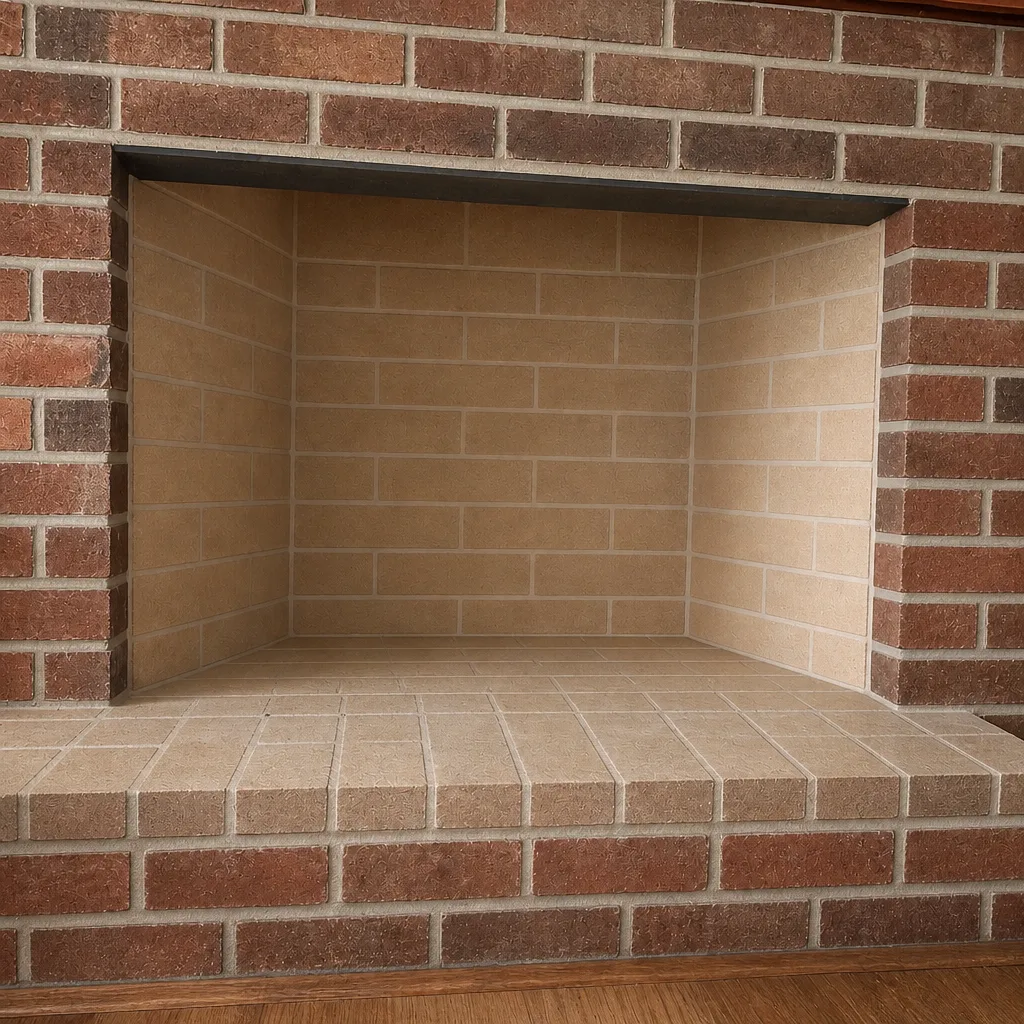
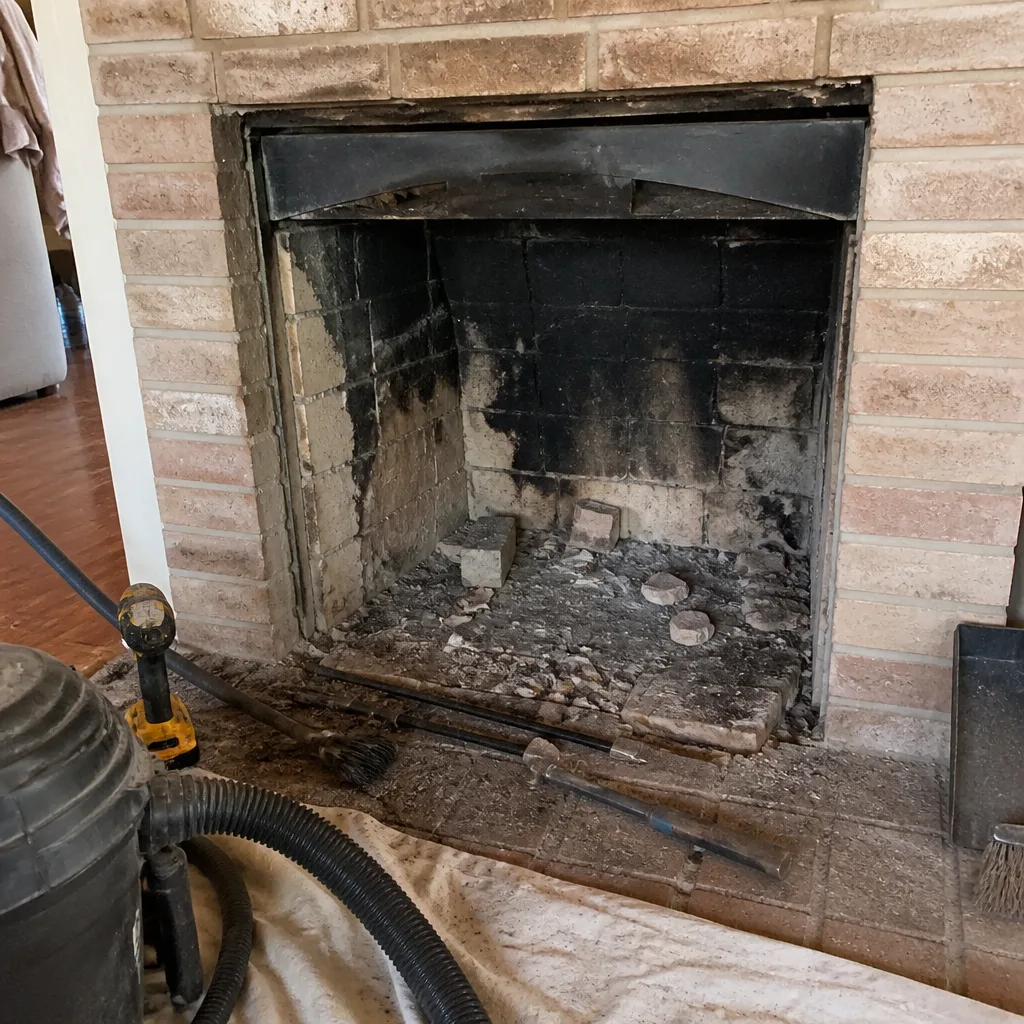
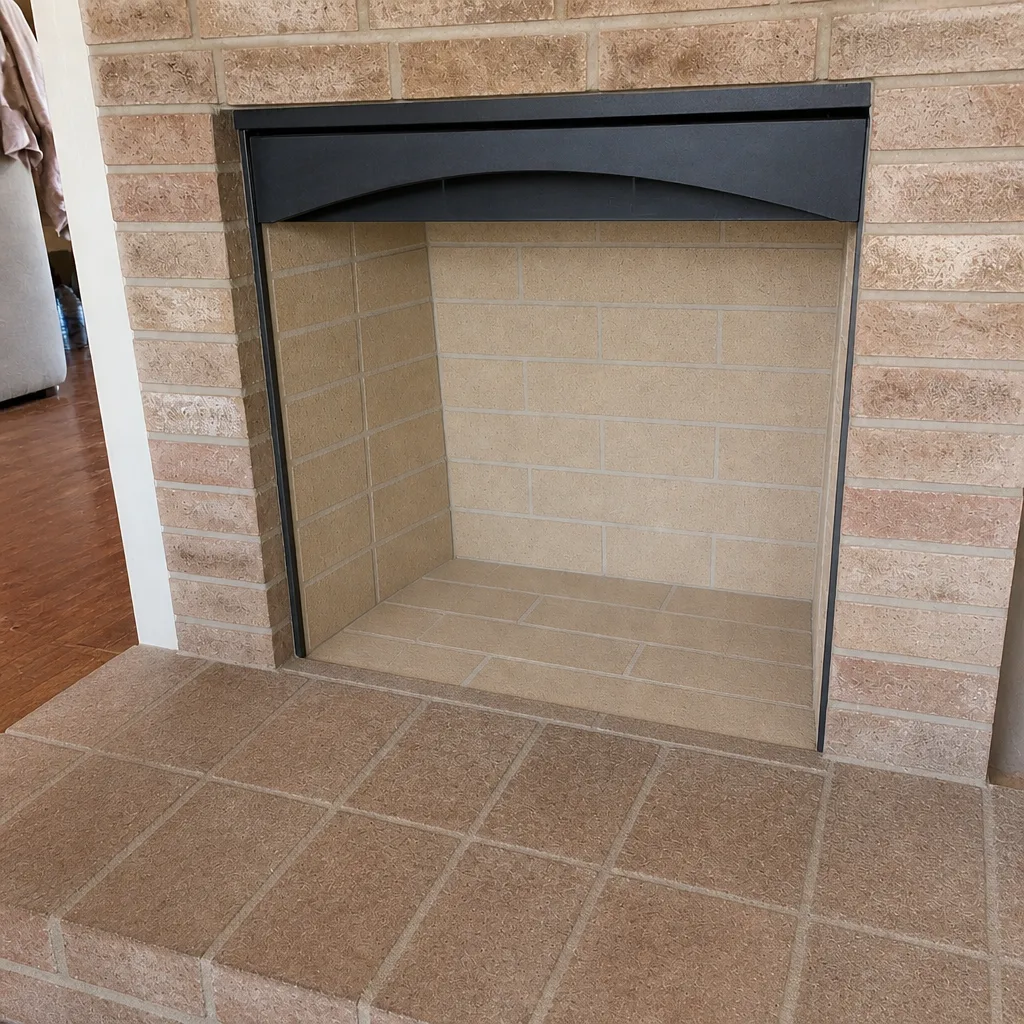
See the difference
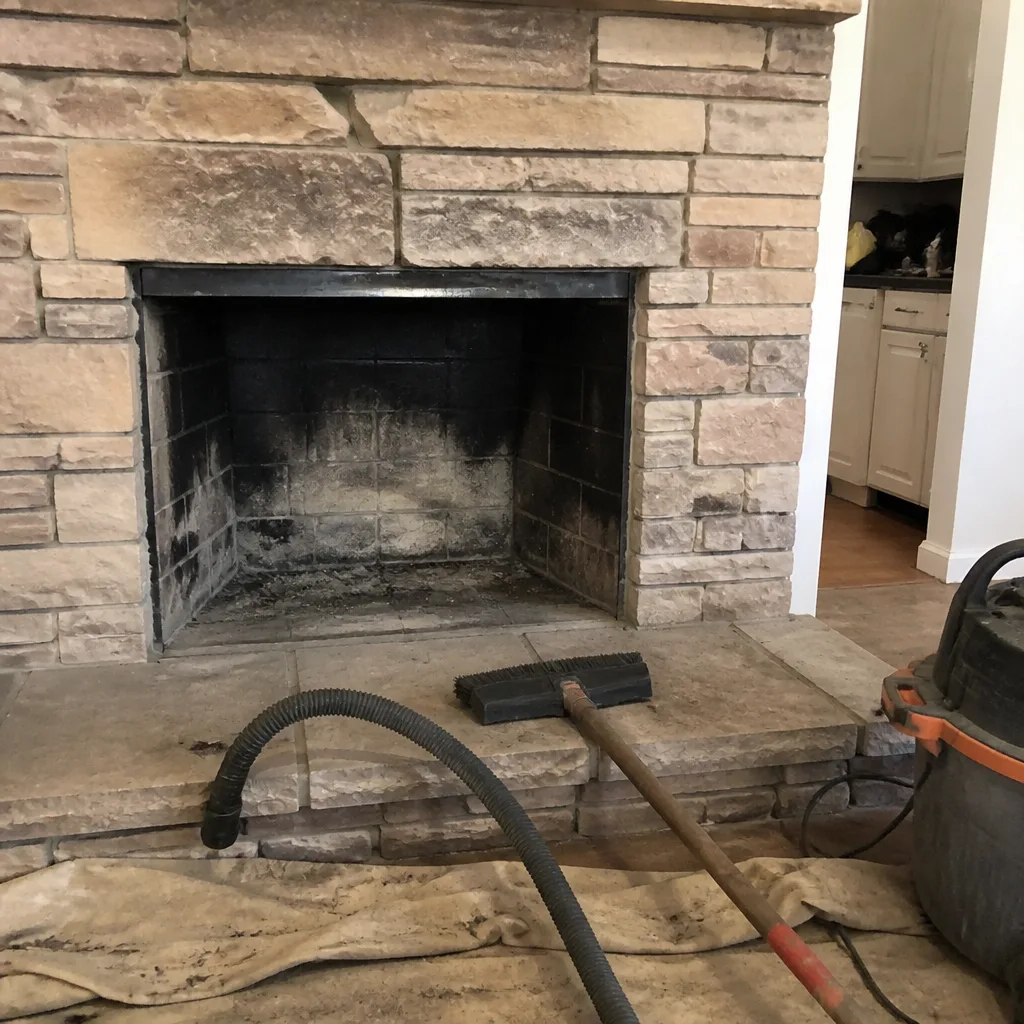 Before
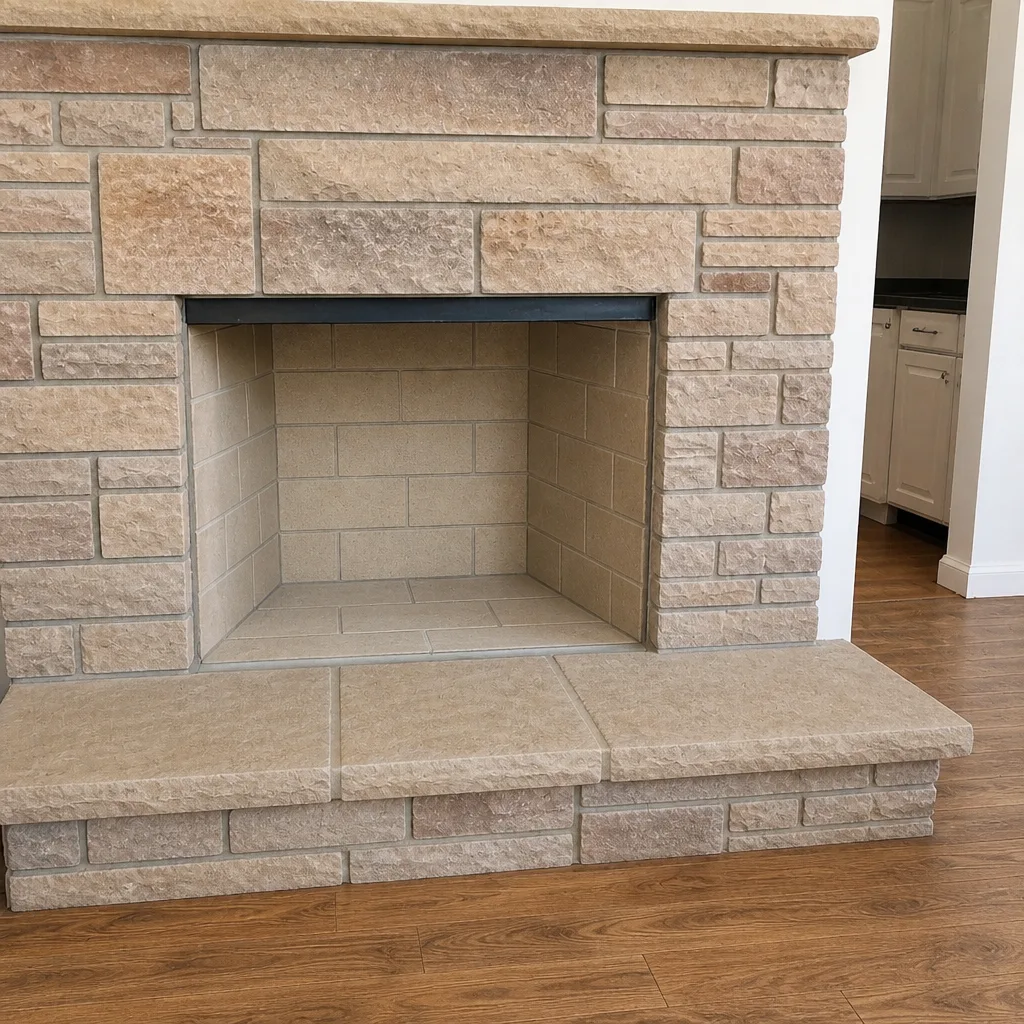 After
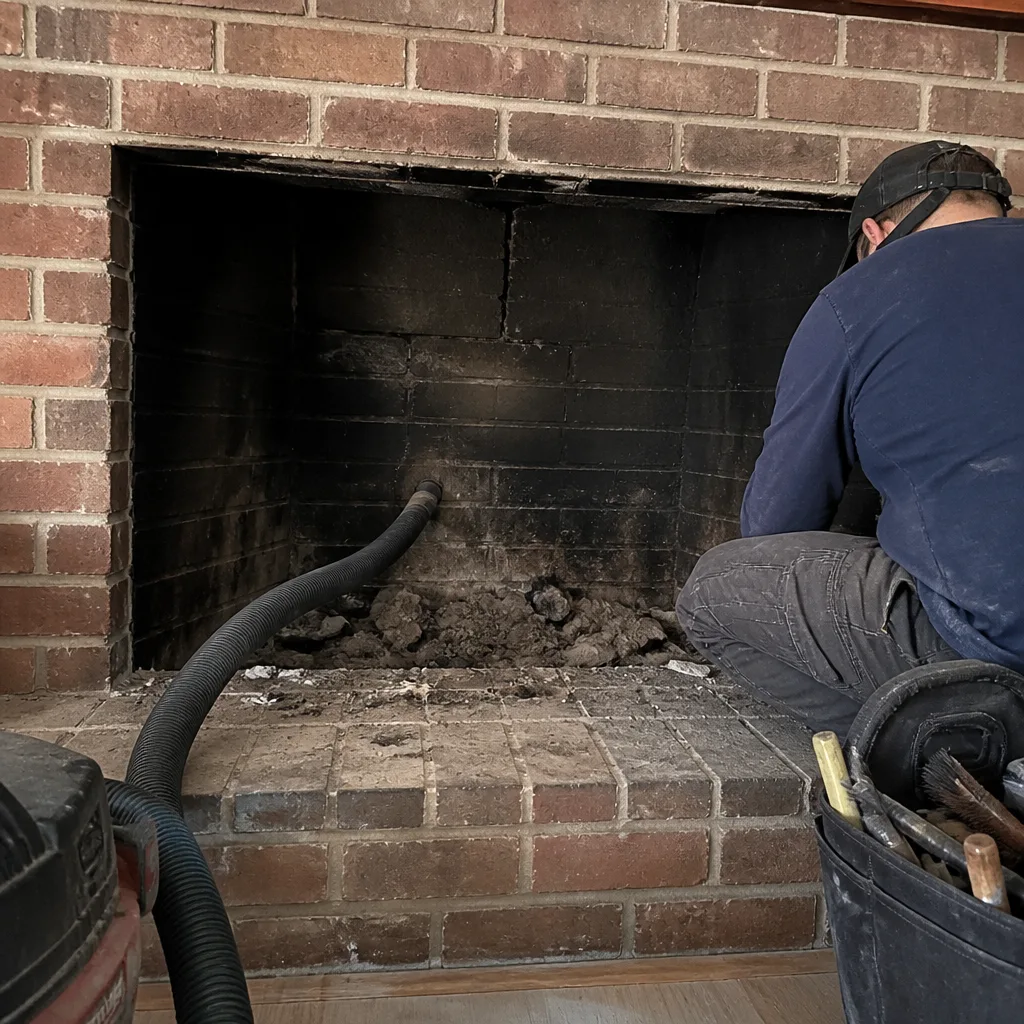 Before
 After
 Before
 After
When to Call a Professional
Some jobs are homeowner-maintainable; chimney work mostly isn’t. Call a professional when you smell smoke or odor in the room with the damper open, when you see soot falling into the firebox, when the fire struggles to draw or smoke backs up, or when you notice dark staining on the chimney exterior or nearby walls. Call after any chimney fire, even a small one, because the damage is usually inside the flue where you can’t see it. Call before the first cool evenings if it’s been more than a year since the last inspection, and call before burning if you’ve just moved into a Peoria home and don’t know the chimney’s history. Chimney Sweep Peoria offers free estimates in Peoria – call (866) 618-5984. We answer 24/7. Fast dispatch from 7am to 7pm, Sunday through Friday.
Frequently Asked Questions
Chimney cleaning in Peoria is priced per job by written estimate, based on chimney type, deposit severity, and whether a Level 1 or Level 2 inspection is needed. There’s no universal flat rate because a gas insert and a heavily soiled masonry fireplace are very different jobs. The estimate is free, and you’ll see the price before any work begins. Call (866) 618-5984 for an exact quote – estimates are free.
Yes, and in Peoria’s mild climate the case is actually stronger, not weaker. Short, infrequent burns produce denser, stickier creosote than regular hot fires, and the long dormant months let desert dust and nesting debris accumulate. A light-use chimney can be more hazardous than a heavily used one. The annual inspection is how you find out where yours stands.
Most Peoria homes should have the chimney inspected once a year, typically in late fall before the burn season, and swept whenever the inspection shows meaningful deposit buildup. The industry guideline is roughly an eighth of an inch of deposit on the flue walls. Homes with heavy use, poor wood, or known structural issues may need more frequent service.
A Level 1 inspection covers the readily accessible parts of the chimney during a routine sweep. A Level 2 adds a full video camera scan of the flue, access to attic and crawl spaces where applicable, and the exterior at the roofline. You need a Level 2 after a chimney fire, when buying a home, when changing appliances or fuels, or whenever a Level 1 finds something unclear.
With a full-service company, the same contractor who sweeps and inspects can also repair what they find. That matters because the person who documented the cracked liner on camera is the person best positioned to replace it correctly. A sweep-only company has to hand the problem off, which creates delays and gaps. We handle sweep, inspection, and repair under one contractor.
Creosote continues to accumulate, and the longer it sits, the harder and more flammable it becomes. Deposits that would come off with a brush at Stage 1 can require rotary or chemical treatment at Stage 2. Meanwhile, cracks and liner damage go undetected, and a blocked or damaged flue can push carbon monoxide back into the living space. None of this announces itself; that’s why the inspection matters.
The Bottom Line
Chimney cleaning in Peoria isn’t a generic annual chore. The short burn season and long dormant months create a deposit pattern that’s different from colder climates: lighter use, denser creosote, and a buildup of desert dust and nesting debris that a quick brush won’t fully address. The right approach is a sweep, a camera inspection, and repair capability under one contractor, so nothing gets found and left unfixed. Get the inspection done before the season starts, see the camera footage for yourself, and let the written report guide what actually needs doing. Call (866) 618-5984. We answer 24/7. Fast dispatch from 7am to 7pm, Sunday through Friday.
Written by the team at Chimney Sweep Peoria.